THE ADVENTURE COLLECTIVE® · Independent discovery and booking for outdoor travel

Swap Marrakech’s bustle for the sharp ridges and terraced villages of the High Atlas on a private day trip to the Three Valleys. Walk short mountain trails, meet Berber hosts and enjoy a traditional lunch in Imlil or Aremd.
Swap Marrakech’s bustle for the sharp ridges and terraced villages of the High Atlas on a private day trip to the Three Valleys. Walk short mountain trails, meet Berber hosts and enjoy a traditional lunch in Imlil or Aremd.
You climb out of Marrakech’s ochre grid into a changing light: olive groves give way to terraced fields, then rock-scraped ridges that push the sky higher. The road twists up toward the High Atlas, and by midmorning you’re standing above three narrow valleys where streams dare you to follow them downhill to stone villages.
Verified experiences and guided adventures in the surrounding area.
Operated by Tours Excursions Journeys · Imlil, Marrakesh-Safi
You climb out of Marrakech’s ochre grid into a changing light: olive groves give way to terraced fields, then rock-scraped ridges that push the sky higher. The road twists up toward the High Atlas, and by midmorning you’re standing above three narrow valleys where streams dare you to follow them downhill to stone villages.
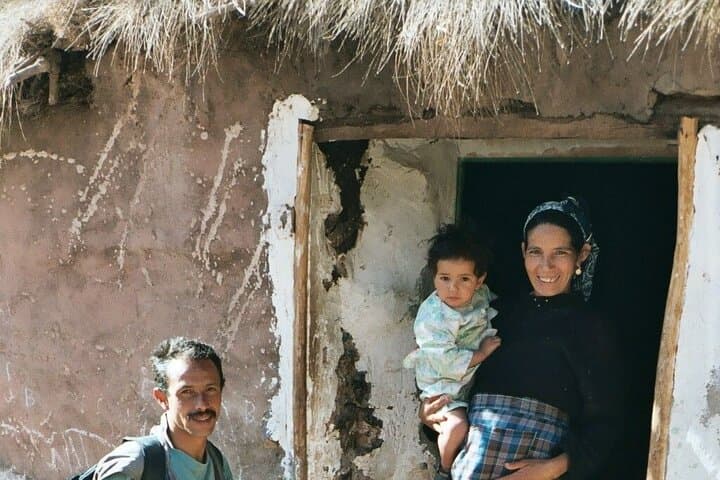
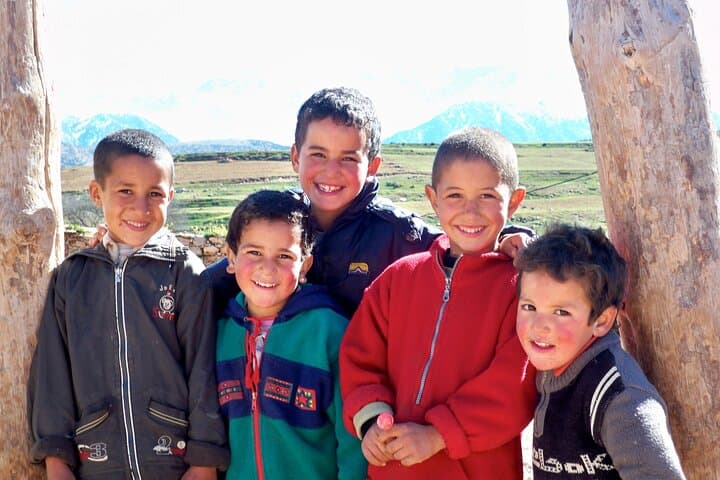
Geology here is blunt and readable — compacted sediment and folded limestone raised when the African and Eurasian plates collided. The villages of Imlil and Aremd illustrate a living human geography: terraced farms, flat-roofed houses and mule tracks that predate roads. The Berber (Amazigh) communities maintain a strong oral history and welcome visitors into homes for tagine and mint tea, sharing local crafts and mountain lore.
Expect short, uneven walks on cobbled lanes and dry mule paths, with panoramic viewpoints that reward a modest climb. The guide will point out irrigation channels (khettaras), seasonal waterfalls and traditional stone ovens where bread is still baked.
Practical notes: the full-day private tour runs about 6–8 hours with hotel pickup and return to Marrakech; bring layered clothing (mountain mornings can be cool), sturdy shoes, sun protection and at least 1–2 liters of water. Photography is easy but ask before entering private homes. Lunch in a Berber house is homemade and filling — dietary requests are usually accommodated if arranged in advance. Travel at a gentle pace, respect cultural norms (modest dress) and use local guides and cooperatives to direct your tourist dollars into the community.
easy.
6–8 hours.
Suitable for travelers comfortable with several short walks on uneven ground; no sustained climbing required.
No special fitness is required; the tour features short, optional walks and mostly vehicle transfers, suitable for most travelers.
Yes, a traditional lunch at a Berber house is included—contact the operator ahead of time to request vegetarian or allergy accommodations.
Villages like Imlil sit around 1,700–1,800 m (5,600–6,000 ft); most visitors experience no altitude illness but take it easy if sensitive to elevation.
Cell coverage is intermittent in the valleys; expect limited service and rely on your guide for coordination.
The High Atlas is home to Amazigh (Berber) communities whose mountain trade routes and irrigation systems date back centuries, shaping terraces and village patterns still used today.
Water is a precious local resource; stick to marked trails, avoid single-use plastics, and support local guides and cooperatives to keep tourism benefits in the community.
Tours Excursions Journeys operates guided outdoor trips and adventures with an emphasis on safety, stewardship, and memorable experiences.
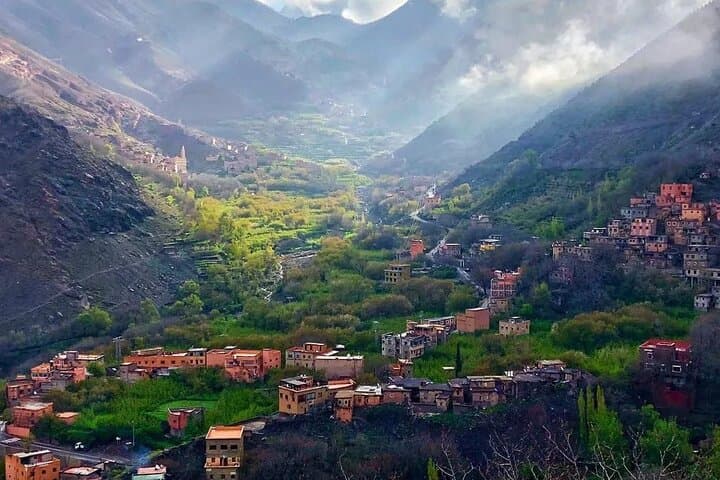
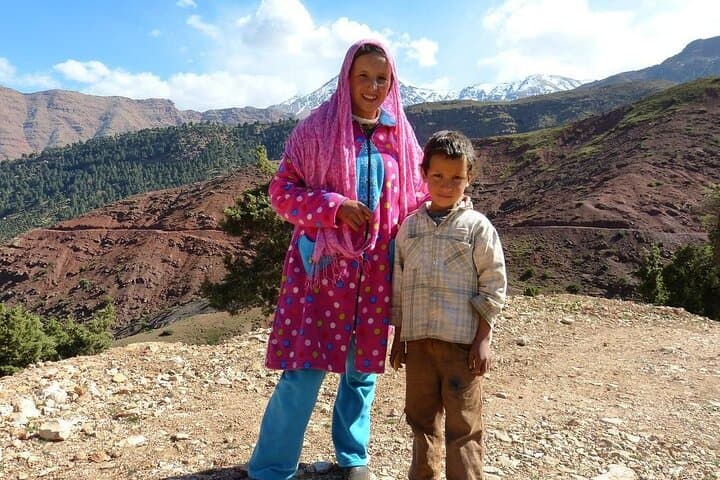
You climb out of Marrakech’s ochre grid into a changing light: olive groves give way to terraced fields, then rock-scraped ridges that push the sky higher. The road twists up toward the High Atlas, and by midmorning you’re standing above three narrow valleys where streams dare you to follow them downhill to stone villages.
You climb out of Marrakech’s ochre grid into a changing light: olive groves give way to terraced fields, then rock-scraped ridges that push the sky higher. The road twists up toward the High Atlas, and by midmorning you’re standing above three narrow valleys where streams dare you to follow them downhill to stone villages.
Geology here is blunt and readable — compacted sediment and folded limestone raised when the African and Eurasian plates collided. The villages of Imlil and Aremd illustrate a living human geography: terraced farms, flat-roofed houses and mule tracks that predate roads. The Berber (Amazigh) communities maintain a strong oral history and welcome visitors into homes for tagine and mint tea, sharing local crafts and mountain lore.
Expect short, uneven walks on cobbled lanes and dry mule paths, with panoramic viewpoints that reward a modest climb. The guide will point out irrigation channels (khettaras), seasonal waterfalls and traditional stone ovens where bread is still baked.
Practical notes: the full-day private tour runs about 6–8 hours with hotel pickup and return to Marrakech; bring layered clothing (mountain mornings can be cool), sturdy shoes, sun protection and at least 1–2 liters of water. Photography is easy but ask before entering private homes. Lunch in a Berber house is homemade and filling — dietary requests are usually accommodated if arranged in advance. Travel at a gentle pace, respect cultural norms (modest dress) and use local guides and cooperatives to direct your tourist dollars into the community.