THE ADVENTURE COLLECTIVE® · Independent discovery and booking for outdoor travel

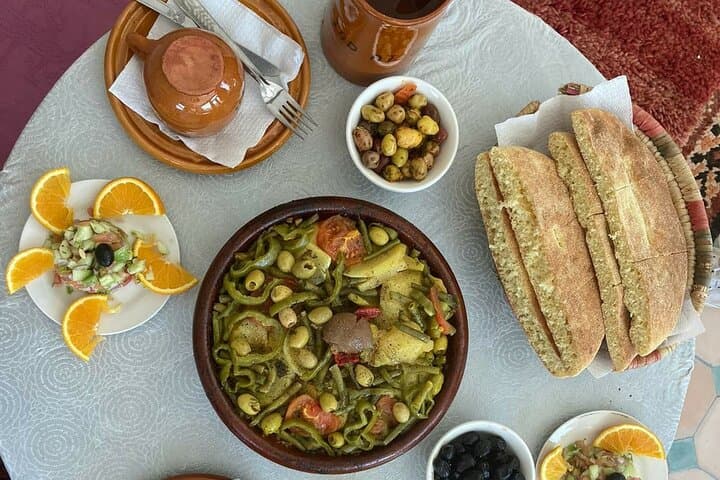
Spend a full day from Marrakesh exploring Tahanaoute, Imlil Valley and Berber villages. Mix a short guided hike, argan cooperative visit, and a traditional three-course lunch in a Berber home.
Spend a full day from Marrakesh exploring Tahanaoute, Imlil Valley and Berber villages. Mix a short guided hike, argan cooperative visit, and a traditional three-course lunch in a Berber home.
You leave Marrakesh before the heat builds, the city receding as the road rises into the High Atlas. Olive terraces tilt toward the sun, and argan trees pepper the slope — the air smells of dust, tea, and wood smoke. At a women's cooperative in Tahanaoute valley, you taste bread dipped in argan oil and learn the slow, communal rhythm behind a local staple.
Verified experiences and guided adventures in the surrounding area.
Operated by Amazouz Morocco Tours · Marrakesh, Marrakesh-Safi
You leave Marrakesh before the heat builds, the city receding as the road rises into the High Atlas. Olive terraces tilt toward the sun, and argan trees pepper the slope — the air smells of dust, tea, and wood smoke. At a women's cooperative in Tahanaoute valley, you taste bread dipped in argan oil and learn the slow, communal rhythm behind a local staple.
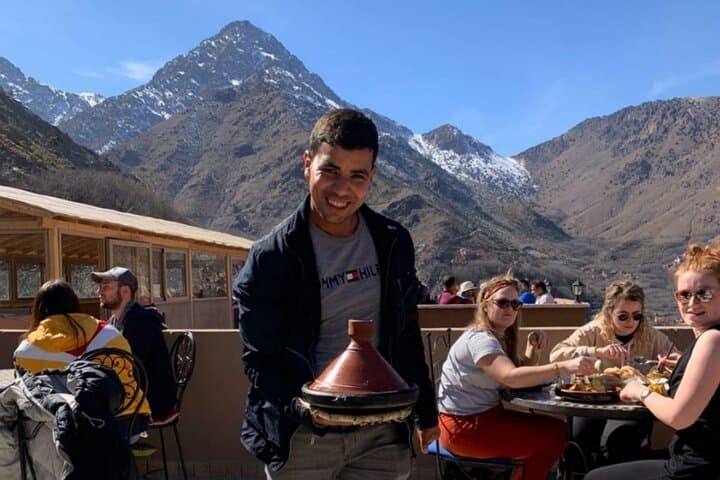
Geology here is honest and exposed: folded sedimentary rock and volcanic intrusions rise into serrated ridgelines, with Jebel Toubkal casting a permanent silhouette. Berber villages dot the valleys — stone homes built to weather cold mountain winters — and markets in Asni hum with trade that has moved the same way for generations.
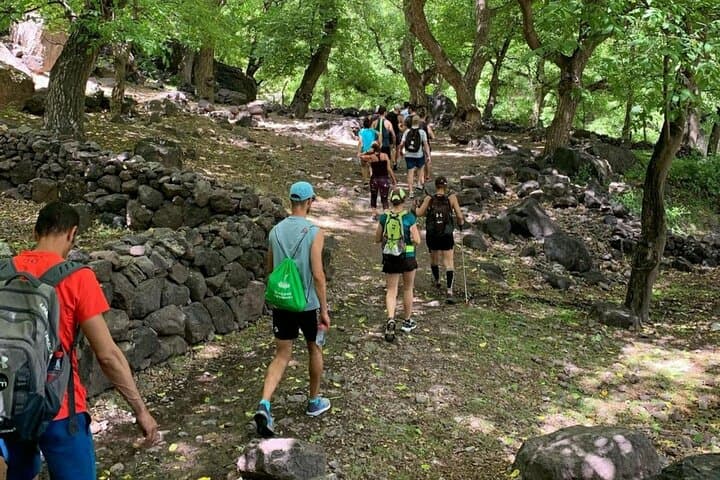
You hike an hour through Imlil Valley along mule tracks and shaded gullies, passing small waterfalls and terraced plots. Rivers dare you to step closer; their currents push the scent of wet stone uphill. Photography opportunities are constant: stacked fields, goats on narrow tracks, and sweeping views of Toubkal.
Practical guidance: this is a full-day, guided excursion (8–9 hours) with transfers from Marrakesh. Wear sturdy shoes with grip for uneven, often muddy trails, and layer for temperature swings between valley floor and afternoon shade. Bring 1–2 liters of water, sun protection, and a small tip for your local guide and the Berber household lunch. Expect English, French, and Spanish guides; vegetarian plates are typically available. If you want quieter trails, ask for a start earlier in the morning. This trip mixes cultural exchange, light hiking, and reliable logistics — a compact way to meet the Atlas on a day out of Marrakesh.
moderate.
8–9 hours.
Suitable for people with basic fitness who can walk uneven terrain for an hour and handle a full day with transfers.
The guided hike is a short, moderate walk on well-worn trails; it requires basic mobility but not mountaineering skills.
Yes—traditional three-course Berber meals typically offer vegetarian options; notify the operator in advance for allergies or strict diets.
Most walking follows village paths and mule tracks; there is limited off-trail scrambling and occasional uneven terrain.
Yes—the tour usually includes pickup and drop-off from central Marrakesh meeting points or hotels; confirm your pickup point when booking.
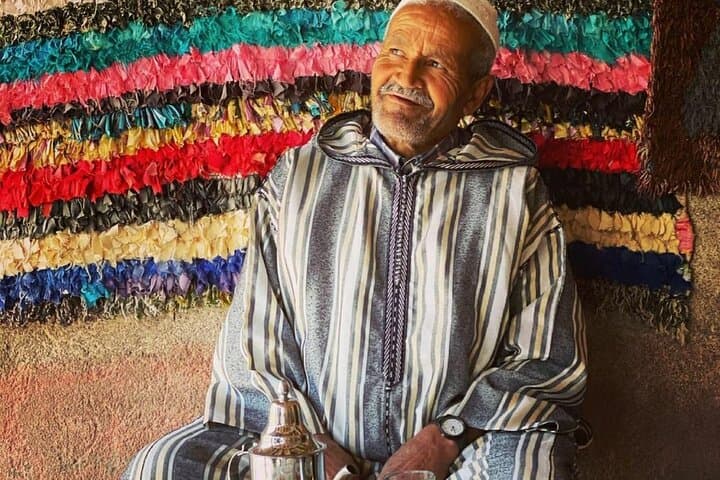
The High Atlas has been inhabited by Berber (Amazigh) communities for millennia; villages and markets like Asni retain trade patterns and crafts passed down generations.
Water is scarce in parts of the Atlas—minimize plastic use, respect grazing areas, and follow guide instructions to protect fragile terraced agriculture.
Amazouz Morocco Tours operates guided outdoor trips and adventures with an emphasis on safety, stewardship, and memorable experiences.
You leave Marrakesh before the heat builds, the city receding as the road rises into the High Atlas. Olive terraces tilt toward the sun, and argan trees pepper the slope — the air smells of dust, tea, and wood smoke. At a women's cooperative in Tahanaoute valley, you taste bread dipped in argan oil and learn the slow, communal rhythm behind a local staple.
You leave Marrakesh before the heat builds, the city receding as the road rises into the High Atlas. Olive terraces tilt toward the sun, and argan trees pepper the slope — the air smells of dust, tea, and wood smoke. At a women's cooperative in Tahanaoute valley, you taste bread dipped in argan oil and learn the slow, communal rhythm behind a local staple.
Geology here is honest and exposed: folded sedimentary rock and volcanic intrusions rise into serrated ridgelines, with Jebel Toubkal casting a permanent silhouette. Berber villages dot the valleys — stone homes built to weather cold mountain winters — and markets in Asni hum with trade that has moved the same way for generations.
You hike an hour through Imlil Valley along mule tracks and shaded gullies, passing small waterfalls and terraced plots. Rivers dare you to step closer; their currents push the scent of wet stone uphill. Photography opportunities are constant: stacked fields, goats on narrow tracks, and sweeping views of Toubkal.
Practical guidance: this is a full-day, guided excursion (8–9 hours) with transfers from Marrakesh. Wear sturdy shoes with grip for uneven, often muddy trails, and layer for temperature swings between valley floor and afternoon shade. Bring 1–2 liters of water, sun protection, and a small tip for your local guide and the Berber household lunch. Expect English, French, and Spanish guides; vegetarian plates are typically available. If you want quieter trails, ask for a start earlier in the morning. This trip mixes cultural exchange, light hiking, and reliable logistics — a compact way to meet the Atlas on a day out of Marrakesh.