THE ADVENTURE COLLECTIVE® · Independent discovery and booking for outdoor travel

Escape Marrakech for a full-day journey into the High Atlas: guided walks past waterfalls and Berber villages, a traditional mountain lunch in Imlil, and an optional camel ride on the Agafay plain. Practical route details and what to bring for a seamless day trip.
Escape Marrakech for a full-day journey into the High Atlas: guided walks past waterfalls and Berber villages, a traditional mountain lunch in Imlil, and an optional camel ride on the Agafay plain. Practical route details and what to bring for a seamless day trip.
You leave Marrakech behind as the city heat folds away and the road climbs toward the High Atlas; terraces and olive groves slide past the minibus window while the Atlas foothills sharpen into ridges.
Verified experiences and guided adventures in the surrounding area.
Operated by Atlas Mountains Day Trip · Imlil, Marrakech-Safi
You leave Marrakech behind as the city heat folds away and the road climbs toward the High Atlas; terraces and olive groves slide past the minibus window while the Atlas foothills sharpen into ridges.
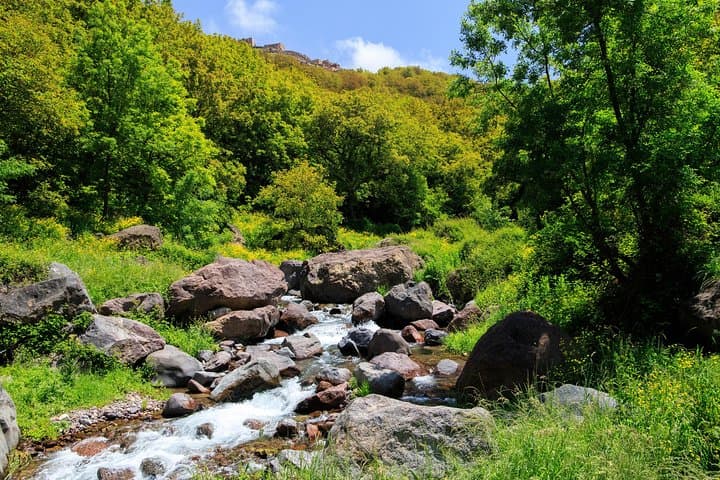
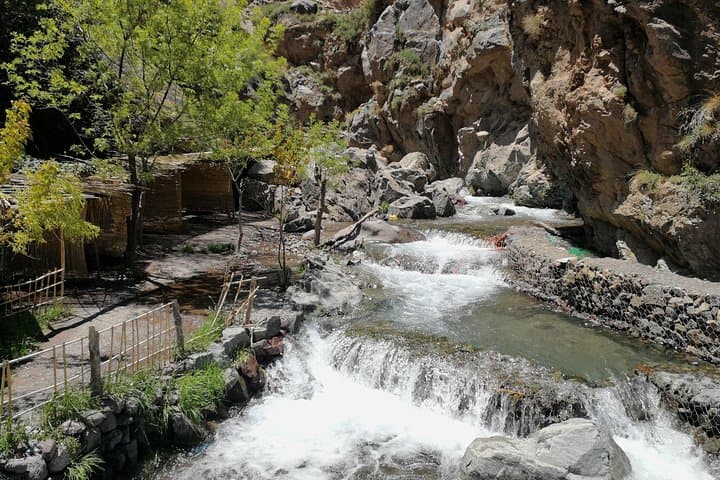
The route passes through Toubkal National Park to Imlil, a small mountain village that acts as a gateway to glacier-sculpted valleys and seasonal waterfalls. The geology here is mostly schist and granite; peaks carved by ancient rivers force water into narrow channels that roar after winter rains and thin to clear trickles by late summer. Along the trail you’ll pass Berber hamlets where flat-roof homes and terraced fields speak to centuries of mountain agriculture — local guides often explain irrigation practices and share tea, a daily ritual and a social currency.
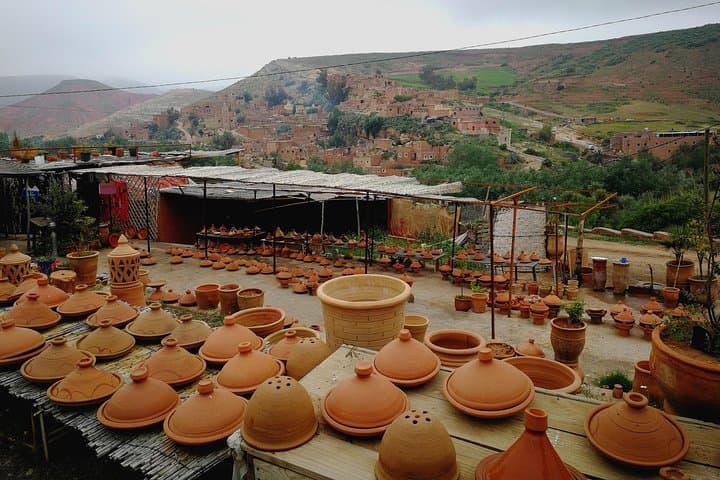
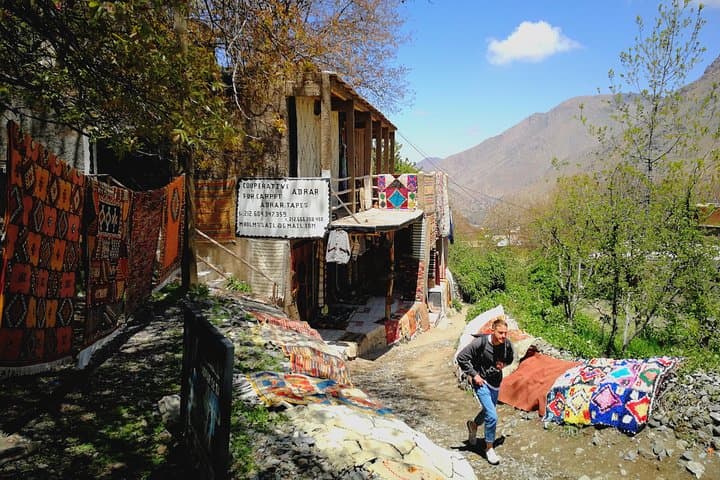
Culturally the High Atlas is Berber country: expect simple hospitality, traditional lunches in a family house, and the modest markets of Imlil and nearby Asni. The Agafay plain, by contrast, is stony desert where camels offer a quieter, windswept ride and views back toward Marrakech.
Practical guidance: the day trip is long (about 8–9 hours door to door). Trails are uneven and can be muddy after rain; wear stout shoes and bring 1–2 liters of water, sun protection, and layered clothing. If you opt for the riverside camel ride, allow time for a short transfer and photo stops. Carry local currency for tea, tips, and small purchases. Expect moderate walking with several short climbs; the reward is big views and close cultural encounters rather than technical mountaineering.
moderate.
8–9 hours.
Suitable for travelers with basic fitness who can walk several hours over uneven terrain; not technical.
The tour lists a camel ride as optional or included depending on the operator—confirm when booking and allow extra time if you choose it.
Walks are generally moderate with some short climbs on uneven paths; suitable for most active travelers but not for those with serious mobility issues.
Yes; a traditional Berber lunch in a local house is typically included along with tea and bottled water.
Tipping is customary; bring small dirham notes for the guide, driver, and any local helpers who assist during the day.
The High Atlas is inhabited largely by Amazigh (Berber) communities whose mountain agriculture and transhumance patterns date back centuries; trails often follow old pastoral routes.
Toubkal National Park faces pressure from tourism and water scarcity; stick to trails, avoid single-use plastics, and support local guides and family-run eateries.
Atlas Mountains Day Trip operates guided outdoor trips and adventures with an emphasis on safety, stewardship, and memorable experiences.
You leave Marrakech behind as the city heat folds away and the road climbs toward the High Atlas; terraces and olive groves slide past the minibus window while the Atlas foothills sharpen into ridges.
You leave Marrakech behind as the city heat folds away and the road climbs toward the High Atlas; terraces and olive groves slide past the minibus window while the Atlas foothills sharpen into ridges.
The route passes through Toubkal National Park to Imlil, a small mountain village that acts as a gateway to glacier-sculpted valleys and seasonal waterfalls. The geology here is mostly schist and granite; peaks carved by ancient rivers force water into narrow channels that roar after winter rains and thin to clear trickles by late summer. Along the trail you’ll pass Berber hamlets where flat-roof homes and terraced fields speak to centuries of mountain agriculture — local guides often explain irrigation practices and share tea, a daily ritual and a social currency.
Culturally the High Atlas is Berber country: expect simple hospitality, traditional lunches in a family house, and the modest markets of Imlil and nearby Asni. The Agafay plain, by contrast, is stony desert where camels offer a quieter, windswept ride and views back toward Marrakech.
Practical guidance: the day trip is long (about 8–9 hours door to door). Trails are uneven and can be muddy after rain; wear stout shoes and bring 1–2 liters of water, sun protection, and layered clothing. If you opt for the riverside camel ride, allow time for a short transfer and photo stops. Carry local currency for tea, tips, and small purchases. Expect moderate walking with several short climbs; the reward is big views and close cultural encounters rather than technical mountaineering.