THE ADVENTURE COLLECTIVE® · Independent discovery and booking for outdoor travel

A six-day circuit from Marrakech through the High Atlas, palm groves, canyons and Merzouga’s dunes. Expect long scenic drives, short cultural walks, a camel sunset, and a desert camp night—ideal for travelers who want concentrated exposure to southern Morocco’s landscapes and communities.
A six-day circuit from Marrakech through the High Atlas, palm groves, canyons and Merzouga’s dunes. Expect long scenic drives, short cultural walks, a camel sunset, and a desert camp night—ideal for travelers who want concentrated exposure to southern Morocco’s landscapes and communities.
Daybreak in Marrakech and the road already rearranges the world: the High Atlas rises like a raw wall, river valleys carving routes into ochre and green. Over six days travelers move from cedar-scattered passes to palm-shadowed oases, then into the orange shoulder of Merzouga’s dunes where camels silhouette the sunset and the sand seems to hold its breath.
Verified experiences and guided adventures in the surrounding area.
Operated by Authentic Destination · Marrakech, Marrakech-Safi
Daybreak in Marrakech and the road already rearranges the world: the High Atlas rises like a raw wall, river valleys carving routes into ochre and green. Over six days travelers move from cedar-scattered passes to palm-shadowed oases, then into the orange shoulder of Merzouga’s dunes where camels silhouette the sunset and the sand seems to hold its breath.
The route follows ancient trade and irrigation corridors—casbahs and ksars that grew where water fed date palms. Geology here is visible in layers: folded Atlas ridges of limestone and schist give way to red, wind-sculpted plateaus and the silty dunes of the Erg Chebbi, created by Saharan winds that push and rework sand with every season. Local Berber communities remain visible in architecture, markets, and shared mint tea; pockets of oasis agriculture on the Draa are reminders of irrigation techniques used for centuries.
Expect long drives broken by short walks: canyon rims and palmeraies, a 2-hour village walk near Tinghir, and a dusk camel ride in Merzouga culminating in an overnight in a converted comfort camp or traditional tent. Nights swing from cool mountain air at higher elevations to sharp, dry chill in the desert. Practical notes: pack layered clothing, sun protection, and a sturdy pair of shoes for uneven canyon and kasbah terrain. Hydrate during drives and allow time for acclimation at Tizi n’Tichka—the pass can be windy and much cooler. This itinerary balances cultural contact, geology, and landscape immersion—best for travelers comfortable with multi-day road travel who want a concentrated survey of southern Morocco’s valleys and dunes.
moderate.
6 days.
Suitable for travelers in good general health who can handle several hours of walking and multiple long driving days; not strenuous but requires stamina for transfers.
Options typically include a traditional Berber-style tent in a comfort camp or a nearby hotel; confirm your preference at booking.
Most days include short walks (30–120 minutes) and scenic stops; the trip centers on driving and light walking rather than technical hiking.
The itinerary is labeled easy for fitness levels, but consider the long transfers and desert conditions; ask about private transfers or slower pacing if needed.
Spring and fall offer milder daytime temperatures and comfortable nights; summer is hot in the desert, and winter nights can be cold with occasional snow over the high passes.
The route traces caravan and agricultural corridors; casbahs and ksars grew where water and trade sustained communities for centuries, with many structures dating to the 17th–19th centuries.
Water scarcity and tourism pressure affect oasis agriculture and dune margins; respect local regulations, avoid littering, and use established paths to limit erosion.
Authentic Destination operates guided outdoor trips and adventures with an emphasis on safety, stewardship, and memorable experiences.
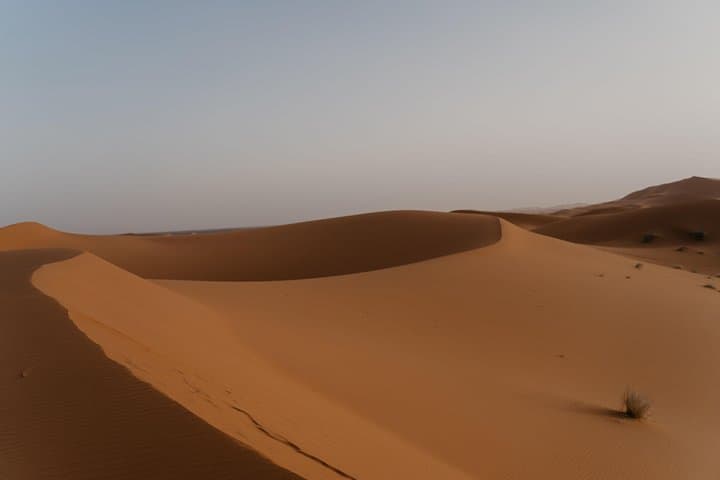
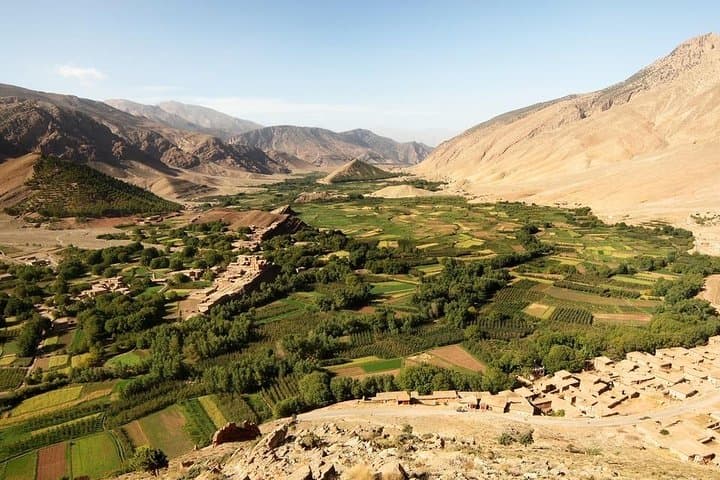
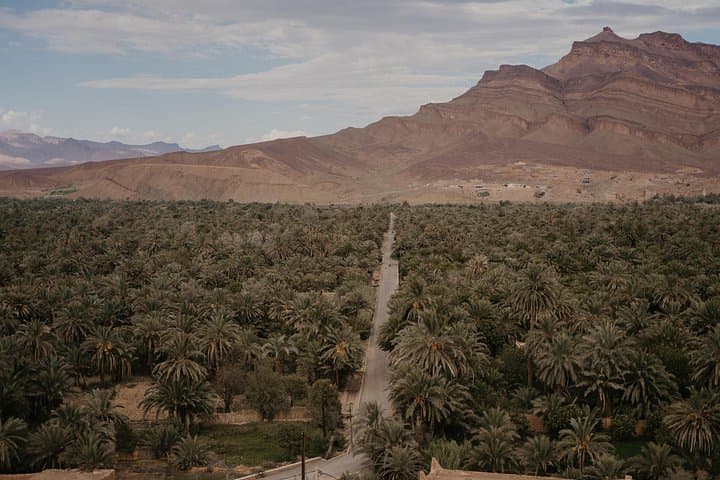
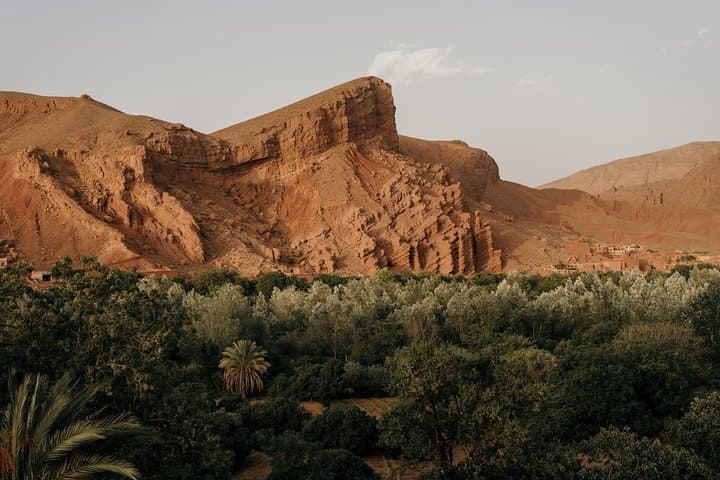
Daybreak in Marrakech and the road already rearranges the world: the High Atlas rises like a raw wall, river valleys carving routes into ochre and green. Over six days travelers move from cedar-scattered passes to palm-shadowed oases, then into the orange shoulder of Merzouga’s dunes where camels silhouette the sunset and the sand seems to hold its breath.
Daybreak in Marrakech and the road already rearranges the world: the High Atlas rises like a raw wall, river valleys carving routes into ochre and green. Over six days travelers move from cedar-scattered passes to palm-shadowed oases, then into the orange shoulder of Merzouga’s dunes where camels silhouette the sunset and the sand seems to hold its breath.
The route follows ancient trade and irrigation corridors—casbahs and ksars that grew where water fed date palms. Geology here is visible in layers: folded Atlas ridges of limestone and schist give way to red, wind-sculpted plateaus and the silty dunes of the Erg Chebbi, created by Saharan winds that push and rework sand with every season. Local Berber communities remain visible in architecture, markets, and shared mint tea; pockets of oasis agriculture on the Draa are reminders of irrigation techniques used for centuries.
Expect long drives broken by short walks: canyon rims and palmeraies, a 2-hour village walk near Tinghir, and a dusk camel ride in Merzouga culminating in an overnight in a converted comfort camp or traditional tent. Nights swing from cool mountain air at higher elevations to sharp, dry chill in the desert. Practical notes: pack layered clothing, sun protection, and a sturdy pair of shoes for uneven canyon and kasbah terrain. Hydrate during drives and allow time for acclimation at Tizi n’Tichka—the pass can be windy and much cooler. This itinerary balances cultural contact, geology, and landscape immersion—best for travelers comfortable with multi-day road travel who want a concentrated survey of southern Morocco’s valleys and dunes.