THE ADVENTURE COLLECTIVE® · Independent discovery and booking for outdoor travel

A full-day drive from Marrakech into the High Atlas that visits three valleys, Berber villages, a waterfall and a family lunch in Imlil. Expect light village hikes, panoramic viewpoints of Mount Toubkal and cultural stops including a Berber women’s cooperative and local market.
A full-day drive from Marrakech into the High Atlas that visits three valleys, Berber villages, a waterfall and a family lunch in Imlil. Expect light village hikes, panoramic viewpoints of Mount Toubkal and cultural stops including a Berber women’s cooperative and local market.
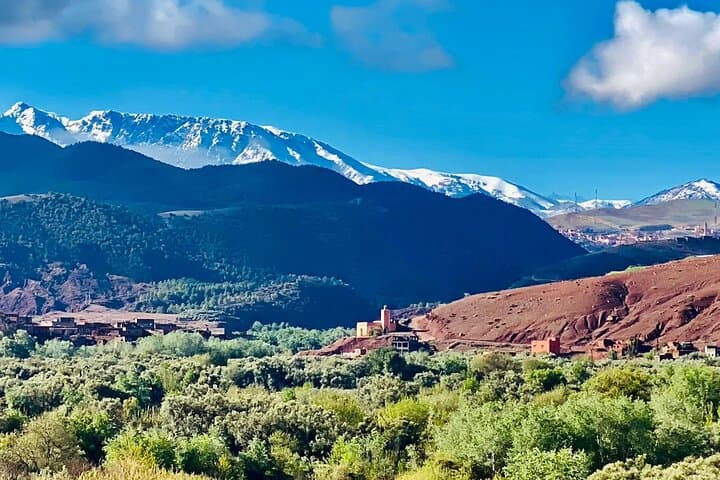
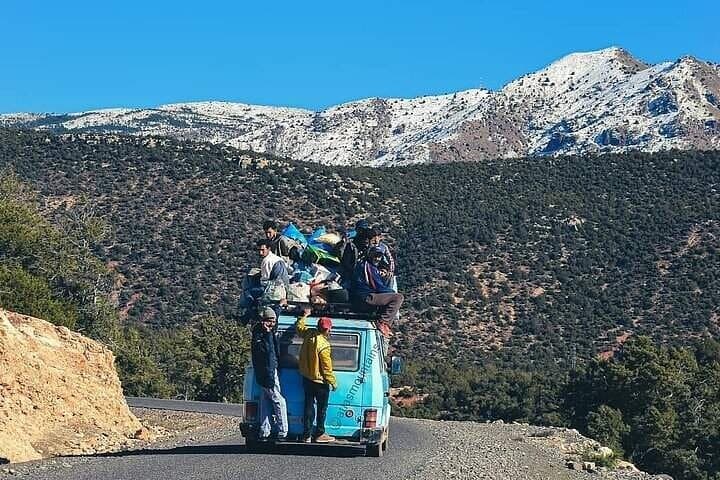
You leave Marrakech and the city’s heat thins behind you as the road climbs into the High Atlas. The road tightens, rock faces rise, and olive groves give way to terraced fields and clustered stone villages. By midmorning the driver pauses for a photo of an old Berber settlement near Tahanout; later a cooperative of Berber women welcomes the group with mint tea and handwoven textiles.
Verified experiences and guided adventures in the surrounding area.
Operated by Imlil Trips · Imlil, Marrakech-Safi
You leave Marrakech and the city’s heat thins behind you as the road climbs into the High Atlas. The road tightens, rock faces rise, and olive groves give way to terraced fields and clustered stone villages. By midmorning the driver pauses for a photo of an old Berber settlement near Tahanout; later a cooperative of Berber women welcomes the group with mint tea and handwoven textiles.
Geology here is visible: rounded granite domes and folded limestone born from the African–Eurasian collision press the ridgelines, and snow still caps Oukaimden in winter. Culturally the region is Amazigh (Berber) — villages are organized around communal terraces and seasonal markets that trace routes used for centuries.
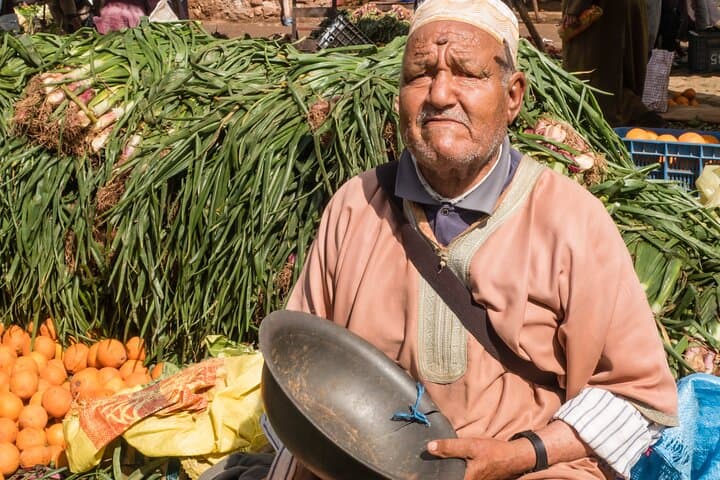
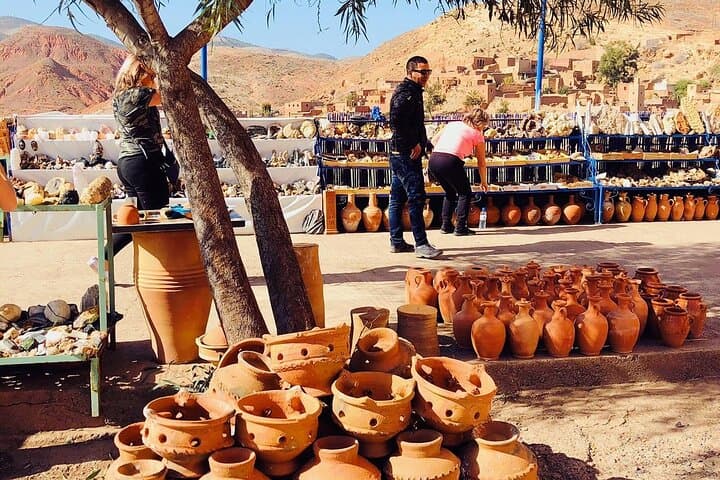
The tour threads through Asni and Imlil, where a smooth village walk leads to a modest waterfall and panoramic views of Mount Toubkal, North Africa’s highest peak. Lunch is served in a family house on a hilltop — simple, local dishes that reflect mountain ingredients. Stops include a weekly souk, the Kik Plateau for open views, a short camel ride near Lalla Takerkouste Dam, and photo stops at the Oukaimden ski area.
Practically: this is a full, roughly seven-hour day with light walking on uneven village paths and short drives between stops. Expect altitude changes up to ~1,700–2,000 m; layers are useful. Bring cash for market purchases, comfortable shoes, sun protection, and a reusable water bottle. The pace balances cultural stops with short hikes — a good introduction to High Atlas landscapes and village life.
moderate.
7 hours.
Suitable for travelers in average shape who can walk 1–3 miles on uneven surfaces and handle short elevation changes.
The tour runs about seven hours (approx. 420 minutes) and typically returns to Marrakech mid-to-late afternoon around 5pm.
The walk through Imlil is a gentle village trek on uneven paths; no technical hiking skills are required, but good shoes help.
Oukaimden is a ski area and can have snow in winter; photo stops overlook the ski resort but on-tour access depends on conditions.
Carry Moroccan dirhams for small purchases and tipping; modest tips for guides or hosts are appreciated (a few euros or 20–50 MAD by person for local hosts).
The High Atlas is home to Amazigh (Berber) communities with mountain agriculture and seasonal markets dating back centuries; villages here grew along routes linking Marrakech to mountain pastures.
Tourism brings income but also pressure on water and trails — carry out waste, avoid single-use plastics, and support local cooperatives that prioritize sustainable crafts and livelihoods.
Imlil Trips operates guided outdoor trips and adventures with an emphasis on safety, stewardship, and memorable experiences.
You leave Marrakech and the city’s heat thins behind you as the road climbs into the High Atlas. The road tightens, rock faces rise, and olive groves give way to terraced fields and clustered stone villages. By midmorning the driver pauses for a photo of an old Berber settlement near Tahanout; later a cooperative of Berber women welcomes the group with mint tea and handwoven textiles.
You leave Marrakech and the city’s heat thins behind you as the road climbs into the High Atlas. The road tightens, rock faces rise, and olive groves give way to terraced fields and clustered stone villages. By midmorning the driver pauses for a photo of an old Berber settlement near Tahanout; later a cooperative of Berber women welcomes the group with mint tea and handwoven textiles.
Geology here is visible: rounded granite domes and folded limestone born from the African–Eurasian collision press the ridgelines, and snow still caps Oukaimden in winter. Culturally the region is Amazigh (Berber) — villages are organized around communal terraces and seasonal markets that trace routes used for centuries.
The tour threads through Asni and Imlil, where a smooth village walk leads to a modest waterfall and panoramic views of Mount Toubkal, North Africa’s highest peak. Lunch is served in a family house on a hilltop — simple, local dishes that reflect mountain ingredients. Stops include a weekly souk, the Kik Plateau for open views, a short camel ride near Lalla Takerkouste Dam, and photo stops at the Oukaimden ski area.
Practically: this is a full, roughly seven-hour day with light walking on uneven village paths and short drives between stops. Expect altitude changes up to ~1,700–2,000 m; layers are useful. Bring cash for market purchases, comfortable shoes, sun protection, and a reusable water bottle. The pace balances cultural stops with short hikes — a good introduction to High Atlas landscapes and village life.