THE ADVENTURE COLLECTIVE® · Independent discovery and booking for outdoor travel

Drive from Marrakech into the High Atlas for a seven‑hour day tour through Asni, Ait Souka and Imlil. Visit waterfalls, a Berber family home and an argan oil cooperative, with short walks and panoramic viewpoints at about 1,800 m.
Drive from Marrakech into the High Atlas for a seven‑hour day tour through Asni, Ait Souka and Imlil. Visit waterfalls, a Berber family home and an argan oil cooperative, with short walks and panoramic viewpoints at about 1,800 m.
A highland wind cuts across the road as the minivan climbs out of Marrakech and the city’s heat gives way to pine-scented air. Within an hour the asphalt narrows, adobe villages appear on rocky terraces, and the Three Valleys open: Asni’s orchards, Ait Souka’s fruit trees and the lush, waterfall-steeped hollows near Aroumd and Imlil. Camels wait at a shaded bend; mountain streams dare you closer with the sound of water over stone.
Verified experiences and guided adventures in the surrounding area.
Operated by Things To Do From Marrakech · Marrakech, Marrakesh-Safi
A highland wind cuts across the road as the minivan climbs out of Marrakech and the city’s heat gives way to pine-scented air. Within an hour the asphalt narrows, adobe villages appear on rocky terraces, and the Three Valleys open: Asni’s orchards, Ait Souka’s fruit trees and the lush, waterfall-steeped hollows near Aroumd and Imlil. Camels wait at a shaded bend; mountain streams dare you closer with the sound of water over stone.
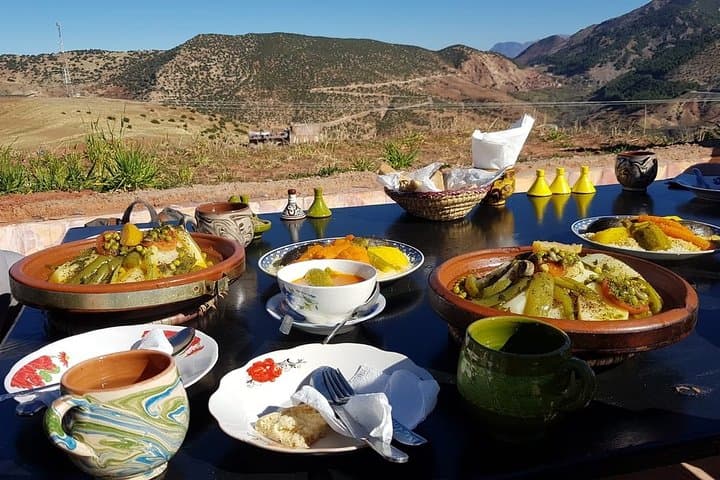
Geology here is recent and rugged—folded limestone and schist rising into the High Atlas, culminating in Jebel Toubkal (4,167 m / 13,665 ft) visible from many high points. The valleys carry centuries of Amazigh (Berber) culture: stone and adobe houses, terraced fields irrigated by ancient channels, and women’s cooperatives producing argan oil. The tour includes a visit to a family home, an argan co-op, a short camel ride, and a lunch in a typical Berber house, plus stops on the Kik Plateau and viewpoints around 1,800 m elevation.
Expect light walking on uneven village tracks and short trails to viewpoints and waterfalls; the full circuit runs about seven hours including transport and stops. Bring sturdy shoes, layers for rapidly shifting mountain temperatures, sunscreen and a refillable water bottle. Camera batteries and a small amount of local currency for tips and co-op purchases are useful. Start early to avoid midday heat and to get clearer mountain light. Respect private property, ask before photographing people, and support local cooperatives to keep tourism benefits in the valleys.
moderate.
7 hours.
Suitable for travelers in light to moderate fitness—able to walk short uneven sections and handle repeated vehicle transfers.
The tour is a fixed seven‑hour day trip with pick-up and drop-off in Marrakech; exact pick-up time is provided at booking.
Walking is short and generally on village tracks or to viewpoints—suitable for most fitness levels though terrain can be uneven.
On clear days the 4,167 m summit of Jebel Toubkal is visible from several viewpoints on the route, especially from the Kik Plateau and higher valleys.
Yes—lunch in a typical Berber house and bottled water, plus coffee or tea are included; bring small cash for co-op purchases and tips.
The High Atlas valleys have long been home to Amazigh (Berber) communities who built terraced fields and village clusters; argan oil production and small cooperatives are a modern adaptation of traditional skills.
Water is scarce seasonally and trails suffer erosion—stick to paths, avoid single‑use plastics and support local cooperatives to help keep tourism sustainable.
Things To Do From Marrakech operates guided outdoor trips and adventures with an emphasis on safety, stewardship, and memorable experiences.
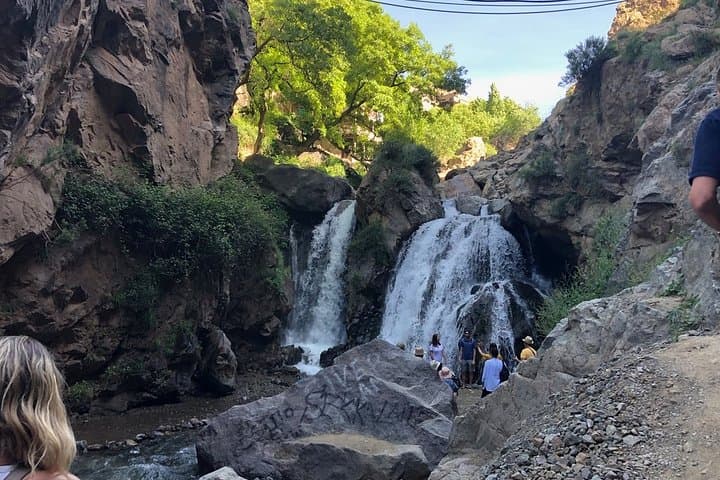
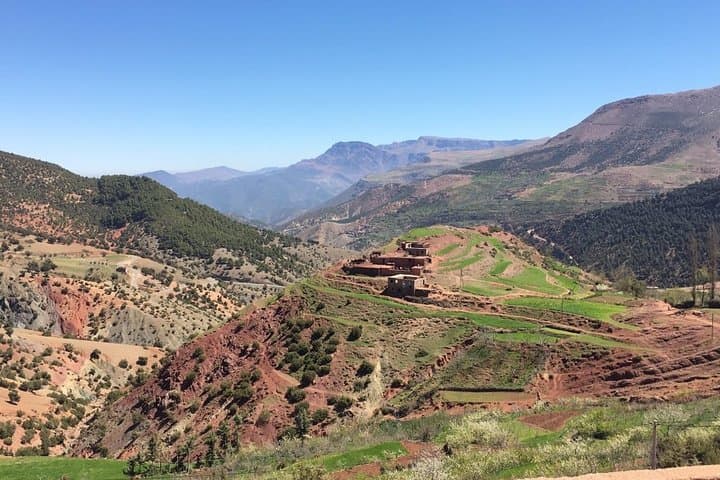
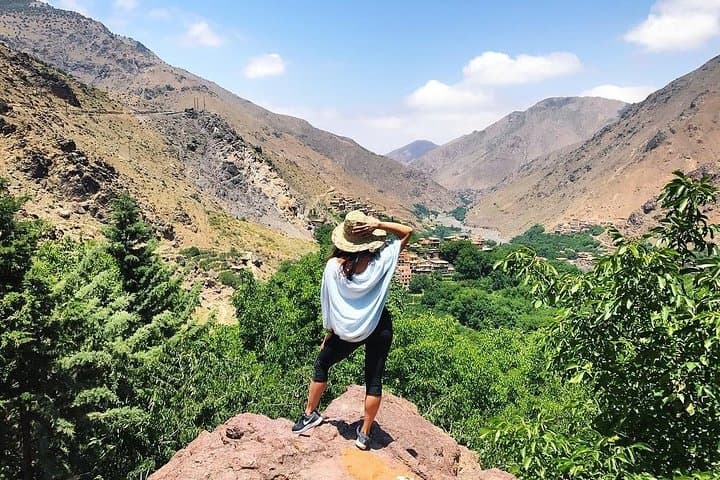
A highland wind cuts across the road as the minivan climbs out of Marrakech and the city’s heat gives way to pine-scented air. Within an hour the asphalt narrows, adobe villages appear on rocky terraces, and the Three Valleys open: Asni’s orchards, Ait Souka’s fruit trees and the lush, waterfall-steeped hollows near Aroumd and Imlil. Camels wait at a shaded bend; mountain streams dare you closer with the sound of water over stone.
A highland wind cuts across the road as the minivan climbs out of Marrakech and the city’s heat gives way to pine-scented air. Within an hour the asphalt narrows, adobe villages appear on rocky terraces, and the Three Valleys open: Asni’s orchards, Ait Souka’s fruit trees and the lush, waterfall-steeped hollows near Aroumd and Imlil. Camels wait at a shaded bend; mountain streams dare you closer with the sound of water over stone.
Geology here is recent and rugged—folded limestone and schist rising into the High Atlas, culminating in Jebel Toubkal (4,167 m / 13,665 ft) visible from many high points. The valleys carry centuries of Amazigh (Berber) culture: stone and adobe houses, terraced fields irrigated by ancient channels, and women’s cooperatives producing argan oil. The tour includes a visit to a family home, an argan co-op, a short camel ride, and a lunch in a typical Berber house, plus stops on the Kik Plateau and viewpoints around 1,800 m elevation.
Expect light walking on uneven village tracks and short trails to viewpoints and waterfalls; the full circuit runs about seven hours including transport and stops. Bring sturdy shoes, layers for rapidly shifting mountain temperatures, sunscreen and a refillable water bottle. Camera batteries and a small amount of local currency for tips and co-op purchases are useful. Start early to avoid midday heat and to get clearer mountain light. Respect private property, ask before photographing people, and support local cooperatives to keep tourism benefits in the valleys.