THE ADVENTURE COLLECTIVE® · Independent discovery and booking for outdoor travel

Escape Marrakech for a full-day loop through the High Atlas—visit Berber villages, a women’s cooperative, a hidden waterfall and the Kik Plateau, topped by a family-style lunch and a short camel ride. This practical guide tells you what to expect and how to prepare.
Escape Marrakech for a full-day loop through the High Atlas—visit Berber villages, a women’s cooperative, a hidden waterfall and the Kik Plateau, topped by a family-style lunch and a short camel ride. This practical guide tells you what to expect and how to prepare.
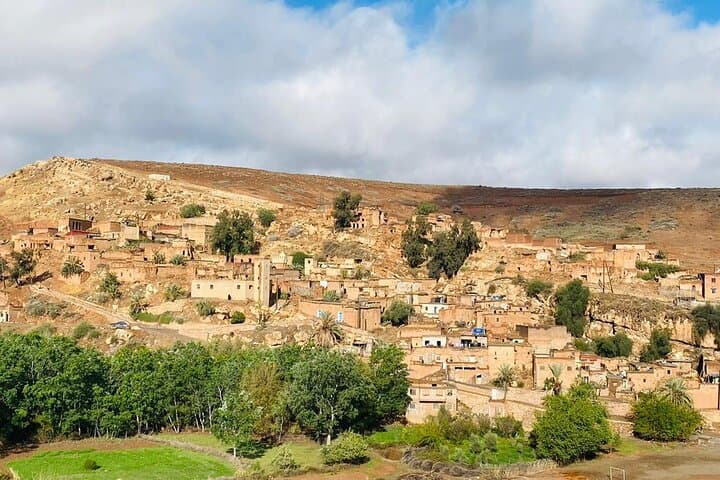
The day begins before sunrise as Marrakech’s ochre walls blur behind you and the road climbs into the High Atlas. Low stone farms give way to terraced slopes; a thin river dares you closer as goat tracks thread toward the villages. By midmorning you’re walking between mud-brick houses, the air scented with wood smoke and mint tea poured by hands that have brewed it the same way for generations.
Verified experiences and guided adventures in the surrounding area.
Operated by Marrakesh Day Tour · Marrakech, Marrakech-Safi
The day begins before sunrise as Marrakech’s ochre walls blur behind you and the road climbs into the High Atlas. Low stone farms give way to terraced slopes; a thin river dares you closer as goat tracks thread toward the villages. By midmorning you’re walking between mud-brick houses, the air scented with wood smoke and mint tea poured by hands that have brewed it the same way for generations.
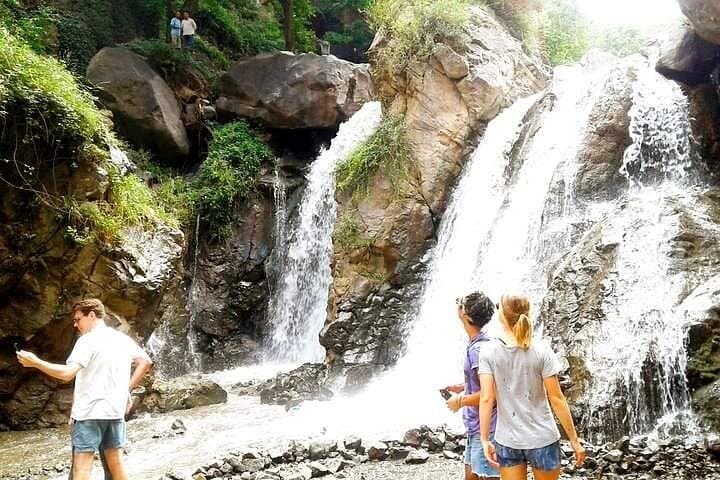
Geology here is blunt and honest: folded limestone and shale pushed up by the collision of African and Eurasian plates, carved into steep valleys and plateaus. The route moves through three distinct valleys—Tahanout’s old hamlets, the photo vantage at Asni with views toward Oukaimden’s snowy shoulders, and the Imlil valley where a short, smooth hike leads to a remote waterfall.
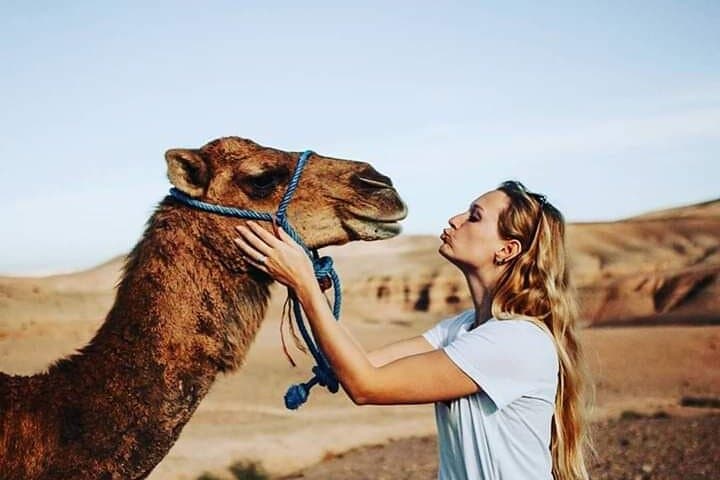
Culture is tangible: meetings with a Berber women’s cooperative reveal hand-loomed textiles and local olive oil, and lunch served in a family house follows recipes passed down across seasons. Expect simple hospitality, strong tea, and an easy camel ride on return plains for a final, slightly comic contrast to mountain silence.
Practical guide: the excursion is a full day (about 6–7 hours including transfers). Elevation rises from Marrakech’s basin to Imlil’s high village—bring layered clothing for cool mountain air, at least 1–1.5 liters of water, and sturdy shoes for uneven village paths. Carry cash for small purchases and respect modest dress in rural communities. The hike itself is not technical, but steady footing and a moderate fitness level make the day more enjoyable.
moderate.
6–7 hours.
Moderate fitness; able to walk for 1–3 hours on uneven terrain and handle short climbs.
The round-trip includes roughly 1–1.5 hours of driving each way depending on stops and traffic, with the total experience lasting about 6–7 hours.
The village walks are generally easy and suitable for most ages, but participants should be comfortable with short uphill sections and uneven terrain.
Yes—visitors typically have time to view and buy textiles, argan oil, and small crafts; bring cash and allow 15–30 minutes.
Altitude is moderate (Imlil around 1,400–1,600 m); most travelers experience no issues, but slower pace and hydration help prevent discomfort.
The High Atlas valleys are home to Amazigh (Berber) communities with centuries-old agricultural terraces and trade routes that linked Marrakech to mountain pastures.
Water is scarce in the region and foot traffic can accelerate erosion—support local co-ops, pack out waste, and avoid straying from established paths.
Marrakesh Day Tour operates guided outdoor trips and adventures with an emphasis on safety, stewardship, and memorable experiences.

The day begins before sunrise as Marrakech’s ochre walls blur behind you and the road climbs into the High Atlas. Low stone farms give way to terraced slopes; a thin river dares you closer as goat tracks thread toward the villages. By midmorning you’re walking between mud-brick houses, the air scented with wood smoke and mint tea poured by hands that have brewed it the same way for generations.
The day begins before sunrise as Marrakech’s ochre walls blur behind you and the road climbs into the High Atlas. Low stone farms give way to terraced slopes; a thin river dares you closer as goat tracks thread toward the villages. By midmorning you’re walking between mud-brick houses, the air scented with wood smoke and mint tea poured by hands that have brewed it the same way for generations.
Geology here is blunt and honest: folded limestone and shale pushed up by the collision of African and Eurasian plates, carved into steep valleys and plateaus. The route moves through three distinct valleys—Tahanout’s old hamlets, the photo vantage at Asni with views toward Oukaimden’s snowy shoulders, and the Imlil valley where a short, smooth hike leads to a remote waterfall.
Culture is tangible: meetings with a Berber women’s cooperative reveal hand-loomed textiles and local olive oil, and lunch served in a family house follows recipes passed down across seasons. Expect simple hospitality, strong tea, and an easy camel ride on return plains for a final, slightly comic contrast to mountain silence.
Practical guide: the excursion is a full day (about 6–7 hours including transfers). Elevation rises from Marrakech’s basin to Imlil’s high village—bring layered clothing for cool mountain air, at least 1–1.5 liters of water, and sturdy shoes for uneven village paths. Carry cash for small purchases and respect modest dress in rural communities. The hike itself is not technical, but steady footing and a moderate fitness level make the day more enjoyable.