THE ADVENTURE COLLECTIVE® · Independent discovery and booking for outdoor travel

Escape Marrakech for a full-day into the High Atlas: mule rides through Berber villages, a cooling waterfall, and a traditional lunch in Imlil. This practical guide tells you what to expect—terrain, timing, and local tips—for a rewarding day in the mountains.
Escape Marrakech for a full-day into the High Atlas: mule rides through Berber villages, a cooling waterfall, and a traditional lunch in Imlil. This practical guide tells you what to expect—terrain, timing, and local tips—for a rewarding day in the mountains.
You leave Marrakech as the medina’s heat thins behind you and the road climbs into the High Atlas. Olive and argan trees shrink into terraces; a rushing mountain stream dares you forward as you approach the narrow valley that holds Imlil. The day unfolds in cinematic sequences: a short village walk, a mule ride across stone paths, a tea with a Berber family, and a cool splash at a folded-rock waterfall.
Verified experiences and guided adventures in the surrounding area.
Operated by Adrar Trips From Marrakech · Imlil, Marrakech-Safi
You leave Marrakech as the medina’s heat thins behind you and the road climbs into the High Atlas. Olive and argan trees shrink into terraces; a rushing mountain stream dares you forward as you approach the narrow valley that holds Imlil. The day unfolds in cinematic sequences: a short village walk, a mule ride across stone paths, a tea with a Berber family, and a cool splash at a folded-rock waterfall.
Geology here is blunt and recent—crumpled bedrock pushed up by African and Eurasian plate collision—so trails are rocky, steep in places, and studded with scree. The people are older than the maps: Amazigh (Berber) communities who have grazed flocks and farmed terraces for generations. You’ll see hand-pressed argan oil and hear stories of seasonal markets in Essni. Small shrines and stone-built houses reflect a rural rhythm that resists rapid change.
Practically, expect a full 6–8 hour day including roundtrip transport from Marrakech and roughly 1,400–1,700 m elevation in the valley. Trails vary from compacted dirt to loose rock; mule rides cover steeper or uneven sections. Wear sturdy shoes, layers for midday sun and cooler valley afternoons, and carry at least 1–1.5 L water per person. Bring cash for small purchases and a modest tip for guides and mule handlers. Start early to avoid afternoon heat and potential cloudburst runoff. Respect private yards and ask before photographing people. This is a cultural day-hike: it rewards curiosity and steady legs more than technical climbing skills.
moderate.
6–8 hours.
Moderate fitness: comfortable walking on uneven terrain, short uphill stretches, and ability to mount a mule.
No—this is a moderate day tour suitable for travelers with basic fitness; mules are used for steeper or longer segments but you should be comfortable walking uneven ground.
Yes—roundtrip transport from central Marrakech accommodations is typically included; confirm your pickup point when booking.
Basic restroom stops and a traditional lunch in a local house or guesthouse are included; bring any personal snacks you prefer.
Mule rides are available but operators may restrict very young children and pregnant travelers for safety—ask the provider ahead of time.
The High Atlas valleys are home to Amazigh (Berber) communities whose mountain agriculture and transhumance routes date back centuries; weekly souks like Essni continue as social and trade centers.
Stick to marked paths to reduce erosion, support local cooperatives for economic benefit, and avoid single-use plastics to protect limited mountain water sources.
Adrar Trips From Marrakech operates guided outdoor trips and adventures with an emphasis on safety, stewardship, and memorable experiences.
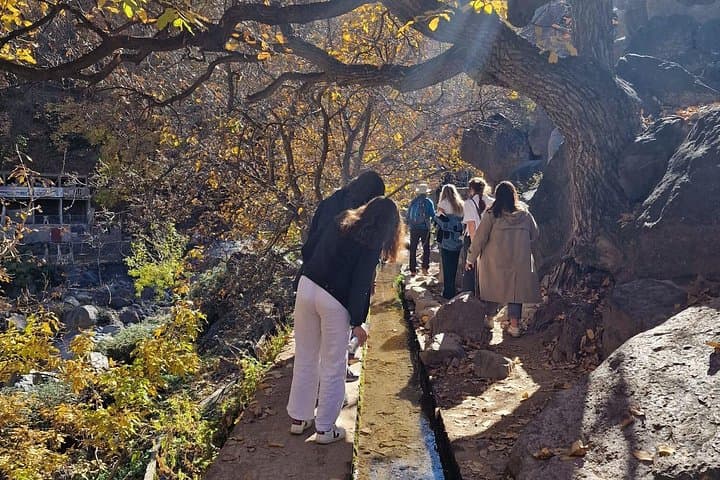
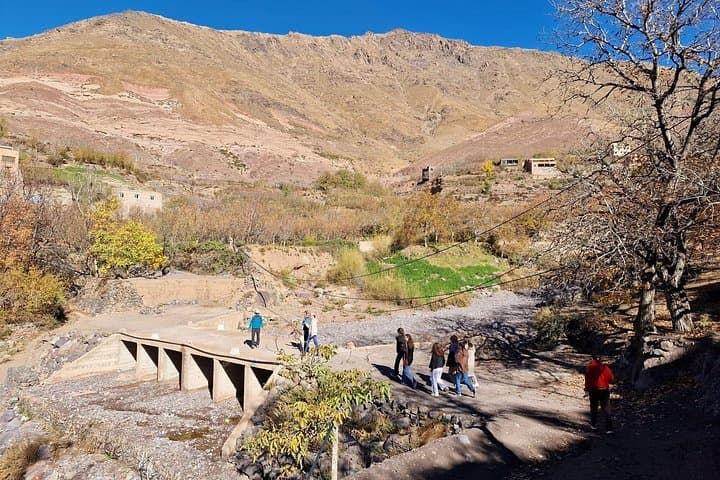
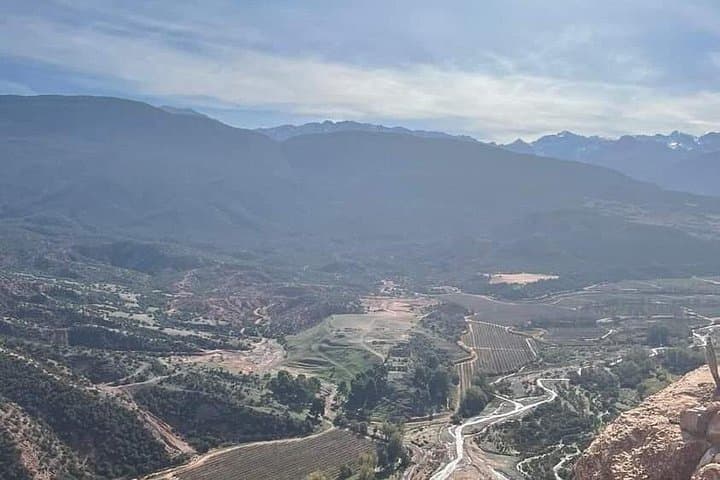
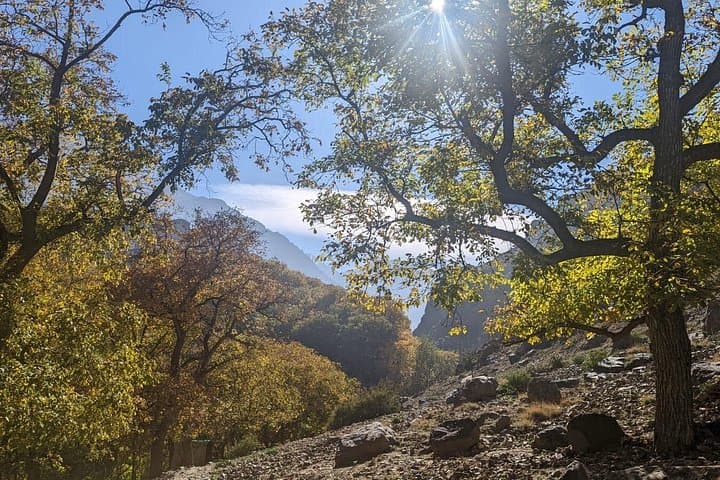
You leave Marrakech as the medina’s heat thins behind you and the road climbs into the High Atlas. Olive and argan trees shrink into terraces; a rushing mountain stream dares you forward as you approach the narrow valley that holds Imlil. The day unfolds in cinematic sequences: a short village walk, a mule ride across stone paths, a tea with a Berber family, and a cool splash at a folded-rock waterfall.
You leave Marrakech as the medina’s heat thins behind you and the road climbs into the High Atlas. Olive and argan trees shrink into terraces; a rushing mountain stream dares you forward as you approach the narrow valley that holds Imlil. The day unfolds in cinematic sequences: a short village walk, a mule ride across stone paths, a tea with a Berber family, and a cool splash at a folded-rock waterfall.
Geology here is blunt and recent—crumpled bedrock pushed up by African and Eurasian plate collision—so trails are rocky, steep in places, and studded with scree. The people are older than the maps: Amazigh (Berber) communities who have grazed flocks and farmed terraces for generations. You’ll see hand-pressed argan oil and hear stories of seasonal markets in Essni. Small shrines and stone-built houses reflect a rural rhythm that resists rapid change.
Practically, expect a full 6–8 hour day including roundtrip transport from Marrakech and roughly 1,400–1,700 m elevation in the valley. Trails vary from compacted dirt to loose rock; mule rides cover steeper or uneven sections. Wear sturdy shoes, layers for midday sun and cooler valley afternoons, and carry at least 1–1.5 L water per person. Bring cash for small purchases and a modest tip for guides and mule handlers. Start early to avoid afternoon heat and potential cloudburst runoff. Respect private yards and ask before photographing people. This is a cultural day-hike: it rewards curiosity and steady legs more than technical climbing skills.