THE ADVENTURE COLLECTIVE® · Independent discovery and booking for outdoor travel

A full‑day drive from Marrakech brings you into Imlil Valley for a guided waterfall walk, a visit to a women’s cooperative and a home‑cooked Berber lunch. Expect 7–8 hours total, gentle trails, and strong local hospitality.
A full‑day drive from Marrakech brings you into Imlil Valley for a guided waterfall walk, a visit to a women’s cooperative and a home‑cooked Berber lunch. Expect 7–8 hours total, gentle trails, and strong local hospitality.
You step out of the air‑conditioned minivan into cool mountain air as the road unhooks from Marrakech and drops into the green ribs of the High Atlas.
Verified experiences and guided adventures in the surrounding area.
Operated by Go Discover Morocco · Imlil, Marrakech-Safi
You step out of the air‑conditioned minivan into cool mountain air as the road unhooks from Marrakech and drops into the green ribs of the High Atlas.
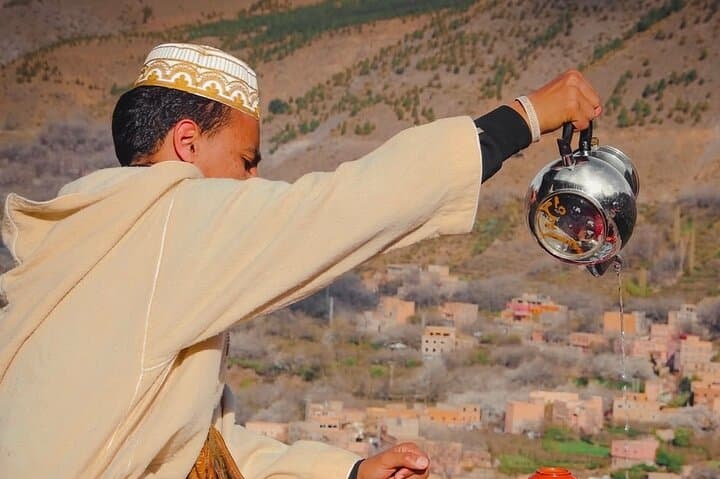
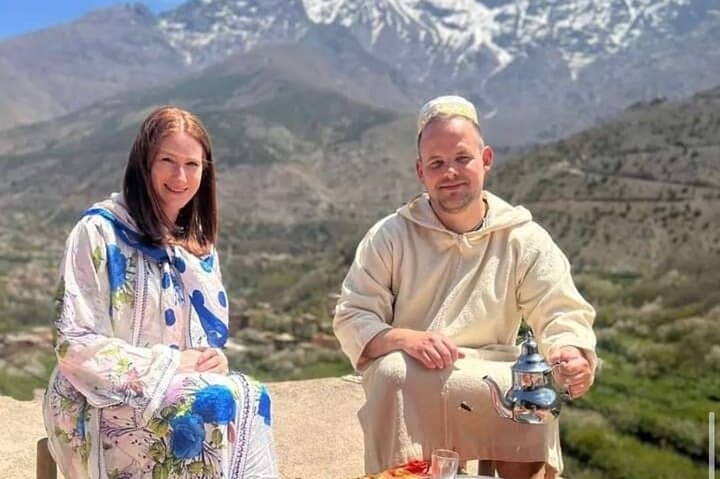
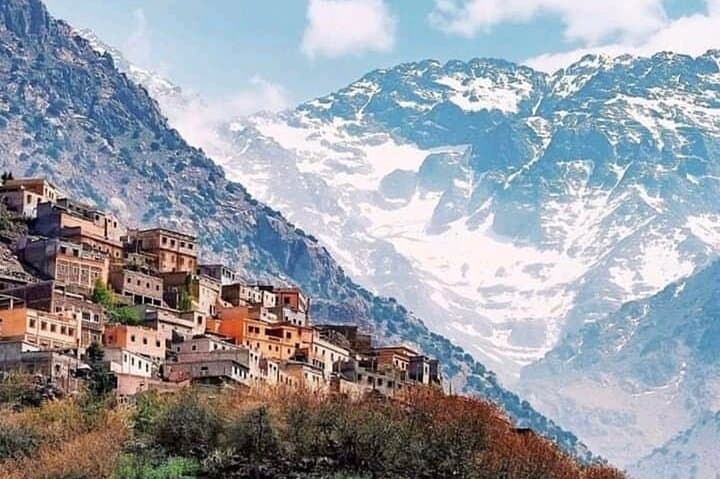
The village of Imlil sits at roughly 1,740 m, a clutch of flat‑roofed houses above a braided stream. The day begins with a short visit to a women's cooperative — mint tea and rural crafts — then a guided walk that threads through terraced fields, across stone bridges and toward a series of small waterfalls that push and tumble down the valley.
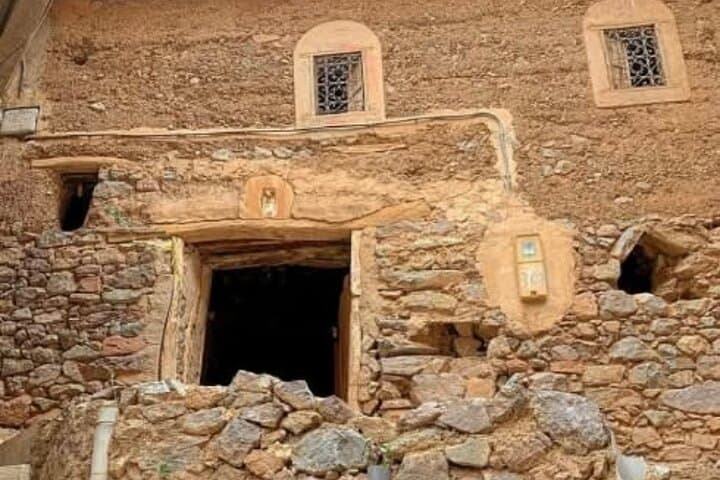
The High Atlas is a young uplifted range carved by seasonal streams, its narrow valleys revealing layered rock and soil that local communities have farmed for centuries. Berber (Amazigh) culture remains present in Davd‑style homes and family kitchens: the shared lunch in a guide’s family house is as much about hospitality as it is about tagine and fresh flatbread.
Expect a guided, mostly gentle hike of roughly 3–5 km (roundtrip), with short climbs and an elevation change generally under 300 m depending on route. Trails vary from packed dirt to loose scree near the falls; waterproof footing helps when stepping over the stream.
Practical tip: plan for a full 7–8 hour outing including transfers (the drive is up to two hours each way), carry 1–2 liters of water, wear sturdy shoes, and keep layers for sun and sudden mountain shade. Respect local customs — simple gestures and modest clothing go far — and look after the fragile trails by carrying out waste. This day is ideal for travelers who want a manageable mountain hike paired with cultural context and home‑cooked food.
moderate.
7–8 hours.
Suitable for most travelers with basic fitness — able to walk on uneven paths and handle short climbs over a few kilometers.
The transfer is up to two hours each way with photo stops along the Tahanaout valley, making the full outing about 7–8 hours including walking and meals.
Yes — the tour advertises a gentle walk suitable for most fitness levels; expect short uneven sections but no technical climbing.
Guides commonly speak Arabic and French; many also speak English — confirm at booking if you need a specific language.
Lunch in a Berber family house is included; basic restroom facilities are available in village stops but bring hand sanitizer.
The High Atlas has long been home to Berber (Amazigh) communities that farm upland terraces and served historic trans‑Saharan routes; Imlil has been a gateway for climbers ascending Toubkal.
Trails are vulnerable to erosion and litter; support local cooperatives and follow Leave No Trace practices to reduce tourism impact.
Go Discover Morocco operates guided outdoor trips and adventures with an emphasis on safety, stewardship, and memorable experiences.
You step out of the air‑conditioned minivan into cool mountain air as the road unhooks from Marrakech and drops into the green ribs of the High Atlas.
You step out of the air‑conditioned minivan into cool mountain air as the road unhooks from Marrakech and drops into the green ribs of the High Atlas.
The village of Imlil sits at roughly 1,740 m, a clutch of flat‑roofed houses above a braided stream. The day begins with a short visit to a women's cooperative — mint tea and rural crafts — then a guided walk that threads through terraced fields, across stone bridges and toward a series of small waterfalls that push and tumble down the valley.
The High Atlas is a young uplifted range carved by seasonal streams, its narrow valleys revealing layered rock and soil that local communities have farmed for centuries. Berber (Amazigh) culture remains present in Davd‑style homes and family kitchens: the shared lunch in a guide’s family house is as much about hospitality as it is about tagine and fresh flatbread.
Expect a guided, mostly gentle hike of roughly 3–5 km (roundtrip), with short climbs and an elevation change generally under 300 m depending on route. Trails vary from packed dirt to loose scree near the falls; waterproof footing helps when stepping over the stream.
Practical tip: plan for a full 7–8 hour outing including transfers (the drive is up to two hours each way), carry 1–2 liters of water, wear sturdy shoes, and keep layers for sun and sudden mountain shade. Respect local customs — simple gestures and modest clothing go far — and look after the fragile trails by carrying out waste. This day is ideal for travelers who want a manageable mountain hike paired with cultural context and home‑cooked food.