THE ADVENTURE COLLECTIVE® · Independent discovery and booking for outdoor travel

Spend a day from Marrakech into the High Atlas: visit an argan cooperative, ride a camel across Asni river, hike through juniper forests and share a Berber lunch in Imlil. This guided day tour balances accessible walking with authentic mountain culture.
Spend a day from Marrakech into the High Atlas: visit an argan cooperative, ride a camel across Asni river, hike through juniper forests and share a Berber lunch in Imlil. This guided day tour balances accessible walking with authentic mountain culture.
A dust-sweet wind carries mint and wood smoke as the minivan climbs out of Marrakech toward the high ridges of the High Atlas. By midmorning the city’s heat gives way to pine and juniper; the road drops into Asni valley (≈1,000 m) and then threads toward Imlil and a mosaic of stone Berber houses stacked on the slopes below Toubkal’s shadow.
Verified experiences and guided adventures in the surrounding area.
Operated by Tours Around Morocco · Imlil, Marrakesh-Safi
A dust-sweet wind carries mint and wood smoke as the minivan climbs out of Marrakech toward the high ridges of the High Atlas. By midmorning the city’s heat gives way to pine and juniper; the road drops into Asni valley (≈1,000 m) and then threads toward Imlil and a mosaic of stone Berber houses stacked on the slopes below Toubkal’s shadow.
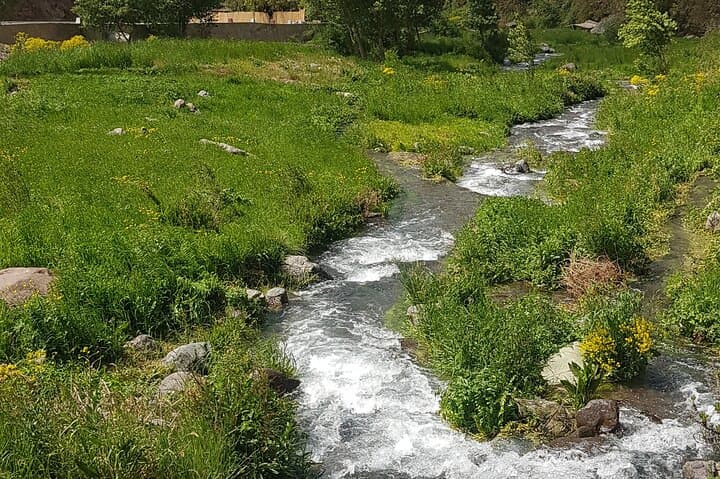
The route follows living history: centuries-old transhumance trails, hand-built terraces and cooperatives pressing argan oil from local fruit. Geologically the High Atlas is young and uplifted—steep valleys carved by winter runoff and summer streams—so expect rocky mule tracks, river crossings and sudden viewpoints that reveal snow-clad ridgelines in winter.
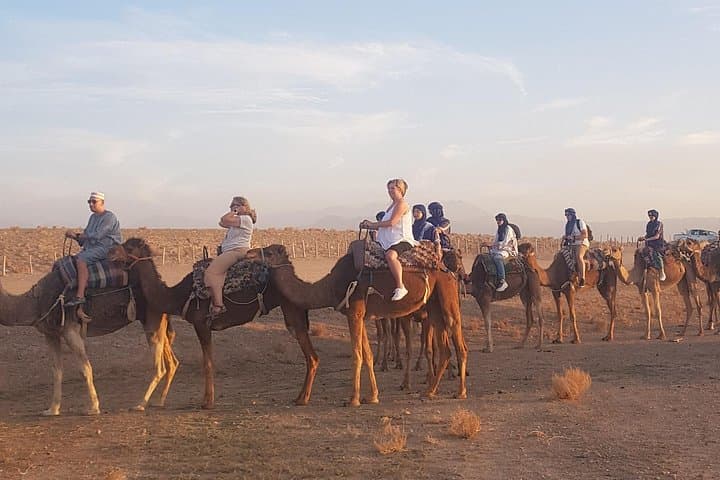
On this full-day outing you’ll visit an argan cooperative, cross the Asni river by camel or on foot, then take a 2–3 hour guided walk through villages and juniper woods. Mules are available for less-steep alternatives, and the day concludes with a three-course Berber meal in a family house—tea and hospitality central to the visit.
Practical edge: pack sturdy hiking shoes, a sun hat and 2–3 liters of water, plus small bills for village purchases and a modest tip for guides. Morning pickup from your riad around 09:00 keeps the heat low and light good for photos. Trails can be uneven and occasionally slick after rain, so trekking poles help stability. The experience is culturally rich and physically moderate—ideal for hikers comfortable on uneven terrain who want direct contact with local mountain life, not technical mountaineering.
moderate.
8 hours.
Suitable for travelers with moderate fitness who can walk 2–4 miles on uneven terrain and tolerate short climbs.
The guided walk around Berber villages is typically 2–3 hours, covering uneven trails and short climbs; mule rides are available as an easier option.
Yes for most, but the tour requires moderate mobility—children and older travelers should be comfortable with uneven paths; mules can reduce walking.
Guides usually speak English, French and Arabic; basic translation for Berber (Amazigh) culture is common through local hosts.
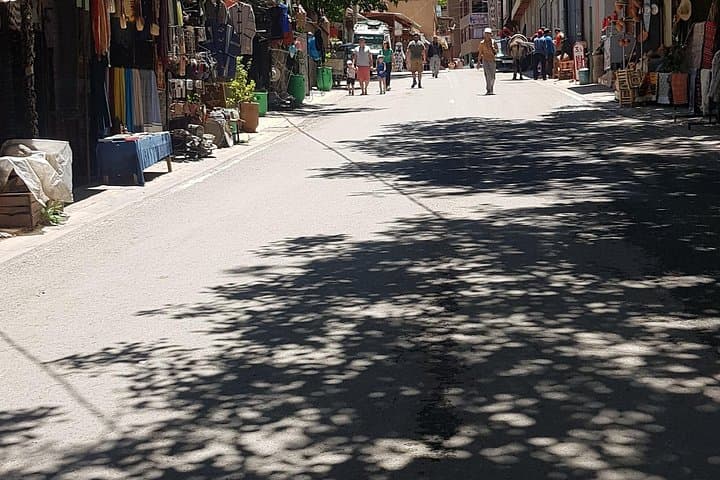
Yes—the itinerary includes stops at an argan cooperative and village stalls where you can buy small handicrafts and argan products; carry dirhams.
The High Atlas has long been home to Berber (Amazigh) communities that managed transhumance routes and terraced agriculture; Imlil became a gateway for Toubkal climbers in the 20th century.
Water is scarce seasonally and trails are vulnerable to erosion—support local cooperatives and stick to paths to minimize impact.
Tours Around Morocco operates guided outdoor trips and adventures with an emphasis on safety, stewardship, and memorable experiences.
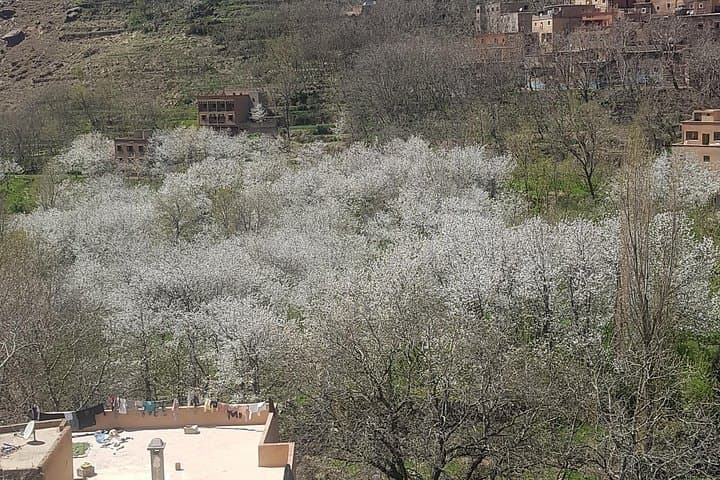
A dust-sweet wind carries mint and wood smoke as the minivan climbs out of Marrakech toward the high ridges of the High Atlas. By midmorning the city’s heat gives way to pine and juniper; the road drops into Asni valley (≈1,000 m) and then threads toward Imlil and a mosaic of stone Berber houses stacked on the slopes below Toubkal’s shadow.
A dust-sweet wind carries mint and wood smoke as the minivan climbs out of Marrakech toward the high ridges of the High Atlas. By midmorning the city’s heat gives way to pine and juniper; the road drops into Asni valley (≈1,000 m) and then threads toward Imlil and a mosaic of stone Berber houses stacked on the slopes below Toubkal’s shadow.
The route follows living history: centuries-old transhumance trails, hand-built terraces and cooperatives pressing argan oil from local fruit. Geologically the High Atlas is young and uplifted—steep valleys carved by winter runoff and summer streams—so expect rocky mule tracks, river crossings and sudden viewpoints that reveal snow-clad ridgelines in winter.
On this full-day outing you’ll visit an argan cooperative, cross the Asni river by camel or on foot, then take a 2–3 hour guided walk through villages and juniper woods. Mules are available for less-steep alternatives, and the day concludes with a three-course Berber meal in a family house—tea and hospitality central to the visit.
Practical edge: pack sturdy hiking shoes, a sun hat and 2–3 liters of water, plus small bills for village purchases and a modest tip for guides. Morning pickup from your riad around 09:00 keeps the heat low and light good for photos. Trails can be uneven and occasionally slick after rain, so trekking poles help stability. The experience is culturally rich and physically moderate—ideal for hikers comfortable on uneven terrain who want direct contact with local mountain life, not technical mountaineering.