THE ADVENTURE COLLECTIVE® · Independent discovery and booking for outdoor travel

Ride from Marrakech into the Amanar forest and Kik Plateau for a four- to five-hour trek through pine stands, Berber villages, and wide Atlas views. Includes a family-guesthouse tajine lunch and local guide.
Ride from Marrakech into the Amanar forest and Kik Plateau for a four- to five-hour trek through pine stands, Berber villages, and wide Atlas views. Includes a family-guesthouse tajine lunch and local guide.
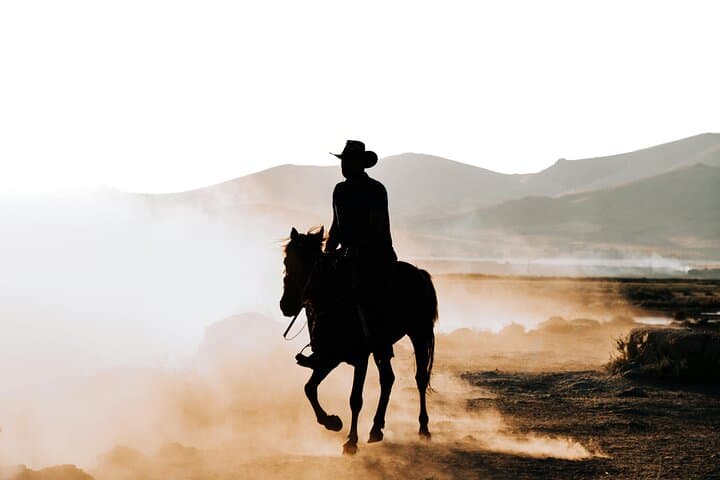
You climb into the saddle as the morning light cuts across the High Atlas ridgeline, Marrakech shrinking behind you and the scent of pine and cedar drawing you up into cooler air.
Verified experiences and guided adventures in the surrounding area.
Operated by Morocco luxury day tours · Marrakech, Marrakech-Safi
You climb into the saddle as the morning light cuts across the High Atlas ridgeline, Marrakech shrinking behind you and the scent of pine and cedar drawing you up into cooler air.
The route threads out of Tahnaout and into the Amanar forest—an expanse of tall pines that push wind and sunlight at your horse. Ahead the Kik Plateau unfurls: olive terraces, low stone walls, and mud-brick Berber hamlets that have watched the same peaks for generations.
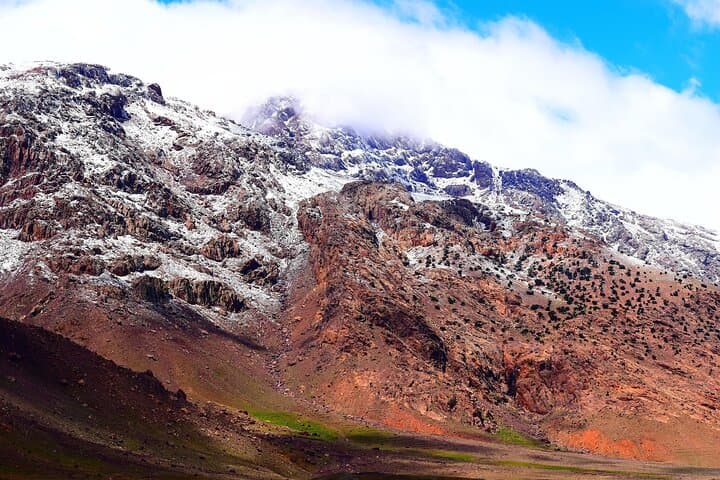
This landscape sits on folded Mesozoic limestone and older metamorphic rocks: rugged peaks giving way to forested plateaus and terraces carved by centuries of pastoral life. The people here are predominantly Amazigh (Berber); riding past shepherds and smoke-steamed tajine kitchens is as much cultural exchange as it is scenery.
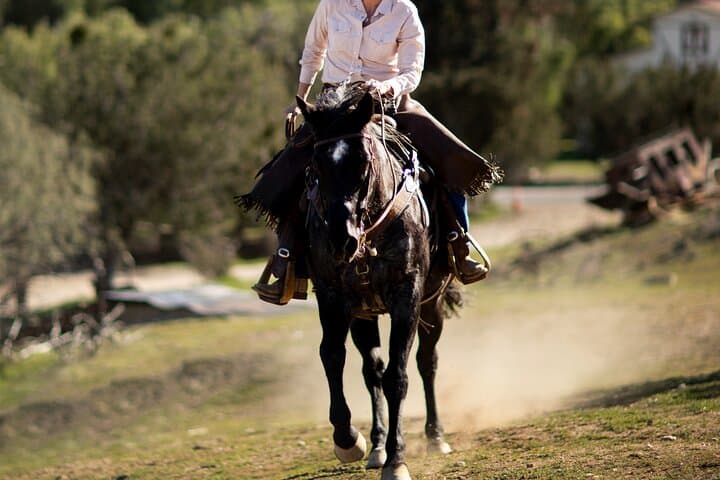
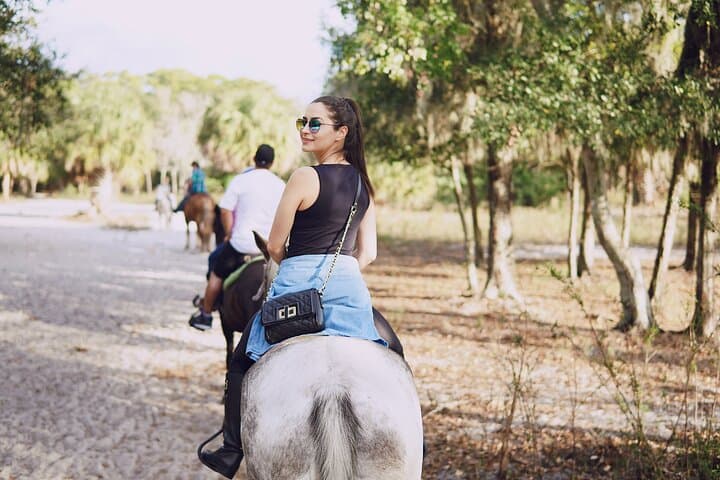
Expect a steady, four- to five-hour outing with long, comfortable trots and easier walking sections through pine stands and plateaus. Stops include a Berber family guesthouse for a tajine lunch and viewpoints over the Toubkal massif. Guides handle saddling and routing; no advanced equestrian skills are required, but a quiet seat and basic balance help.
Practical edge: wear sturdy, closed shoes with a slight heel, layer for variable mountain weather, and bring sunscreen, water, and a small daypack. Hydrate before you leave Marrakech—the mountains feel cool but the sun is strong.
This is an accessible way to move through High Atlas country: sensory, practical, and rooted in local life. The ride rewards patience—the landscape reveals itself in shifts, not grand gestures.
easy.
4–5 hours.
Suitable for most fitness levels; requires basic balance and ability to mount/dismount a horse.
No — the ride is aimed at beginners and intermediate riders; guides select calm horses and provide basic instructions before departure.
Most departures are from Marrakech with air-conditioned vehicle pickup; your booking will specify pickup points and timing.
Lunch is typically a traditional Berber tajine and bread served in a family guesthouse, with mint tea and simple mountain hospitality.
The tour is generally suitable for most adults and older children with basic mobility; it’s not recommended for pregnant travelers or people with serious spinal or heart conditions.
The High Atlas is traditional Amazigh (Berber) country; villages here use mud-brick construction and terraced farming practices that date back centuries. The area lies within corridors that feed into Toubkal National Park.
Respect grazing lands and village property, pack out trash, and favor local guides and family guesthouses — tourism income helps sustain mountain livelihoods and reduces pressure on fragile water resources.
Morocco luxury day tours operates guided outdoor trips and adventures with an emphasis on safety, stewardship, and memorable experiences.
You climb into the saddle as the morning light cuts across the High Atlas ridgeline, Marrakech shrinking behind you and the scent of pine and cedar drawing you up into cooler air.
You climb into the saddle as the morning light cuts across the High Atlas ridgeline, Marrakech shrinking behind you and the scent of pine and cedar drawing you up into cooler air.
The route threads out of Tahnaout and into the Amanar forest—an expanse of tall pines that push wind and sunlight at your horse. Ahead the Kik Plateau unfurls: olive terraces, low stone walls, and mud-brick Berber hamlets that have watched the same peaks for generations.
This landscape sits on folded Mesozoic limestone and older metamorphic rocks: rugged peaks giving way to forested plateaus and terraces carved by centuries of pastoral life. The people here are predominantly Amazigh (Berber); riding past shepherds and smoke-steamed tajine kitchens is as much cultural exchange as it is scenery.
Expect a steady, four- to five-hour outing with long, comfortable trots and easier walking sections through pine stands and plateaus. Stops include a Berber family guesthouse for a tajine lunch and viewpoints over the Toubkal massif. Guides handle saddling and routing; no advanced equestrian skills are required, but a quiet seat and basic balance help.
Practical edge: wear sturdy, closed shoes with a slight heel, layer for variable mountain weather, and bring sunscreen, water, and a small daypack. Hydrate before you leave Marrakech—the mountains feel cool but the sun is strong.
This is an accessible way to move through High Atlas country: sensory, practical, and rooted in local life. The ride rewards patience—the landscape reveals itself in shifts, not grand gestures.