THE ADVENTURE COLLECTIVE® · Independent discovery and booking for outdoor travel

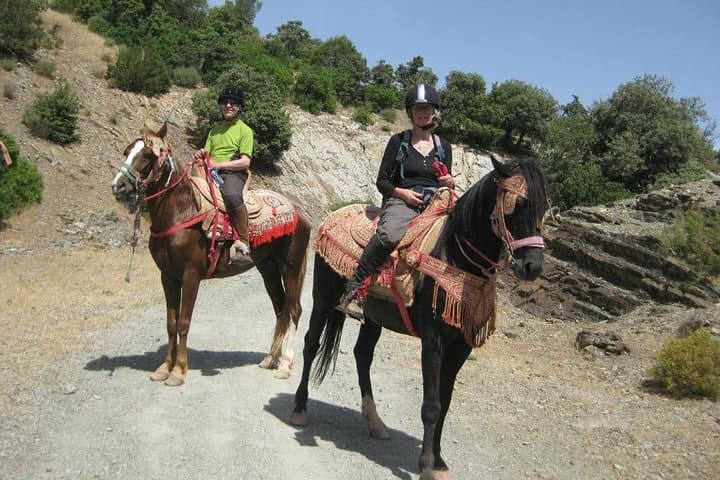
Ride out of Marrakech into the High Atlas on a full-day horseback tour that crosses oak forests, terraced valleys, and high viewpoints above Asni and Imlil. It’s an efficient introduction to Atlas geology, Amazigh village life, and classic mountain trails.
Ride out of Marrakech into the High Atlas on a full-day horseback tour that crosses oak forests, terraced valleys, and high viewpoints above Asni and Imlil. It’s an efficient introduction to Atlas geology, Amazigh village life, and classic mountain trails.
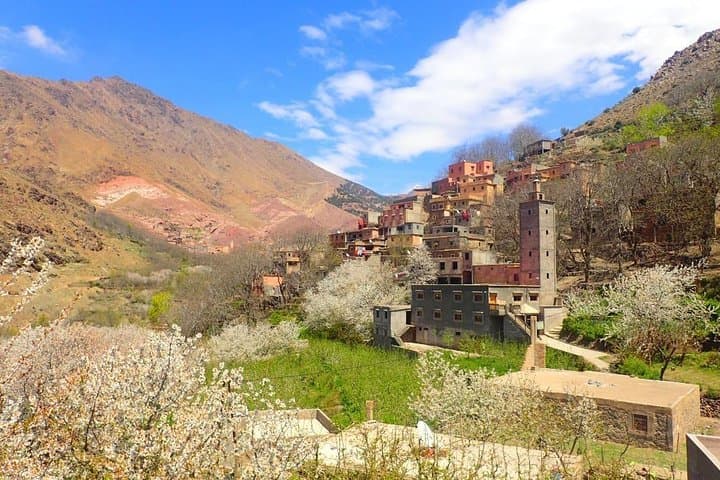
You leave Marrakech before dawn, the city’s ochre walls shrinking as the road climbs toward juniper-splashed foothills. By mid-morning the air tastes cooler and the trail broadens; your horse picks a steady rhythm while cedar and oak slope away to reveal the folded ridges of the High Atlas. The valley opens to a 1,300 m vantage where you can look down over Asni and the patchwork of terraced fields that carve the mountains.
Verified experiences and guided adventures in the surrounding area.
Operated by Marrakech experiences · Marrakech, Marrakech-Safi
You leave Marrakech before dawn, the city’s ochre walls shrinking as the road climbs toward juniper-splashed foothills. By mid-morning the air tastes cooler and the trail broadens; your horse picks a steady rhythm while cedar and oak slope away to reveal the folded ridges of the High Atlas. The valley opens to a 1,300 m vantage where you can look down over Asni and the patchwork of terraced fields that carve the mountains.
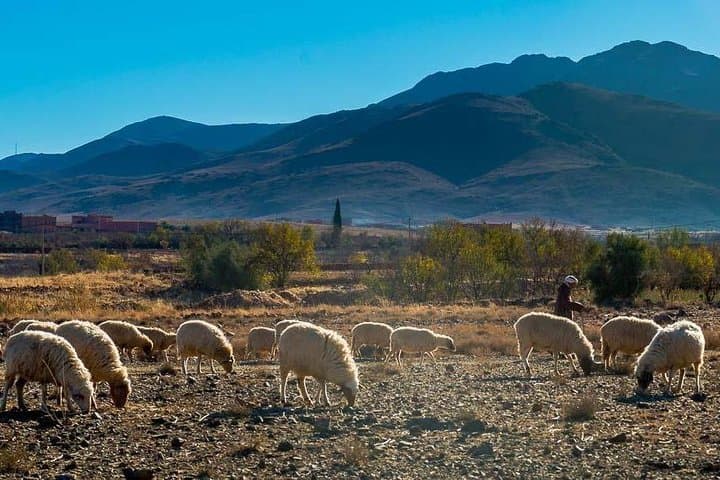
The High Atlas is both geologic spine and cultural border—molten rock uplifted over millennia, now home to Amazigh (Berber) villages whose terraces and irrigation channels reflect centuries of mountain agriculture. Along the ride your local guide points out old mule routes and tells stories of transhumance and seasonal festivals; the landscape still carries the work-worn geometry of pastoral life.
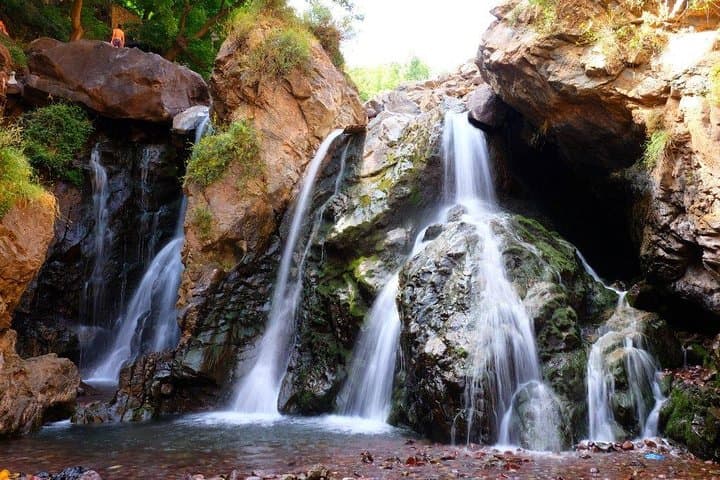
Expect varied terrain: dusty singletrack, rocky switchbacks, and shaded forest tracks. Horseback travel smooths the ups and downs, but a short walking stretch in Imlil introduces a lively mountain stream and close-up views of village life. Lunch in a village cafe centers the trip—local tagine and mint tea—and gives time to stretch before the return.
Practical edge: bring sun protection and layered clothing for temperature swings, water and snacks for energy, and closed-toe shoes with a low heel to ride safely. Listen to your guide for mounting, pacing, and signaling—horses respond to subtle cues here. Timing matters: mornings are cooler and light is best for photos; afternoon winds can pick up. The route is accessible to riders with basic experience, and the day trip format makes it an efficient way to sample Atlas landscapes without overnight logistics.
moderate.
7 hours.
Moderate; riders should be comfortable sitting for several hours and able to walk short stretches. No advanced fitness required.
No advanced skills are required; guides pair you with a suitable horse and provide basic instructions—comfortable balance and willingness to follow guidance are enough.
Yes—most operators include pick up and drop off from central Marrakech hotels; confirm your pickup point when booking.
Typical inclusions are round-trip transport, a guided horse ride, bottled water, and lunch—check the operator page for exact amenities.
Families are usually welcome; age rules vary so confirm minimum age and weight limits with the tour provider when booking.
The High Atlas has long been home to Amazigh communities who built terraced agriculture and mule tracks; those routes became the backbone of local trade and seasonal grazing practices.
Water is scarce in parts of the Atlas—practice low-impact tourism by avoiding single-use plastics, staying on established trails, and supporting local guides and village businesses.
Marrakech experiences operates guided outdoor trips and adventures with an emphasis on safety, stewardship, and memorable experiences.
You leave Marrakech before dawn, the city’s ochre walls shrinking as the road climbs toward juniper-splashed foothills. By mid-morning the air tastes cooler and the trail broadens; your horse picks a steady rhythm while cedar and oak slope away to reveal the folded ridges of the High Atlas. The valley opens to a 1,300 m vantage where you can look down over Asni and the patchwork of terraced fields that carve the mountains.
You leave Marrakech before dawn, the city’s ochre walls shrinking as the road climbs toward juniper-splashed foothills. By mid-morning the air tastes cooler and the trail broadens; your horse picks a steady rhythm while cedar and oak slope away to reveal the folded ridges of the High Atlas. The valley opens to a 1,300 m vantage where you can look down over Asni and the patchwork of terraced fields that carve the mountains.
The High Atlas is both geologic spine and cultural border—molten rock uplifted over millennia, now home to Amazigh (Berber) villages whose terraces and irrigation channels reflect centuries of mountain agriculture. Along the ride your local guide points out old mule routes and tells stories of transhumance and seasonal festivals; the landscape still carries the work-worn geometry of pastoral life.
Expect varied terrain: dusty singletrack, rocky switchbacks, and shaded forest tracks. Horseback travel smooths the ups and downs, but a short walking stretch in Imlil introduces a lively mountain stream and close-up views of village life. Lunch in a village cafe centers the trip—local tagine and mint tea—and gives time to stretch before the return.
Practical edge: bring sun protection and layered clothing for temperature swings, water and snacks for energy, and closed-toe shoes with a low heel to ride safely. Listen to your guide for mounting, pacing, and signaling—horses respond to subtle cues here. Timing matters: mornings are cooler and light is best for photos; afternoon winds can pick up. The route is accessible to riders with basic experience, and the day trip format makes it an efficient way to sample Atlas landscapes without overnight logistics.