THE ADVENTURE COLLECTIVE® · Independent discovery and booking for outdoor travel

Escape Marrakech for a full day among the High Atlas: short walks, a camel ride through a gorge, waterfall viewpoints and lunch in a Berber home—an accessible blend of scenery and culture.
Escape Marrakech for a full day among the High Atlas: short walks, a camel ride through a gorge, waterfall viewpoints and lunch in a Berber home—an accessible blend of scenery and culture.
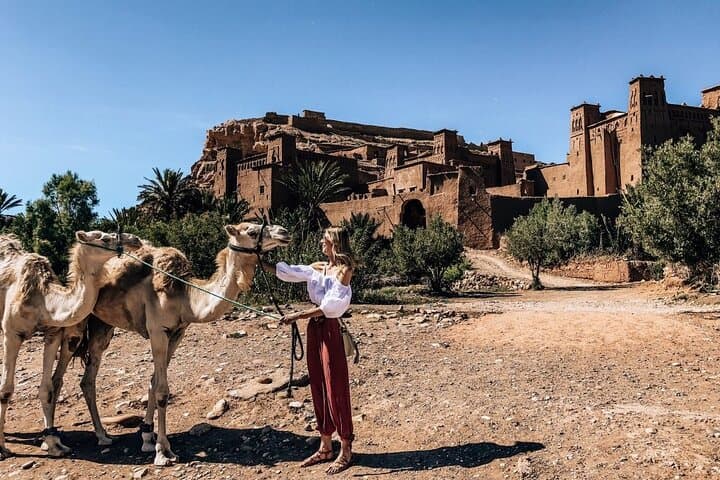
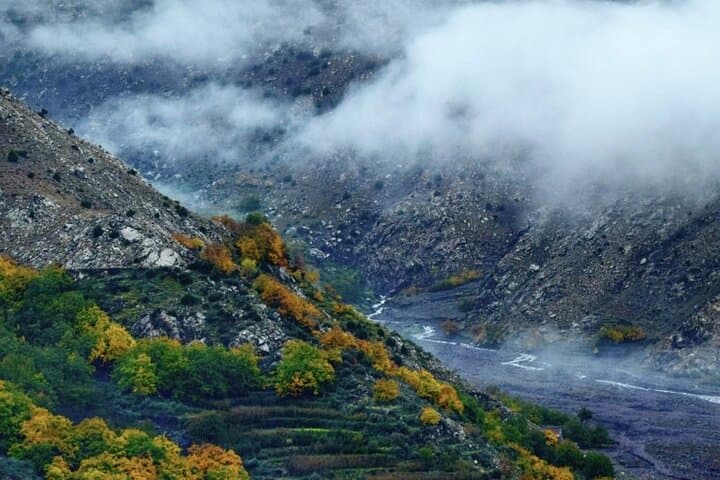
The day opens on a cool Marrakech morning, the city’s heat loosening as the minibus climbs toward the High Atlas. Passengers watch olive and argan-studded slopes give way to terraced orchards; a river threads the valley, daring you to lean closer. The itinerary stitches three distinct valleys—Ourika, Asni and Imlil—into a single loop of short walks, a brief camel ride through a wide gorge, and a home-cooked lunch in a Berber house at Tagadert.
Verified experiences and guided adventures in the surrounding area.
Operated by Fun Day trips from Marrakech. · Marrakech, Marrakech-Safi
The day opens on a cool Marrakech morning, the city’s heat loosening as the minibus climbs toward the High Atlas. Passengers watch olive and argan-studded slopes give way to terraced orchards; a river threads the valley, daring you to lean closer. The itinerary stitches three distinct valleys—Ourika, Asni and Imlil—into a single loop of short walks, a brief camel ride through a wide gorge, and a home-cooked lunch in a Berber house at Tagadert.
Geologically, the High Atlas is the product of the Africa–Eurasia collision; its folded limestone and volcanic outcrops create steep terraces where Berber farmers have pruned apple, almond and walnut trees for generations. Cultural stops include an argan co-operative where women demonstrate oil presses and a chance to meet villagers whose adobe homes cling to the slopes. Mount Toubkal—North Africa’s highest peak—dominates the skyline, a stark reminder of the range’s alpine scale.
Expect a mix of paved driving and short, uneven footpaths: climbs are moderate, mostly under two hours of walking scattered through the day. Practical notes: wear supportive footwear, sun protection and a light jacket for higher elevations; carry small change for co-ops and photos with animals. The camel ride is leisurely and short—more photo moment than trek—while the home lunch offers genuine Moroccan hospitality; guests should observe local customs and accept shoes-off etiquette.
This full-day loop balances scenery and culture, giving travelers a compact but textured impression of Atlas life, highland agriculture and the waterfalls that punctuate its valleys.
moderate.
8–9 hours.
Suitable for travelers in average fitness; involves several short hikes on uneven terrain and some standing during stops.
The tour runs about 8–9 hours (approximately 510 minutes) with pickup in the morning and a return to Marrakech in the late afternoon—around 17:30 depending on traffic.
No; the camel ride is short and geared toward photos and a gentle experience rather than a long trek—suitable for most travelers.
Lunch, bottled water and tea/coffee are included; bring extra cash for snacks, souvenirs or optional items at cooperatives.
The tour is family-friendly and described as suitable for all fitness levels, but participants with serious mobility or spinal issues should note there are uneven paths and short hikes.
Berber communities have farmed Atlas terraces for centuries; traditional practices and village architecture reflect a long history of mountain agriculture and trade routes south of the High Atlas.
Argan woodlands and mountain ecosystems face grazing pressure and water stress—supporting local cooperatives and staying on marked paths helps reduce impact.
Fun Day trips from Marrakech. operates guided outdoor trips and adventures with an emphasis on safety, stewardship, and memorable experiences.


The day opens on a cool Marrakech morning, the city’s heat loosening as the minibus climbs toward the High Atlas. Passengers watch olive and argan-studded slopes give way to terraced orchards; a river threads the valley, daring you to lean closer. The itinerary stitches three distinct valleys—Ourika, Asni and Imlil—into a single loop of short walks, a brief camel ride through a wide gorge, and a home-cooked lunch in a Berber house at Tagadert.
The day opens on a cool Marrakech morning, the city’s heat loosening as the minibus climbs toward the High Atlas. Passengers watch olive and argan-studded slopes give way to terraced orchards; a river threads the valley, daring you to lean closer. The itinerary stitches three distinct valleys—Ourika, Asni and Imlil—into a single loop of short walks, a brief camel ride through a wide gorge, and a home-cooked lunch in a Berber house at Tagadert.
Geologically, the High Atlas is the product of the Africa–Eurasia collision; its folded limestone and volcanic outcrops create steep terraces where Berber farmers have pruned apple, almond and walnut trees for generations. Cultural stops include an argan co-operative where women demonstrate oil presses and a chance to meet villagers whose adobe homes cling to the slopes. Mount Toubkal—North Africa’s highest peak—dominates the skyline, a stark reminder of the range’s alpine scale.
Expect a mix of paved driving and short, uneven footpaths: climbs are moderate, mostly under two hours of walking scattered through the day. Practical notes: wear supportive footwear, sun protection and a light jacket for higher elevations; carry small change for co-ops and photos with animals. The camel ride is leisurely and short—more photo moment than trek—while the home lunch offers genuine Moroccan hospitality; guests should observe local customs and accept shoes-off etiquette.
This full-day loop balances scenery and culture, giving travelers a compact but textured impression of Atlas life, highland agriculture and the waterfalls that punctuate its valleys.