THE ADVENTURE COLLECTIVE® · Independent discovery and booking for outdoor travel

Drive into the High Atlas for village trails, a guided walk to Imlil’s waterfalls, an argan cooperative visit, and a home-cooked Berber lunch. This relaxed full-day trip mixes light hiking with cultural stops and rooftop mountain views.
Drive into the High Atlas for village trails, a guided walk to Imlil’s waterfalls, an argan cooperative visit, and a home-cooked Berber lunch. This relaxed full-day trip mixes light hiking with cultural stops and rooftop mountain views.
Early morning light peels back Marrakech’s ochre walls as the minivan teeth into mountain road and the city noise thins to wind. The car climbs through the Tahanout and Asni valleys, terraces stepping up the slopes, with jagged High Atlas peaks keeping pace on the horizon. Villages of stone and flat roofs appear, smoke from hearths drifting through walnut orchards, and a narrow trail leads toward the Imlil waterfalls where water finds the easiest route and dares hikers to follow.
Verified experiences and guided adventures in the surrounding area.
Operated by Atlas Dream · Marrakech, Marrakesh-Safi
Early morning light peels back Marrakech’s ochre walls as the minivan teeth into mountain road and the city noise thins to wind. The car climbs through the Tahanout and Asni valleys, terraces stepping up the slopes, with jagged High Atlas peaks keeping pace on the horizon. Villages of stone and flat roofs appear, smoke from hearths drifting through walnut orchards, and a narrow trail leads toward the Imlil waterfalls where water finds the easiest route and dares hikers to follow.
Geology here is recent and restless: the Atlas range rose as Africa pressed into Eurasia, folding granite and schist into peaks that still shrink streams into sudden drops. Culturally, the valleys are Amazigh (Berber) country—agricultural communities shaped by seasonal irrigation and centuries of communal practices. A stop at an argan cooperative introduces an oil made from local fruit; later, a home-cooked lunch on a rooftop offers flavors anchored in preserved citrus, slow-cooked tagines, and sweet mint tea.
Practically: expect a relaxed full day (roughly 9:00–17:00) with a guided 1–2 hour walk on uneven village and mountain paths; transport is provided for participants who prefer to skip the walk. Wear supportive footwear, bring 1–2 liters of water, sun protection, and modest clothing when visiting homes. The tour runs small-group style (up to 15) with hotel pickup, and it’s ideal for travelers who want cultural exchange with light hiking. Respect local customs, carry small cash for purchases, and leave no trace—these valleys stay wild because visitors tread lightly.
moderate.
8 hours.
Suitable for travelers who can walk 1–2 hours on uneven terrain and handle short uphill sections
The guided walk is 1–2 hours through village trails and near the waterfalls; transport is available for anyone who prefers to stay in the village.
Yes—lunch is a home-cooked meal provided in a local house; inform the operator of dietary needs when booking so they can accommodate where possible.
Pickup normally starts around 9:00 a.m. with a return to Marrakech around 5:00 p.m.; confirm the exact pickup point or hotel collection when you book.
The tour is family-friendly and suitable for most ages; however, those with significant mobility issues may prefer to use the provided transport instead of walking.
The High Atlas has long been home to Amazigh (Berber) communities who farmed terraces and traded argan and fruit; many villages preserve communal practices and oral storytelling.
Visitors should minimize water use, avoid single-use plastics, and support local cooperatives that reinvest profits into community projects to sustain traditional livelihoods.
Atlas Dream operates guided outdoor trips and adventures with an emphasis on safety, stewardship, and memorable experiences.
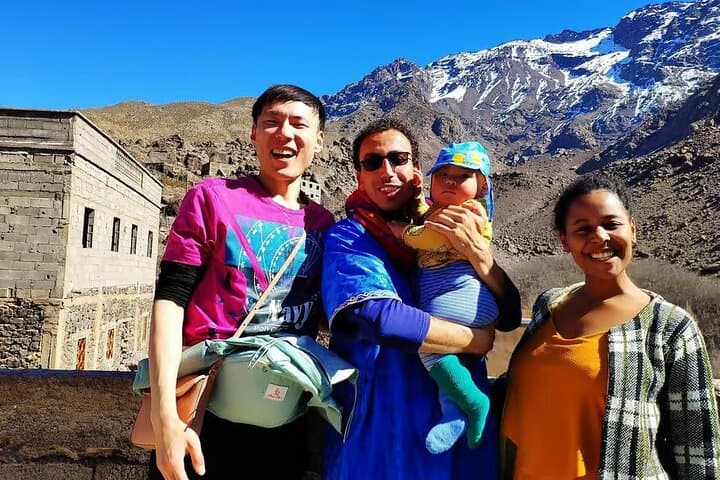
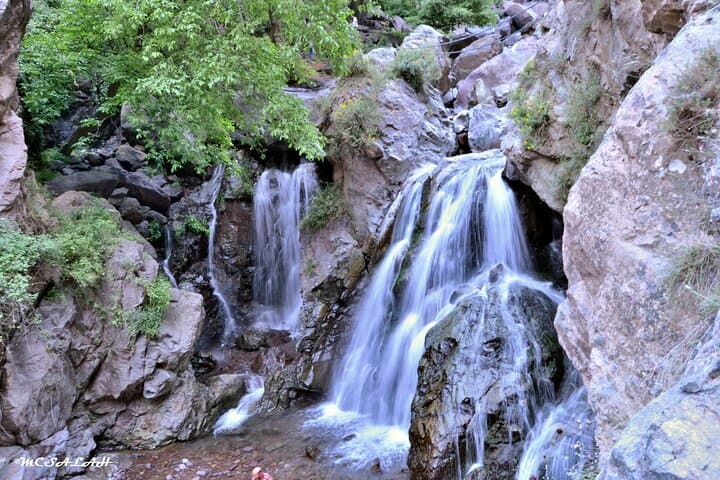
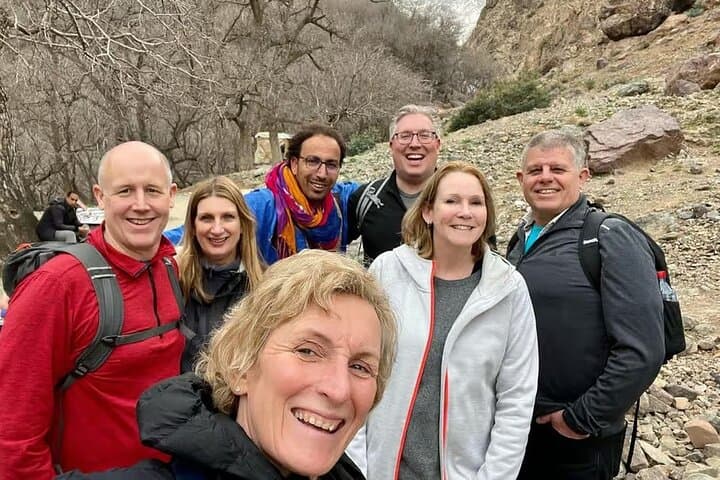
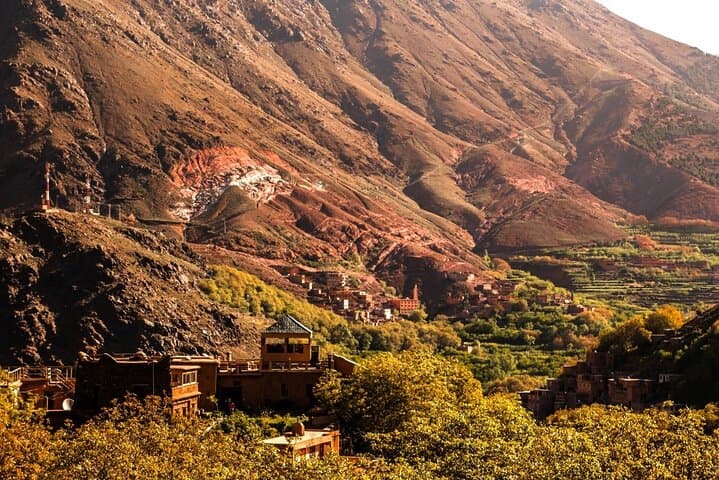
Early morning light peels back Marrakech’s ochre walls as the minivan teeth into mountain road and the city noise thins to wind. The car climbs through the Tahanout and Asni valleys, terraces stepping up the slopes, with jagged High Atlas peaks keeping pace on the horizon. Villages of stone and flat roofs appear, smoke from hearths drifting through walnut orchards, and a narrow trail leads toward the Imlil waterfalls where water finds the easiest route and dares hikers to follow.
Early morning light peels back Marrakech’s ochre walls as the minivan teeth into mountain road and the city noise thins to wind. The car climbs through the Tahanout and Asni valleys, terraces stepping up the slopes, with jagged High Atlas peaks keeping pace on the horizon. Villages of stone and flat roofs appear, smoke from hearths drifting through walnut orchards, and a narrow trail leads toward the Imlil waterfalls where water finds the easiest route and dares hikers to follow.
Geology here is recent and restless: the Atlas range rose as Africa pressed into Eurasia, folding granite and schist into peaks that still shrink streams into sudden drops. Culturally, the valleys are Amazigh (Berber) country—agricultural communities shaped by seasonal irrigation and centuries of communal practices. A stop at an argan cooperative introduces an oil made from local fruit; later, a home-cooked lunch on a rooftop offers flavors anchored in preserved citrus, slow-cooked tagines, and sweet mint tea.
Practically: expect a relaxed full day (roughly 9:00–17:00) with a guided 1–2 hour walk on uneven village and mountain paths; transport is provided for participants who prefer to skip the walk. Wear supportive footwear, bring 1–2 liters of water, sun protection, and modest clothing when visiting homes. The tour runs small-group style (up to 15) with hotel pickup, and it’s ideal for travelers who want cultural exchange with light hiking. Respect local customs, carry small cash for purchases, and leave no trace—these valleys stay wild because visitors tread lightly.