THE ADVENTURE COLLECTIVE® · Independent discovery and booking for outdoor travel

A full-day drive into the High Atlas that combines short guided hikes, panoramic viewpoints of North Africa’s highest peaks, and authentic Berber hospitality — including a home-cooked lunch and an argan co-op visit. Practical for travelers based in Marrakech seeking dramatic landscapes without overnight gear.
A full-day drive into the High Atlas that combines short guided hikes, panoramic viewpoints of North Africa’s highest peaks, and authentic Berber hospitality — including a home-cooked lunch and an argan co-op visit. Practical for travelers based in Marrakech seeking dramatic landscapes without overnight gear.
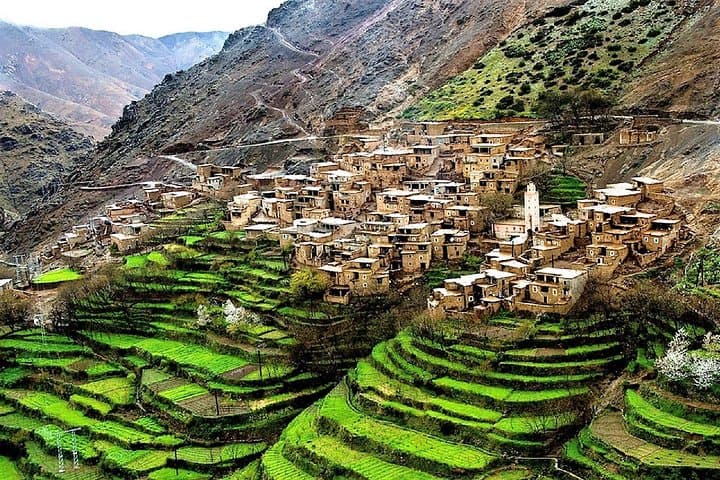
You leave Marrakech before dawn and the city’s ochre walls shrink behind you as the road climbs toward scrubby foothills and folded ridgelines. The air sharpens; peaks in the High Atlas poke through low cloud, and terraced villages perch on slopes like small, stubborn outposts. Vehicles slow at switchbacks—photographers and travelers step out to let the mountains take the frame.
Verified experiences and guided adventures in the surrounding area.
Operated by Morocco Inspiring Tours · Marrakech, Marrakech-Safi
You leave Marrakech before dawn and the city’s ochre walls shrink behind you as the road climbs toward scrubby foothills and folded ridgelines. The air sharpens; peaks in the High Atlas poke through low cloud, and terraced villages perch on slopes like small, stubborn outposts. Vehicles slow at switchbacks—photographers and travelers step out to let the mountains take the frame.
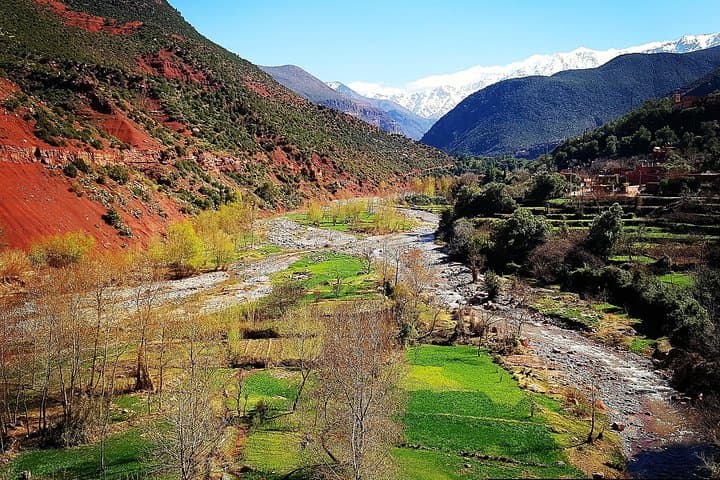
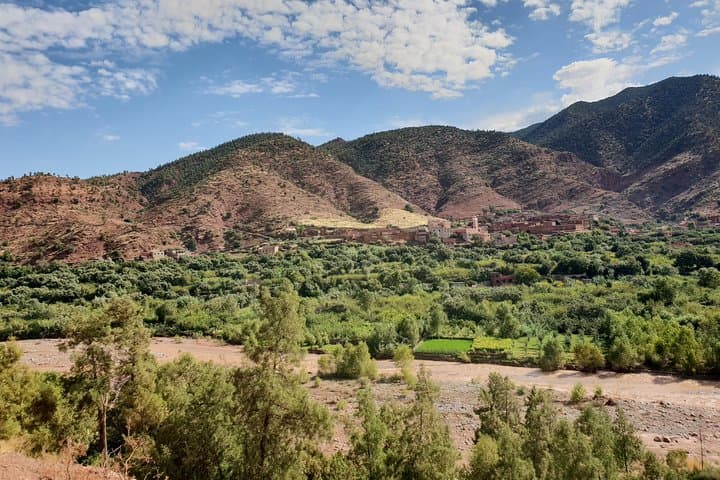
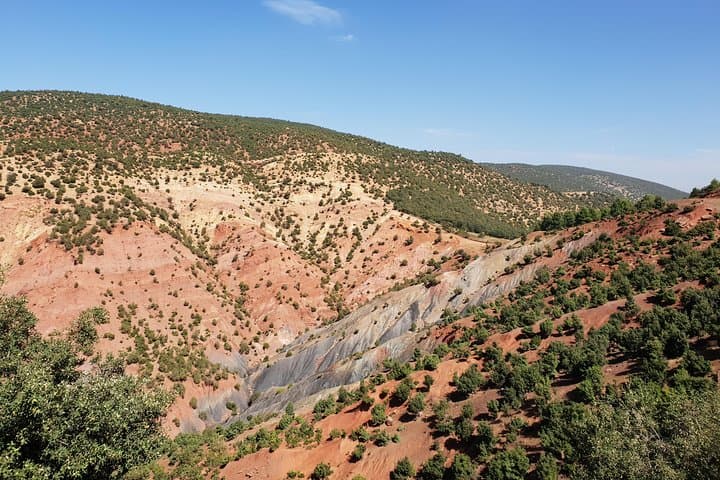
This full-day excursion threads together five distinct valleys — Asni, Oukaimden, Sidi Fares, Tahnaout and nearby hamlets — revealing layered geology of metamorphic and volcanic rock topped by scree slopes and irrigated terraces. The area has been shaped by millennia of Berber (Amazigh) agriculture and transhumant shepherding; local co-ops extract argan and preserve culinary traditions like tagine and couscous. Guides point out dry-stone walls, mule tracks and old irrigation channels that still feed villages below.
Expect a mix of paved mountain roads, short dirt tracks and a guided 60–90 minute hike on uneven, rocky trails and riverbanks. The trip offers panoramic viewpoints of Jbel Toubkal in the distance and hands-on cultural stops — a women’s argan co-op, riverside mint-tea breaks, and a home-cooked Berber lunch. Practical notes: bring layered clothing for rapid temperature swings (Marrakech is lowland-warm; valleys can be cool), sturdy shoes for the walking section, and a hat and water for sun exposure.
Plan for a 7–8 hour day, moderate altitude photos, and easy cultural interactions — leave space for slower pace in villages, and keep camera batteries charged.
easy.
7–8 hours.
Suitable for most fitness levels; be comfortable walking 1–2 hours on uneven trails and short elevation changes.
The guided walk is typically 60–90 minutes over uneven terrain along village tracks and riverside trails, suitable for most walkers.
Yes — a home-cooked Berber lunch, breakfast at an argan co-op, bottled mineral water and mint tea by the river are included.
Hotel, riad or Airbnb pickup and drop-off in Marrakech are included; confirm your exact pickup time with the local operator.
Vegetarian, vegan and gluten-free options are available if requested in advance during booking.
The High Atlas has been home to Amazigh (Berber) communities for centuries; terraces and stone villages reflect long-standing mountain agriculture and seasonal shepherding routes.
Water is scarce in many valleys and overuse damages terraces; stick to established trails, avoid single-use plastics, and support local co-ops to direct tourism income to communities.
Morocco Inspiring Tours operates guided outdoor trips and adventures with an emphasis on safety, stewardship, and memorable experiences.
You leave Marrakech before dawn and the city’s ochre walls shrink behind you as the road climbs toward scrubby foothills and folded ridgelines. The air sharpens; peaks in the High Atlas poke through low cloud, and terraced villages perch on slopes like small, stubborn outposts. Vehicles slow at switchbacks—photographers and travelers step out to let the mountains take the frame.
You leave Marrakech before dawn and the city’s ochre walls shrink behind you as the road climbs toward scrubby foothills and folded ridgelines. The air sharpens; peaks in the High Atlas poke through low cloud, and terraced villages perch on slopes like small, stubborn outposts. Vehicles slow at switchbacks—photographers and travelers step out to let the mountains take the frame.
This full-day excursion threads together five distinct valleys — Asni, Oukaimden, Sidi Fares, Tahnaout and nearby hamlets — revealing layered geology of metamorphic and volcanic rock topped by scree slopes and irrigated terraces. The area has been shaped by millennia of Berber (Amazigh) agriculture and transhumant shepherding; local co-ops extract argan and preserve culinary traditions like tagine and couscous. Guides point out dry-stone walls, mule tracks and old irrigation channels that still feed villages below.
Expect a mix of paved mountain roads, short dirt tracks and a guided 60–90 minute hike on uneven, rocky trails and riverbanks. The trip offers panoramic viewpoints of Jbel Toubkal in the distance and hands-on cultural stops — a women’s argan co-op, riverside mint-tea breaks, and a home-cooked Berber lunch. Practical notes: bring layered clothing for rapid temperature swings (Marrakech is lowland-warm; valleys can be cool), sturdy shoes for the walking section, and a hat and water for sun exposure.
Plan for a 7–8 hour day, moderate altitude photos, and easy cultural interactions — leave space for slower pace in villages, and keep camera batteries charged.