THE ADVENTURE COLLECTIVE® · Independent discovery and booking for outdoor travel

A three-day trek from Imlil into the Ait Ourika valley that balances accessible mountain walking with immersive Berber culture. Expect terraced fields, high passes, simple guesthouse nights, and fast-changing mountain weather.
A three-day trek from Imlil into the Ait Ourika valley that balances accessible mountain walking with immersive Berber culture. Expect terraced fields, high passes, simple guesthouse nights, and fast-changing mountain weather.
Dawn breaks over stony ridgelines as you step out of a small Berber house in Imlil, the air carrying the clean, mineral scent of the High Atlas. The trail climbs first through terraced fields where sheep find shade under olive trees, then presses higher to a pass that reveals the red-brown incision of the Ourika valley—rock and earth daring you to read their layers.
Verified experiences and guided adventures in the surrounding area.
Operated by Maachou Mohamed · Imlil, Marrakech-Safi
Dawn breaks over stony ridgelines as you step out of a small Berber house in Imlil, the air carrying the clean, mineral scent of the High Atlas. The trail climbs first through terraced fields where sheep find shade under olive trees, then presses higher to a pass that reveals the red-brown incision of the Ourika valley—rock and earth daring you to read their layers.
This route threads centuries of human and geological history: the stony walls map tectonic uplift, seasonal streams cut gorges that shepherds have used for generations, and scattered villages reflect Amazigh (Berber) culture with houses built from local stone and red clay. Geologically, the High Atlas is young and steep; expect switchbacks on rubble and hard-packed mule tracks. Culturally, tea is the currency of welcome—an invitation to slow down and listen.
Over three days you'll pass through Azzaden Valley villages, cross a high pass, and descend into Ait Ourika gorges. Nights are spent in simple guesthouses with shared dinners; meals emphasize local staples—tagines, flatbread, and mint tea. Weather moves fast: mountain wind can go from warm sun to sharp cold in hours, and trails may narrow to goat-worn ledges.
Practical guidance: plan for moderate aerobic effort and steady footing, carry at least 2–3 liters of water, and layer warm insulation for evenings. Respect private village spaces, leave no trace, and pace your ascent—altitude is gradual but real. With compact gear and basic navigation sense, this three-day escape delivers mountain views, cultural contact, and a tactile sense of place that lingers long after you return to Marrakech.
moderate.
3 days.
Suitable for hikers with moderate conditioning—regular stair or hill training recommended.
Rated easy-to-moderate: days include sustained uphill sections but not technical scrambling; basic fitness and steady pacing are sufficient.
Two nights in simple guesthouses or mountain lodges with communal dining; facilities are basic but comfortable.
A local guide is strongly recommended for navigation, cultural liaison, and access to village pathways—many operators include a guide.
Peaks are modest compared with high-altitude ranges, but ascending gradually, staying hydrated, and monitoring symptoms will reduce risk; report any severe headaches, nausea, or dizziness immediately.
The High Atlas has long been home to Amazigh (Berber) communities; villages along this route preserve traditional stone architecture and agricultural terraces that trace centuries of mountain life.
Water is scarce and trails are vulnerable to erosion—stick to established paths, avoid single-use plastics, and support local guesthouses that practice low-impact tourism.
Maachou Mohamed operates guided outdoor trips and adventures with an emphasis on safety, stewardship, and memorable experiences.
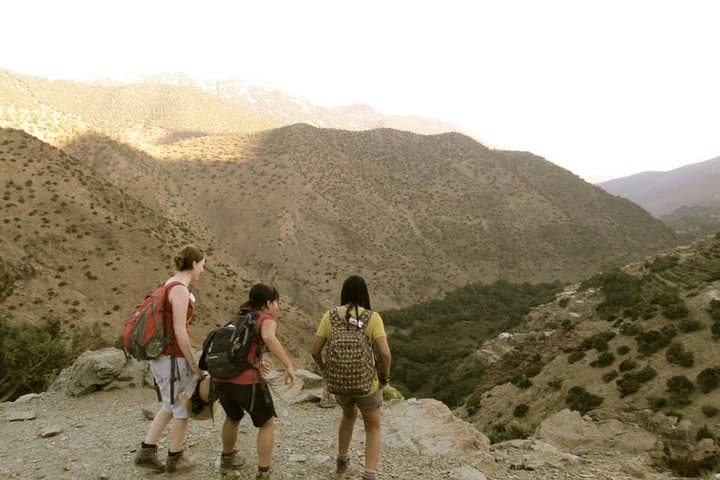
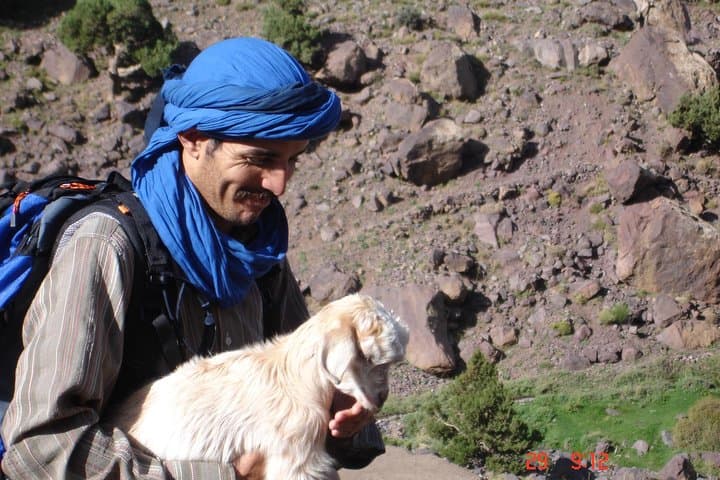
Dawn breaks over stony ridgelines as you step out of a small Berber house in Imlil, the air carrying the clean, mineral scent of the High Atlas. The trail climbs first through terraced fields where sheep find shade under olive trees, then presses higher to a pass that reveals the red-brown incision of the Ourika valley—rock and earth daring you to read their layers.
Dawn breaks over stony ridgelines as you step out of a small Berber house in Imlil, the air carrying the clean, mineral scent of the High Atlas. The trail climbs first through terraced fields where sheep find shade under olive trees, then presses higher to a pass that reveals the red-brown incision of the Ourika valley—rock and earth daring you to read their layers.
This route threads centuries of human and geological history: the stony walls map tectonic uplift, seasonal streams cut gorges that shepherds have used for generations, and scattered villages reflect Amazigh (Berber) culture with houses built from local stone and red clay. Geologically, the High Atlas is young and steep; expect switchbacks on rubble and hard-packed mule tracks. Culturally, tea is the currency of welcome—an invitation to slow down and listen.
Over three days you'll pass through Azzaden Valley villages, cross a high pass, and descend into Ait Ourika gorges. Nights are spent in simple guesthouses with shared dinners; meals emphasize local staples—tagines, flatbread, and mint tea. Weather moves fast: mountain wind can go from warm sun to sharp cold in hours, and trails may narrow to goat-worn ledges.
Practical guidance: plan for moderate aerobic effort and steady footing, carry at least 2–3 liters of water, and layer warm insulation for evenings. Respect private village spaces, leave no trace, and pace your ascent—altitude is gradual but real. With compact gear and basic navigation sense, this three-day escape delivers mountain views, cultural contact, and a tactile sense of place that lingers long after you return to Marrakech.