THE ADVENTURE COLLECTIVE® · Independent discovery and booking for outdoor travel

Two days of high‑Atlas walking from Marrakech to Imlil, over Tizi Mzik and Tizi Oudid passes, past juniper forests, terraced orchards and a 100m waterfall. Expect 5–6 hours of trekking per day, village guesthouse nights, and broad mountain views.
Two days of high‑Atlas walking from Marrakech to Imlil, over Tizi Mzik and Tizi Oudid passes, past juniper forests, terraced orchards and a 100m waterfall. Expect 5–6 hours of trekking per day, village guesthouse nights, and broad mountain views.
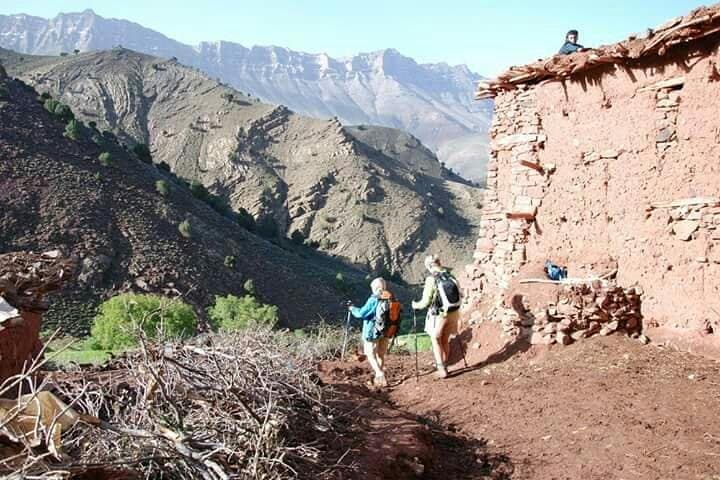
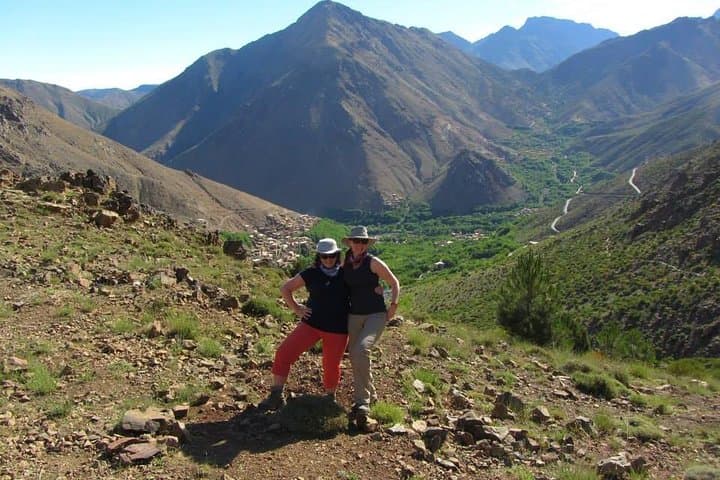
The day begins on a slow Moroccan road, Marrakech shrinking in the rearview as the High Atlas rises like a wall of ochre and stone. You step out in Imlil with a rucksack, juniper-scented air, and a guide who reads the valley like a map. The trail climbs through terraced orchards and berber hamlets, hairpin turns opening to broad views of Toubkal’s granite bulk.
Verified experiences and guided adventures in the surrounding area.
Operated by Maachou Mohamed · Imlil, Marrakesh-Safi
The day begins on a slow Moroccan road, Marrakech shrinking in the rearview as the High Atlas rises like a wall of ochre and stone. You step out in Imlil with a rucksack, juniper-scented air, and a guide who reads the valley like a map. The trail climbs through terraced orchards and berber hamlets, hairpin turns opening to broad views of Toubkal’s granite bulk.
Geology here is raw: folded sedimentary benches and volcanic intrusions carved by seasonal rivers into steep gullies. Human history is visible in the irrigation channels and stone houses — communities that have tended walnut and apple terraces for centuries. On day one the route crests Tizi Mzik (≈2684m) then drops to Tizi Oussem; you’ll pass the Tamsoulte waterfalls, one of the highest cascades in the range.
Day two follows the Assif Azzaden valley, across juniper and wild thyme, up Tizi Oudid (≈2000m) and down to riverside lunches beneath walnut groves before the late-afternoon transfer back to Marrakech.
Practical edge: expect 5–6 hours of walking most days over rocky, sometimes steep trails; basic scrambling may be required on short sections. Altitude is moderate but can make climbs feel harder — hydrate, layer, and use trekking poles for descents. Accommodation is in village guesthouses with simple, hearty Berber meals. Mobile signal is intermittent; carry cash for small purchases. Best start early to avoid mid-day sun and to take the valley light that turns the peaks golden in late afternoon.
moderate.
2 days (approx 5–6 hours hiking per day).
Participants should be in regular aerobic shape, comfortable with sustained uphill and downhill hiking at moderate altitude.
Moderate—expect sustained climbs and descents of several hours per day; no technical climbing but a good fitness base helps.
Passes reach about 2,000–2,700 meters, which can make exertion feel harder; allow time to acclimatize by pacing and hydrating.
Overnight is in village guesthouses (simple, heated rooms) with communal meals showcasing local Berber cuisine.
Not recommended for pregnant travelers; children must be accompanied by an adult and should be capable of long walks.
The valleys are long-inhabited Berber territory; irrigation terraces and stone homes reflect centuries of mountain agriculture and transhumant routes.
The High Atlas faces erosion and pressure from grazing; stick to trails, avoid cutting vegetation, and support local guesthouses that use responsible water and waste practices.
Maachou Mohamed operates guided outdoor trips and adventures with an emphasis on safety, stewardship, and memorable experiences.
The day begins on a slow Moroccan road, Marrakech shrinking in the rearview as the High Atlas rises like a wall of ochre and stone. You step out in Imlil with a rucksack, juniper-scented air, and a guide who reads the valley like a map. The trail climbs through terraced orchards and berber hamlets, hairpin turns opening to broad views of Toubkal’s granite bulk.
The day begins on a slow Moroccan road, Marrakech shrinking in the rearview as the High Atlas rises like a wall of ochre and stone. You step out in Imlil with a rucksack, juniper-scented air, and a guide who reads the valley like a map. The trail climbs through terraced orchards and berber hamlets, hairpin turns opening to broad views of Toubkal’s granite bulk.
Geology here is raw: folded sedimentary benches and volcanic intrusions carved by seasonal rivers into steep gullies. Human history is visible in the irrigation channels and stone houses — communities that have tended walnut and apple terraces for centuries. On day one the route crests Tizi Mzik (≈2684m) then drops to Tizi Oussem; you’ll pass the Tamsoulte waterfalls, one of the highest cascades in the range.
Day two follows the Assif Azzaden valley, across juniper and wild thyme, up Tizi Oudid (≈2000m) and down to riverside lunches beneath walnut groves before the late-afternoon transfer back to Marrakech.
Practical edge: expect 5–6 hours of walking most days over rocky, sometimes steep trails; basic scrambling may be required on short sections. Altitude is moderate but can make climbs feel harder — hydrate, layer, and use trekking poles for descents. Accommodation is in village guesthouses with simple, hearty Berber meals. Mobile signal is intermittent; carry cash for small purchases. Best start early to avoid mid-day sun and to take the valley light that turns the peaks golden in late afternoon.