THE ADVENTURE COLLECTIVE® · Independent discovery and booking for outdoor travel

Escape Marrakech for a day among the High Atlas: steep valleys, Berber villages, waterfalls and an argan cooperative. This guided trip blends easy walks, cultural visits, and scenic drives—perfect for travelers who want mountain air and local encounters without technical trekking.
Escape Marrakech for a day among the High Atlas: steep valleys, Berber villages, waterfalls and an argan cooperative. This guided trip blends easy walks, cultural visits, and scenic drives—perfect for travelers who want mountain air and local encounters without technical trekking.
You leave Marrakech’s ochre heat behind and climb into a high, rock-scored world where air thins and village roofs catch the light. The road climbs through Asni Valley, past terraced orchards, and settles onto a high plate where adobe houses cluster against the slope. Rivers braid through the valleys, daring you to follow their courses toward cool waterfalls and the shadow of North Africa’s highest peaks.
Verified experiences and guided adventures in the surrounding area.
Operated by Day Trips From Marrakech · Marrakech, Marrakech-Safi
You leave Marrakech’s ochre heat behind and climb into a high, rock-scored world where air thins and village roofs catch the light. The road climbs through Asni Valley, past terraced orchards, and settles onto a high plate where adobe houses cluster against the slope. Rivers braid through the valleys, daring you to follow their courses toward cool waterfalls and the shadow of North Africa’s highest peaks.
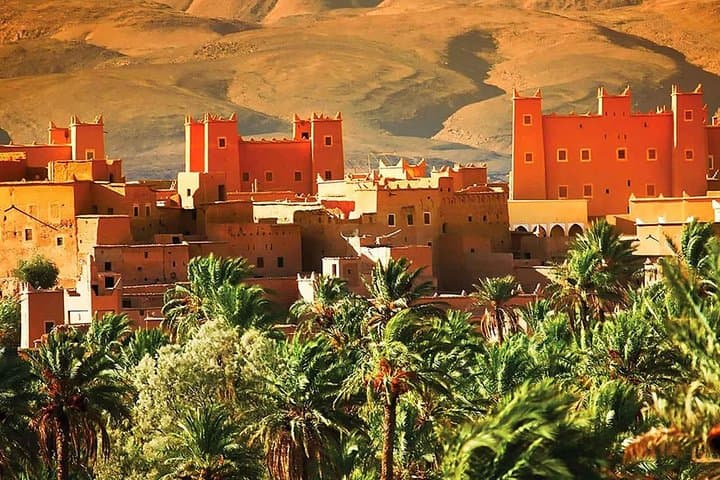
This route crosses the High Atlas, a young mountain chain shaped by tectonic push and Pleistocene glaciers; villages here are predominantly Amazigh (Berber), with centuries-old building methods—stone and mud—designed for thermal comfort and communal life. Local argan cooperatives and the small-scale orchards of Ait Souka reflect both tradition and a growing eco-tourism economy.
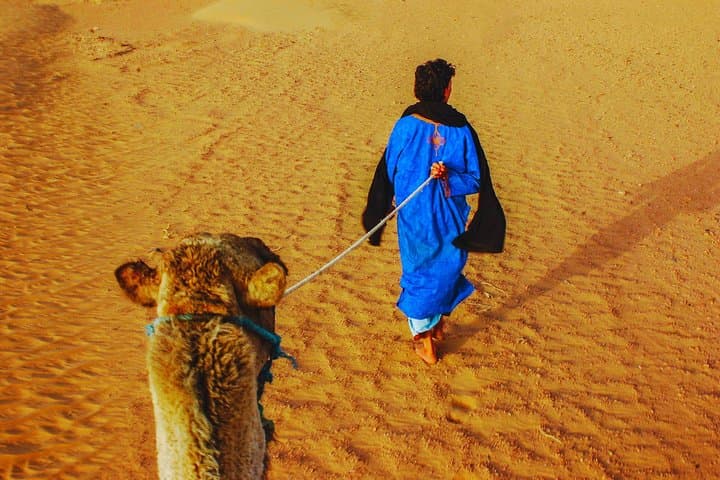
The day’s highlights: a short camel experience near the Agafay desert, a guided visit to a Berber household for an authentic lunch, a walk to waterfalls framed by apple and walnut trees, and a stop at an argan women’s cooperative. Expect dirt and paved roads, brief uphill stretches to viewpoints around 1,800 meters, and easy to moderate walking on uneven paths.
Practical guidance: start hydrated, wear sturdy shoes with good traction, and carry sun protection—mountain sun is fierce. Timing matters—mornings are cooler for walking and photos; afternoons bring warm light but also glare. Respect private homes and ask before photographing people. If you want quieter views of Toubkal, request a later stop in the Ait Souka orchards. The route is accessible for most fitness levels but includes short ascents and variable terrain—plan accordingly.
moderate.
7 hours (approx.).
Suitable for travelers in average fitness: short uphill walks, standing, and uneven surfaces; no technical climbing.
Pick-up and drop-off are provided at most Marrakech hotels; confirm your pickup point when booking.
The camel ride at Agafay is short and optional—suitable for beginners and children with no special skill required.
The tour includes a traditional Berber lunch and tea; bring extra snacks if you have specific dietary needs or long gaps between stops.
Stops reach around 1,800 meters—most travelers experience no problems, but take it easy if you are sensitive to altitude and stay hydrated.
The High Atlas has long been inhabited by Amazigh (Berber) communities whose stone-and-mud architecture and orchard cultivation reflect centuries of mountain adaptation.
Water is scarce in the region and tourist visits can strain local resources—support local cooperatives and follow leave-no-trace practices to reduce impact.
Day Trips From Marrakech operates guided outdoor trips and adventures with an emphasis on safety, stewardship, and memorable experiences.
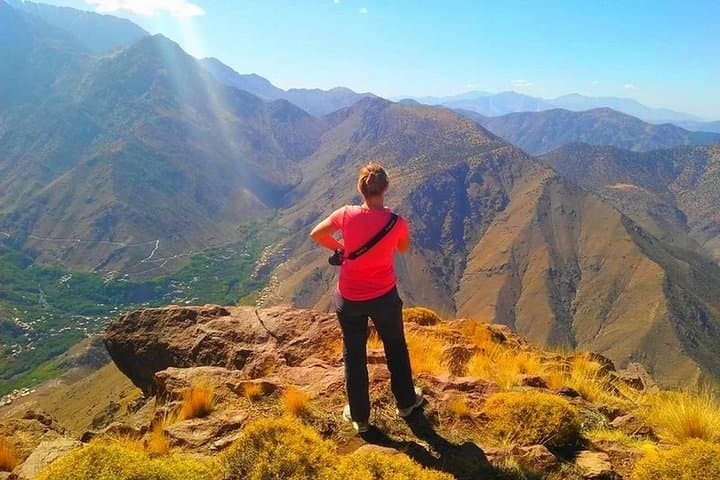
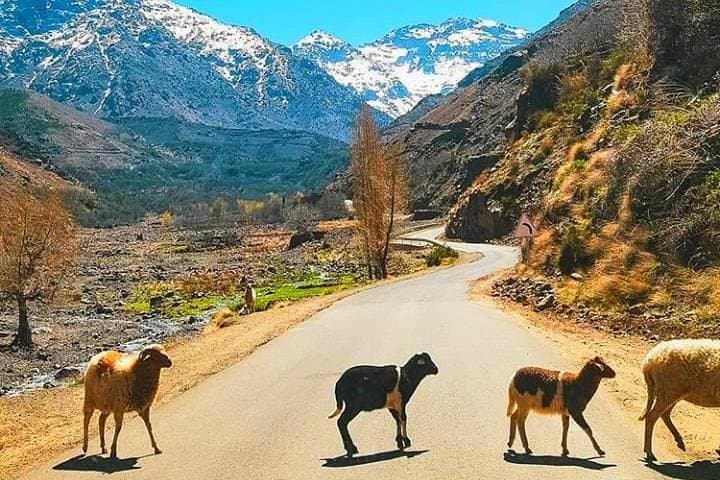
You leave Marrakech’s ochre heat behind and climb into a high, rock-scored world where air thins and village roofs catch the light. The road climbs through Asni Valley, past terraced orchards, and settles onto a high plate where adobe houses cluster against the slope. Rivers braid through the valleys, daring you to follow their courses toward cool waterfalls and the shadow of North Africa’s highest peaks.
You leave Marrakech’s ochre heat behind and climb into a high, rock-scored world where air thins and village roofs catch the light. The road climbs through Asni Valley, past terraced orchards, and settles onto a high plate where adobe houses cluster against the slope. Rivers braid through the valleys, daring you to follow their courses toward cool waterfalls and the shadow of North Africa’s highest peaks.
This route crosses the High Atlas, a young mountain chain shaped by tectonic push and Pleistocene glaciers; villages here are predominantly Amazigh (Berber), with centuries-old building methods—stone and mud—designed for thermal comfort and communal life. Local argan cooperatives and the small-scale orchards of Ait Souka reflect both tradition and a growing eco-tourism economy.
The day’s highlights: a short camel experience near the Agafay desert, a guided visit to a Berber household for an authentic lunch, a walk to waterfalls framed by apple and walnut trees, and a stop at an argan women’s cooperative. Expect dirt and paved roads, brief uphill stretches to viewpoints around 1,800 meters, and easy to moderate walking on uneven paths.
Practical guidance: start hydrated, wear sturdy shoes with good traction, and carry sun protection—mountain sun is fierce. Timing matters—mornings are cooler for walking and photos; afternoons bring warm light but also glare. Respect private homes and ask before photographing people. If you want quieter views of Toubkal, request a later stop in the Ait Souka orchards. The route is accessible for most fitness levels but includes short ascents and variable terrain—plan accordingly.