THE ADVENTURE COLLECTIVE® · Independent discovery and booking for outdoor travel

Swap Marrakech’s medina for an eight‑hour journey into the High Atlas: a scenic drive, a guided hike to Setti Fatma waterfalls, argan-cooperative visits, and a Berber lunch with Toubkal views. Ideal for travelers short on time who want authentic mountain landscapes and culture in a single day.
Swap Marrakech’s medina for an eight‑hour journey into the High Atlas: a scenic drive, a guided hike to Setti Fatma waterfalls, argan-cooperative visits, and a Berber lunch with Toubkal views. Ideal for travelers short on time who want authentic mountain landscapes and culture in a single day.
You leave Marrakech behind as the city’s heat and noise thin into a horizon of sculpted ridgelines and terraced fields.
Verified experiences and guided adventures in the surrounding area.
Operated by HCTours · Marrakech, Marrakech-Safi
You leave Marrakech behind as the city’s heat and noise thin into a horizon of sculpted ridgelines and terraced fields.
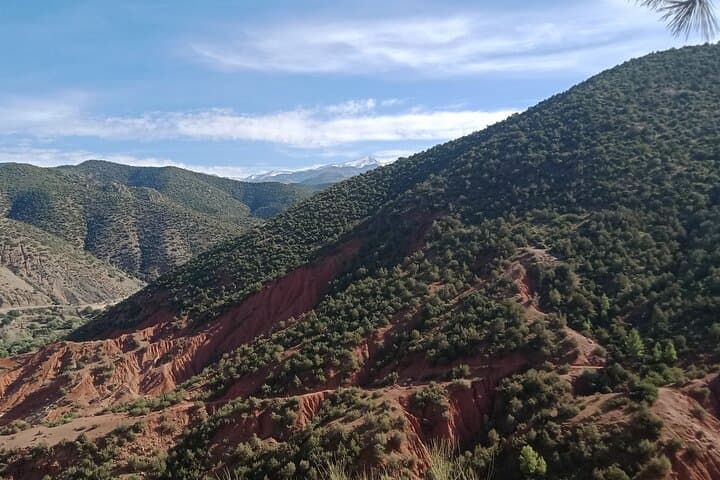
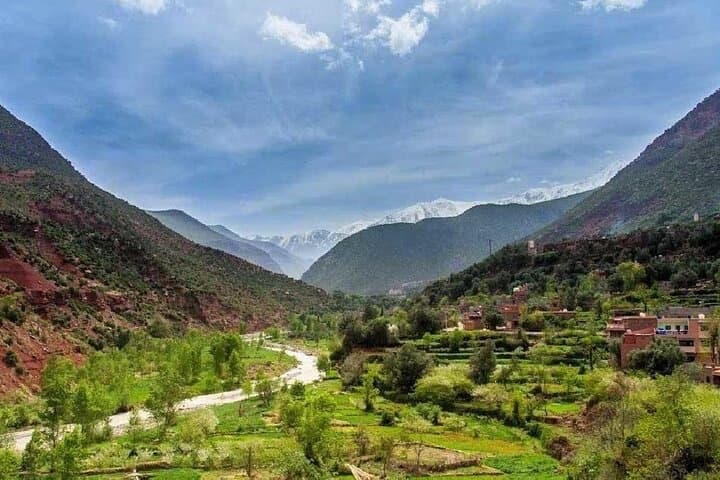
The road climbs, and soon the Atlas peaks loom—raw, folded rock capped with lingering snow that catches the light like a hard promise. In the Ourika Valley you trade tarmac for stone paths and a chorus of water: a stream that dares you to follow it upriver to Setti Fatma’s falls. The hike to the cascades is steady, stair-stepped in places, shaded by olive and almond trees, and punctuated by concrete terraces where Berber farmers tend cereal and vegetable plots the same way their grandparents did.
Geology here is immediate—glacially carved valleys and metamorphic ridges that direct weather and water into narrow, fertile bands. Culturally, the region remains strongly Berber: women run argan cooperatives using centuries-old cracking and pressing techniques, and small mountain houses of clay and straw sit in clusters that have resisted modern homogenization.
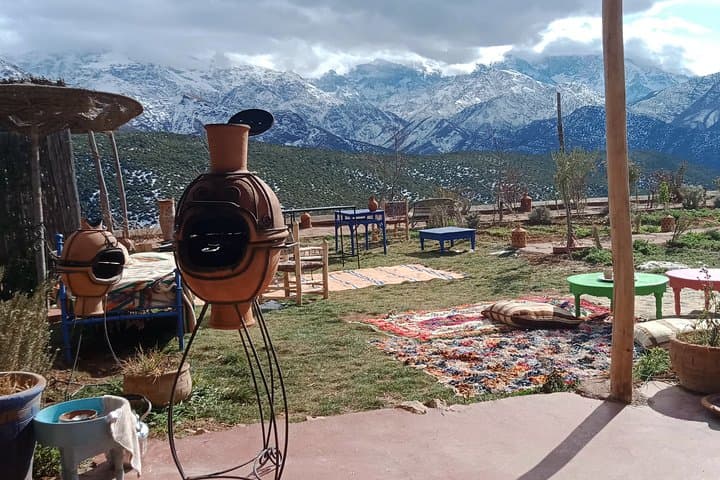
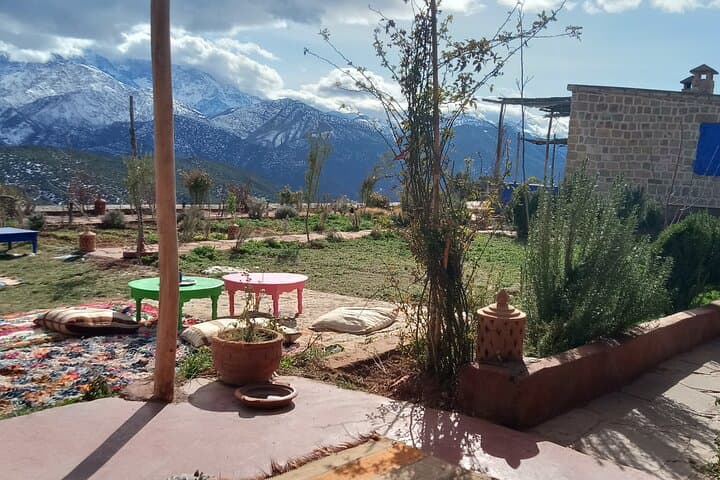
Expect a 1–2 hour guided walk to the falls, a visit to a local cooperative, and a traditional lunch in Sidi Fares with views toward Toubkal, North Africa’s highpoint. Practical notes: wear grippy shoes for wet stone steps, bring layered clothing (temperatures drop near the ridges), and carry cash for small purchases at cooperatives. Tours typically include pickup, bottled water, and lunch, making this a compact but full day—an efficient way to experience Atlas landscapes, local life, and a short mountain hike without multi-day logistics.
moderate.
8–10 hours.
Suitable for travelers in average fitness who can manage a few hours of walking on uneven terrain.
The guided walking portion to the waterfalls is typically about 1–2 hours round trip, depending on pace and how many stops you make.
Yes—many sections are family‑friendly, but uneven steps and short climbs may be challenging for very young children or guests with limited mobility.
Standard tours include hotel pickup and drop-off, private transport, bottled water, a guided hike, lunch in a Berber house, and a visit to an argan cooperative.
Tipping is customary in Morocco; small tips for guides and drivers are appreciated for good service.
The Ourika Valley has long been inhabited by Amazigh (Berber) communities; its villages and agricultural terraces reflect centuries of mountain adaptation and local craft traditions.
Heavy day‑trip traffic can strain trails and local water systems—support local cooperatives, avoid single‑use plastics, and stick to marked paths to reduce erosion.
HCTours operates guided outdoor trips and adventures with an emphasis on safety, stewardship, and memorable experiences.
You leave Marrakech behind as the city’s heat and noise thin into a horizon of sculpted ridgelines and terraced fields.
You leave Marrakech behind as the city’s heat and noise thin into a horizon of sculpted ridgelines and terraced fields.
The road climbs, and soon the Atlas peaks loom—raw, folded rock capped with lingering snow that catches the light like a hard promise. In the Ourika Valley you trade tarmac for stone paths and a chorus of water: a stream that dares you to follow it upriver to Setti Fatma’s falls. The hike to the cascades is steady, stair-stepped in places, shaded by olive and almond trees, and punctuated by concrete terraces where Berber farmers tend cereal and vegetable plots the same way their grandparents did.
Geology here is immediate—glacially carved valleys and metamorphic ridges that direct weather and water into narrow, fertile bands. Culturally, the region remains strongly Berber: women run argan cooperatives using centuries-old cracking and pressing techniques, and small mountain houses of clay and straw sit in clusters that have resisted modern homogenization.
Expect a 1–2 hour guided walk to the falls, a visit to a local cooperative, and a traditional lunch in Sidi Fares with views toward Toubkal, North Africa’s highpoint. Practical notes: wear grippy shoes for wet stone steps, bring layered clothing (temperatures drop near the ridges), and carry cash for small purchases at cooperatives. Tours typically include pickup, bottled water, and lunch, making this a compact but full day—an efficient way to experience Atlas landscapes, local life, and a short mountain hike without multi-day logistics.