THE ADVENTURE COLLECTIVE® · Independent discovery and booking for outdoor travel

Escape Marrakech for a day in the Ourika Valley and lower Atlas foothills—short hikes, home-cooked Berber lunch, argan cooperatives, and accessible waterfalls. Practical for first-time trekkers and culture-minded travelers.
Escape Marrakech for a day in the Ourika Valley and lower Atlas foothills—short hikes, home-cooked Berber lunch, argan cooperatives, and accessible waterfalls. Practical for first-time trekkers and culture-minded travelers.
You step out of Marrakech’s dust and into a cooler, green hollow—river water chuckling over stones, argan trees leaning like old neighbors, and a line of low, flat-roofed houses clinging to terraces.
Verified experiences and guided adventures in the surrounding area.
Operated by Atlas Mountains & Marrakech Day Tour · Marrakech, Marrakech-Safi
You step out of Marrakech’s dust and into a cooler, green hollow—river water chuckling over stones, argan trees leaning like old neighbors, and a line of low, flat-roofed houses clinging to terraces.
This day trip threads through the Ourika Valley and lower Atlas foothills, where the landscape was carved by tectonic lift and millennia of winter runoff. Berber communities have farmed these slopes for centuries; you’ll pass argan cooperatives where women press oil by hand and small family homes that offer mint tea with guests.
Geology here is blunt: folded limestone and schist that form steep ridges and gullies, with seasonal streams that wake in late winter and spring. Culture is practical and hospitable—trades, mules, and stepped fields still define daily life. Nature here has personality: the river dares you to cross shallow fords, and the terraces push vineyards and walnuts toward the light.
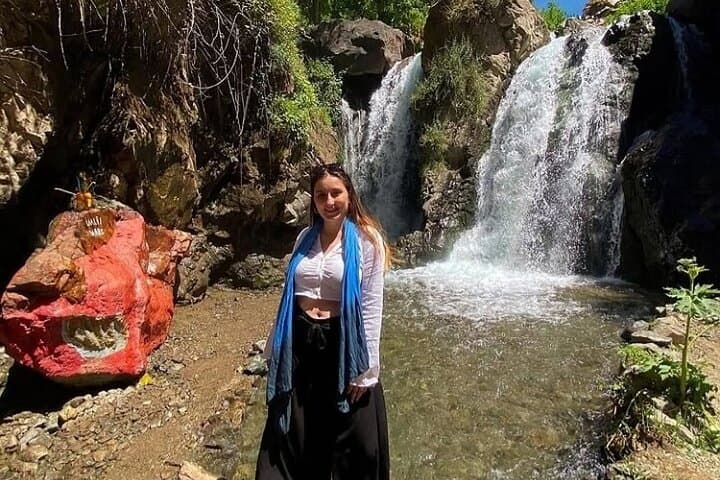
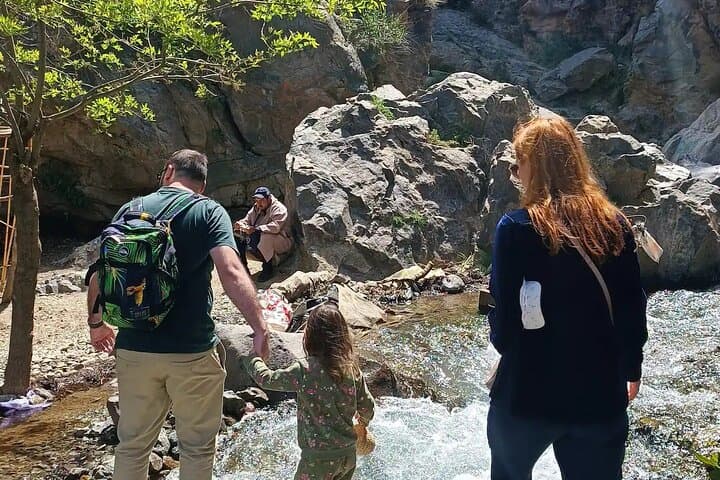
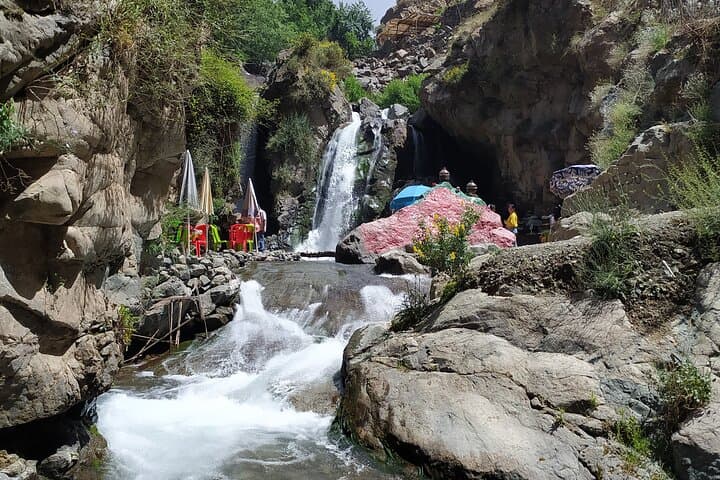
On the trail you’ll encounter short walks to waterfalls (well-formed paths, some rocky), viewpoints above villages, and the kind of home-cooked lunch that includes tagine and fresh bread. Expect basic facilities in villages and family-run stops rather than developed tourist infrastructure.
Practical guidance: start early to avoid midday heat, wear sturdy shoes for uneven rocky paths, carry water and cash for small purchases, and respect local dress codes—modest clothing eases interactions. If you’re aiming for the higher Atlas or long treks, this trip is an accessible primer; for alpine routes, bring warmer layers and check weather for possible snow in winter. The day balances easy hiking, cultural exchange, and landscape that feels lived-in rather than staged.
easy.
7 hours.
Light walking ability; suitable for most fitness levels with short hikes of 20–60 minutes.
Yes—most operators include pickup and drop-off from central Marrakech hotels; confirm your pickup point when booking.
Some itineraries include camel or mule experiences in nearby desert areas, but in the Ourika Valley the focus is on short walks and village visits—verify with the operator before booking.
Yes—this is marketed as suitable for all fitness levels; walks are short but uneven, so supervise children and consider mobility limitations.
Yes—many stops include cooperatives where you can see oil production and purchase locally made argan products with cash preferred.
The Ourika Valley has long been inhabited by Amazigh (Berber) communities who terraced slopes for agriculture and maintained local craft traditions such as argan oil production.
Tourism impacts water and waste in small valleys—use refillable bottles, support reputed cooperatives, and stick to marked paths to limit erosion.
Atlas Mountains & Marrakech Day Tour operates guided outdoor trips and adventures with an emphasis on safety, stewardship, and memorable experiences.
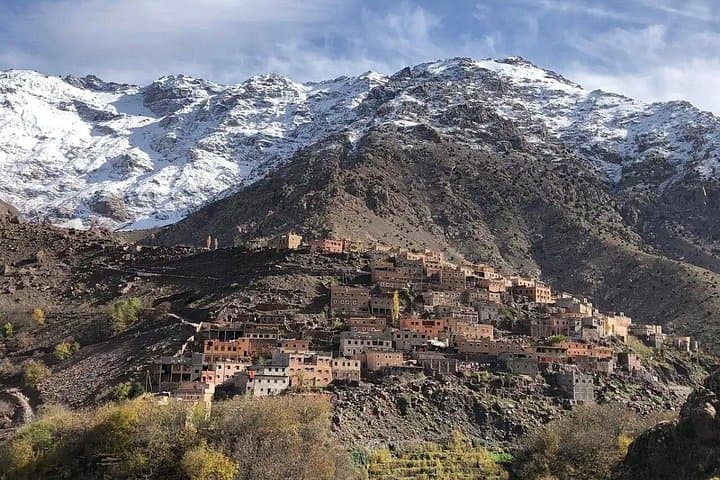
You step out of Marrakech’s dust and into a cooler, green hollow—river water chuckling over stones, argan trees leaning like old neighbors, and a line of low, flat-roofed houses clinging to terraces.
You step out of Marrakech’s dust and into a cooler, green hollow—river water chuckling over stones, argan trees leaning like old neighbors, and a line of low, flat-roofed houses clinging to terraces.
This day trip threads through the Ourika Valley and lower Atlas foothills, where the landscape was carved by tectonic lift and millennia of winter runoff. Berber communities have farmed these slopes for centuries; you’ll pass argan cooperatives where women press oil by hand and small family homes that offer mint tea with guests.
Geology here is blunt: folded limestone and schist that form steep ridges and gullies, with seasonal streams that wake in late winter and spring. Culture is practical and hospitable—trades, mules, and stepped fields still define daily life. Nature here has personality: the river dares you to cross shallow fords, and the terraces push vineyards and walnuts toward the light.
On the trail you’ll encounter short walks to waterfalls (well-formed paths, some rocky), viewpoints above villages, and the kind of home-cooked lunch that includes tagine and fresh bread. Expect basic facilities in villages and family-run stops rather than developed tourist infrastructure.
Practical guidance: start early to avoid midday heat, wear sturdy shoes for uneven rocky paths, carry water and cash for small purchases, and respect local dress codes—modest clothing eases interactions. If you’re aiming for the higher Atlas or long treks, this trip is an accessible primer; for alpine routes, bring warmer layers and check weather for possible snow in winter. The day balances easy hiking, cultural exchange, and landscape that feels lived-in rather than staged.