THE ADVENTURE COLLECTIVE® · Independent discovery and booking for outdoor travel

Escape Marrakech for a five-hour drive into the High Atlas. Visit the Ourika, Sidi Fares and Asni valleys, watch terraced orchards climb toward snow-capped Toubkal, and share lunch in a Berber house while learning about argan oil production.
Escape Marrakech for a five-hour drive into the High Atlas. Visit the Ourika, Sidi Fares and Asni valleys, watch terraced orchards climb toward snow-capped Toubkal, and share lunch in a Berber house while learning about argan oil production.
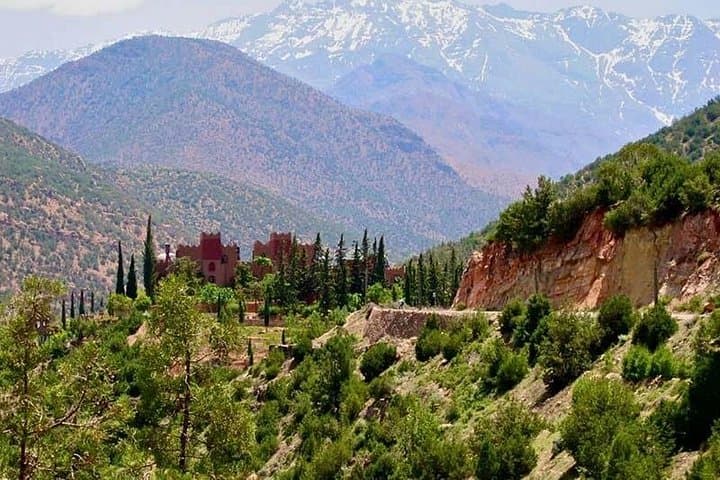
The day begins with an 8:00 a.m. pickup in Marrakech and a slow climb out of the ochre city into the high Atlas foothills. Roadside argan trees lean toward the highway; the Ourika River hurries below, daring you to step closer for a better view. Villages appear like clusters of ochre and stone, and every bend opens a new frame of terraced fields and peaks.
Verified experiences and guided adventures in the surrounding area.
Operated by Marrakech Outdoor · Marrakech, Marrakech-Safi
The day begins with an 8:00 a.m. pickup in Marrakech and a slow climb out of the ochre city into the high Atlas foothills. Roadside argan trees lean toward the highway; the Ourika River hurries below, daring you to step closer for a better view. Villages appear like clusters of ochre and stone, and every bend opens a new frame of terraced fields and peaks.
Geology here is raw—folded sandstone and volcanic intrusions rising to the High Atlas, with Mount Toubkal visible at 4,167 m on a clear day. The area is home to Berber communities whose agriculture shaped the landscape: apple orchards in Sidi Fares sit above 1,900 m, while Asni’s greener valley supports walnut and fruit trees. Argan cooperatives, run largely by women, process the region’s unique nuts into culinary and cosmetic oil—a local industry with deep cultural roots.
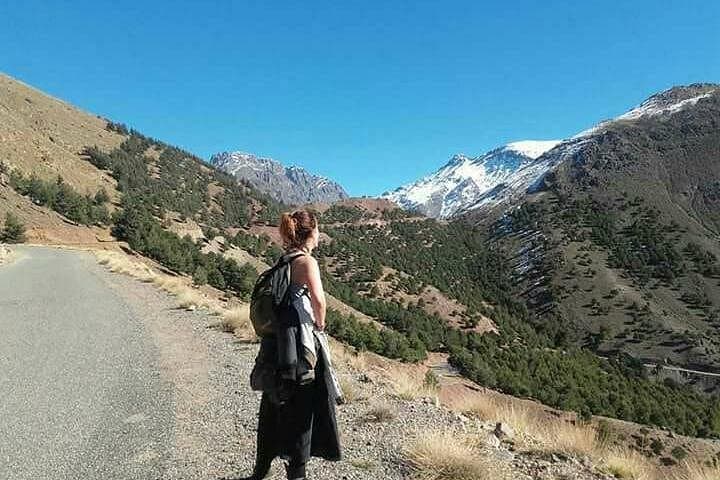
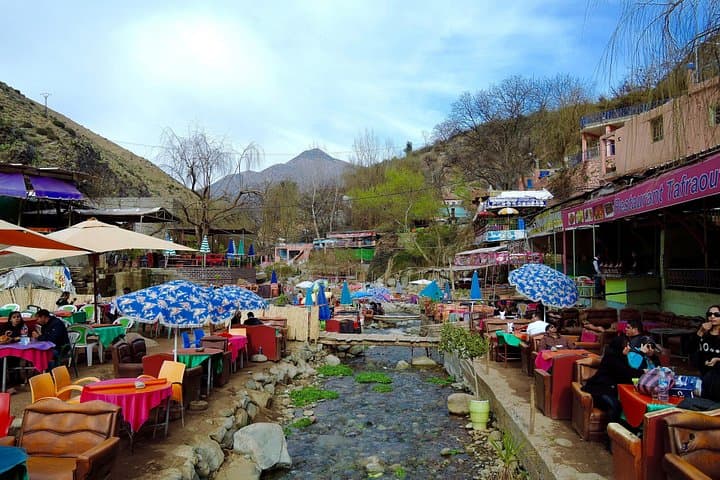
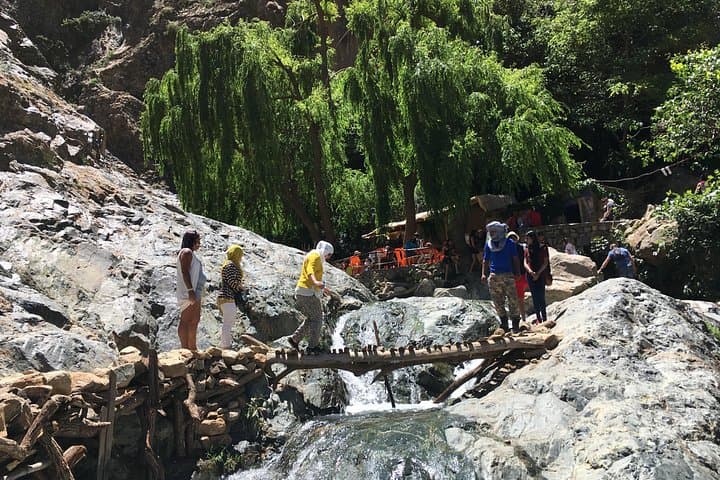
Practical guidance: expect several short stops for photos, a visit to an argan cooperative (optional), and a communal lunch in a Berber house overlooking the range. The tour covers about 5 hours total; actual driving can include steep, narrow mountain roads. Bring layered clothing for temperature swings, sun protection, and enough water. Footwear should be sturdy but not technical—walking is light but across uneven village paths.
Respect local customs: ask before photographing people, carry small denominations of cash for purchases, and consider reusable packaging to minimize waste. The route offers accessible mountain scenery without a full-day trek—an efficient way to experience the Atlas culture, geology, and vistas on a single, scenic outing.
easy.
5 hours.
Suitable for most fitness levels; minimal walking on uneven village paths and viewpoints
Pickup is typically at 8:00 a.m. in Marrakech with return in the early afternoon; the tour duration is approximately five hours.
Yes—lunch in a Berber house is included, with vegetarian options available if requested at booking.
Yes; infant seats are available and the trip is rated easy, but bring essentials for young children and inform the operator when booking.
Yes—stops at women-led argan cooperatives are common and optional; purchases support local producers.
Berber communities have farmed these valleys for centuries; terrace agriculture and communal argan processing reflect long-standing local practices.
The argan ecosystem is regionally important and increasingly protected—support sustainable cooperatives, avoid disturbing wildlife, and reduce plastic waste during visits.
Marrakech Outdoor operates guided outdoor trips and adventures with an emphasis on safety, stewardship, and memorable experiences.
The day begins with an 8:00 a.m. pickup in Marrakech and a slow climb out of the ochre city into the high Atlas foothills. Roadside argan trees lean toward the highway; the Ourika River hurries below, daring you to step closer for a better view. Villages appear like clusters of ochre and stone, and every bend opens a new frame of terraced fields and peaks.
The day begins with an 8:00 a.m. pickup in Marrakech and a slow climb out of the ochre city into the high Atlas foothills. Roadside argan trees lean toward the highway; the Ourika River hurries below, daring you to step closer for a better view. Villages appear like clusters of ochre and stone, and every bend opens a new frame of terraced fields and peaks.
Geology here is raw—folded sandstone and volcanic intrusions rising to the High Atlas, with Mount Toubkal visible at 4,167 m on a clear day. The area is home to Berber communities whose agriculture shaped the landscape: apple orchards in Sidi Fares sit above 1,900 m, while Asni’s greener valley supports walnut and fruit trees. Argan cooperatives, run largely by women, process the region’s unique nuts into culinary and cosmetic oil—a local industry with deep cultural roots.
Practical guidance: expect several short stops for photos, a visit to an argan cooperative (optional), and a communal lunch in a Berber house overlooking the range. The tour covers about 5 hours total; actual driving can include steep, narrow mountain roads. Bring layered clothing for temperature swings, sun protection, and enough water. Footwear should be sturdy but not technical—walking is light but across uneven village paths.
Respect local customs: ask before photographing people, carry small denominations of cash for purchases, and consider reusable packaging to minimize waste. The route offers accessible mountain scenery without a full-day trek—an efficient way to experience the Atlas culture, geology, and vistas on a single, scenic outing.