THE ADVENTURE COLLECTIVE® · Independent discovery and booking for outdoor travel

Spend a day off the Marrakech grid exploring the High Atlas on foot and by camel. Visit an argan cooperative, hike toward waterfalls and share a home-cooked Berber lunch in a mountain village.
Spend a day off the Marrakech grid exploring the High Atlas on foot and by camel. Visit an argan cooperative, hike toward waterfalls and share a home-cooked Berber lunch in a mountain village.
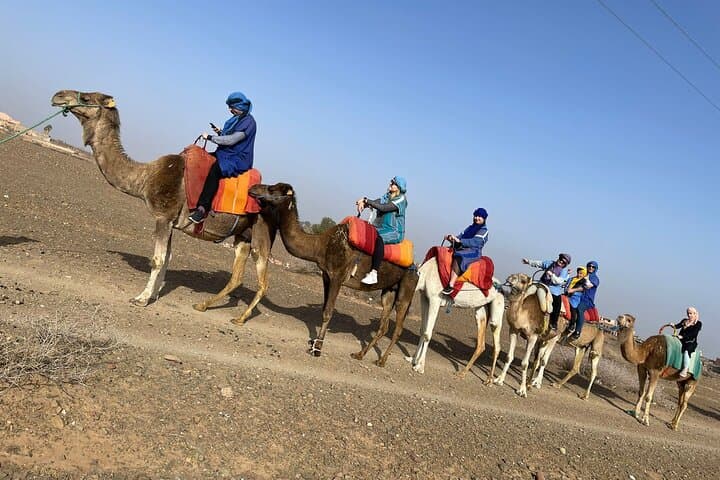
The morning air off Marrakech thins as the road climbs into granite ribs and scrub pine — a convoy of vehicles threads toward the Atlas, and the day begins with the creak of a camel saddle and a low, steady pace across ochre plains.
Verified experiences and guided adventures in the surrounding area.
Operated by Fun Day trips from Marrakech. · Imlil, Marrakech-Safi
The morning air off Marrakech thins as the road climbs into granite ribs and scrub pine — a convoy of vehicles threads toward the Atlas, and the day begins with the creak of a camel saddle and a low, steady pace across ochre plains.
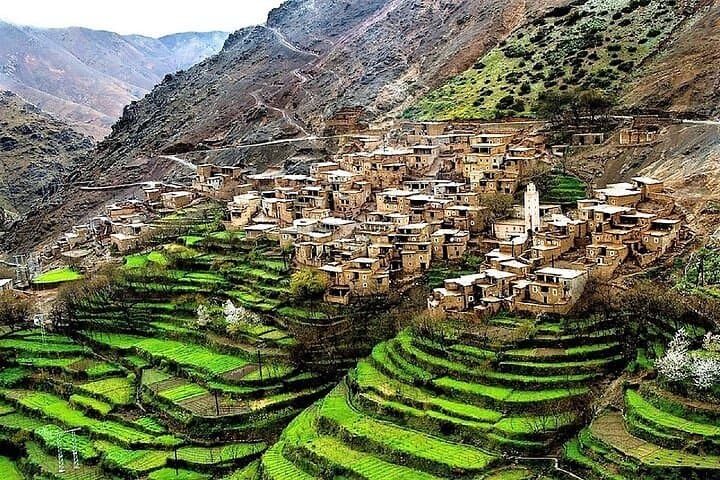
This full-day excursion moves through short village walks, an argan cooperative stop and a guided mountain hike in the foothills of Toubkal National Park. The landscape here is shaped by volcanic and metamorphic rock, steep gullies carved by seasonal torrents and terraces that reveal centuries of Berber farming. Local families still run small presses and host simple lunches that highlight argan oil, flatbreads and mint tea — cultural touchstones that tie modern visitors to an older mountain economy.
Expect a mix of jeep-road driving, 15–20 minutes on camelback near the station, and several hours of walking on uneven trails up to roughly 1,900 meters above sea level. Trails cross rocky slopes, olive groves and a short stretch to a waterfall where the sound of falling water insists you stop.
Practical notes: wear sturdy shoes, carry 1.5–2 liters of water, sun protection and light layers for variable mountain breeze. The hike is not technical but includes loose rock and short, sustained climbs; a local guide leads the route and a family lunch is included. Aim for morning departures to avoid heat in summer and bring small cash for cooperative purchases. This is an accessible taste of High Atlas culture and terrain — tactile, candid and grounded in local hospitality.
moderate.
8 hours.
Suitable for people comfortable with several hours of walking and short uphill sections; basic stamina recommended.
Most day-trip operators include pickup from central Marrakech hotels or a meeting point; confirm pickup location and time when booking.
The camel experience is typically 15–20 minutes near the camel station and is intended as a cultural encounter rather than extended riding.
The itinerary is described as suitable for varied fitness levels; children and older travelers can join if they are comfortable with moderate walking and uneven ground.
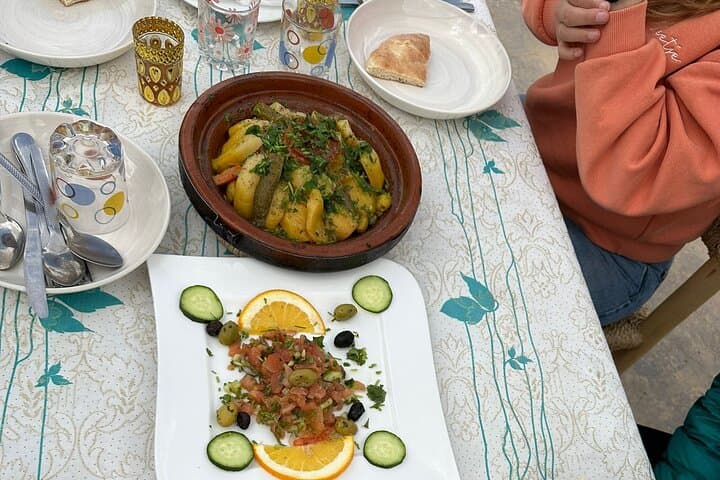
Lunch and bottled water are included, plus tea or coffee at the cooperative stop; bring snacks if you have specific dietary needs.
The High Atlas has been home to Berber communities for millennia; many villages maintain traditional agriculture and cooperative-based argan production that supports local livelihoods.
Water in the region is limited and terraces are vulnerable to erosion; support local cooperatives, avoid single-use plastic and stay on marked trails to reduce impact.
Fun Day trips from Marrakech. operates guided outdoor trips and adventures with an emphasis on safety, stewardship, and memorable experiences.
The morning air off Marrakech thins as the road climbs into granite ribs and scrub pine — a convoy of vehicles threads toward the Atlas, and the day begins with the creak of a camel saddle and a low, steady pace across ochre plains.
The morning air off Marrakech thins as the road climbs into granite ribs and scrub pine — a convoy of vehicles threads toward the Atlas, and the day begins with the creak of a camel saddle and a low, steady pace across ochre plains.
This full-day excursion moves through short village walks, an argan cooperative stop and a guided mountain hike in the foothills of Toubkal National Park. The landscape here is shaped by volcanic and metamorphic rock, steep gullies carved by seasonal torrents and terraces that reveal centuries of Berber farming. Local families still run small presses and host simple lunches that highlight argan oil, flatbreads and mint tea — cultural touchstones that tie modern visitors to an older mountain economy.
Expect a mix of jeep-road driving, 15–20 minutes on camelback near the station, and several hours of walking on uneven trails up to roughly 1,900 meters above sea level. Trails cross rocky slopes, olive groves and a short stretch to a waterfall where the sound of falling water insists you stop.
Practical notes: wear sturdy shoes, carry 1.5–2 liters of water, sun protection and light layers for variable mountain breeze. The hike is not technical but includes loose rock and short, sustained climbs; a local guide leads the route and a family lunch is included. Aim for morning departures to avoid heat in summer and bring small cash for cooperative purchases. This is an accessible taste of High Atlas culture and terrain — tactile, candid and grounded in local hospitality.