THE ADVENTURE COLLECTIVE® · Independent discovery and booking for outdoor travel

A private day trip from Marrakech into the High Atlas that pairs village walks and optional mule rides with lunch on the Kasbah du Toubkal terrace and a post-meal hammam. Expect scenic drives, cultural stops, and easy but uneven mountain paths.
A private day trip from Marrakech into the High Atlas that pairs village walks and optional mule rides with lunch on the Kasbah du Toubkal terrace and a post-meal hammam. Expect scenic drives, cultural stops, and easy but uneven mountain paths.
The road out of Marrakech climbs and narrows, olive terraces sliding away as the High Atlas rises to meet you. By mid-morning you’re in the Imlil valley: a scatter of stone houses, terraced fields, and a river that seems to dare you to follow it higher. The Kasbah du Toubkal sits above the village with a roof terrace that frames Jebel Toubkal’s rugged silhouette—Africa’s highest peak—while nearby paths thread through Berber hamlets and small waterfalls.
Verified experiences and guided adventures in the surrounding area.
Operated by Trekking in Morocco · Imlil, Al Haouz
The road out of Marrakech climbs and narrows, olive terraces sliding away as the High Atlas rises to meet you. By mid-morning you’re in the Imlil valley: a scatter of stone houses, terraced fields, and a river that seems to dare you to follow it higher. The Kasbah du Toubkal sits above the village with a roof terrace that frames Jebel Toubkal’s rugged silhouette—Africa’s highest peak—while nearby paths thread through Berber hamlets and small waterfalls.
This corridor of the Atlas is shaped by volcanic and metamorphic geology: steep, craggy ridgelines carved by winter snowmelt and seasonal streams. The valley’s human history is visible in low stone walls and flat-roofed homes—Amazigh (Berber) communities who have farmed these slopes for generations and run guesthouses and kasbahs that welcome visitors.
Expect a 7–8 hour private day trip: a scenic drive, guided walks in Imlil, optional mule rides on traditional mountain tracks, lunch prepared by local cooks at Kasbah du Toubkal, and access to a hammam after eating. You’ll pause at small markets (Asni, Tahnaout) and short waterfall walks—terrain is mostly village tracks and rocky paths, not technical but uneven underfoot.
Practical edge: bring layered clothing for temperature swings, sun protection, and sturdy shoes for loose stone. Carry small change for tips and local purchases; respect hammam customs (modesty and timing) and follow your guide on mule handling. The trip blends easy walking with cultural exchange—an accessible way to experience High Atlas landscapes and daily life without a multi-day trek.
easy.
7–8 hours.
Suitable for most fitness levels; comfortable walking stamina for short uneven hikes required
The full private excursion runs about 7–8 hours including round-trip transport from Marrakech, guided village time, lunch, and optional hammam.
No—mule rides are optional for those who prefer not to walk or want to reach higher village tracks; walking routes are available for fit guests.
Access to the hammam at Kasbah du Toubkal is included after lunch; bring a towel and wear modest swimwear or follow the kasbah’s guidance.
Yes—children are welcome; infants must sit on an adult’s lap in transport and infant seats are available on request.
The Imlil valley has long been populated by Amazigh (Berber) communities whose agricultural terraces and stone villages reflect centuries of mountain life.
Tourism supports local economies but water is scarce and foot traffic can erode trails—use local guides, avoid single-use plastics, and stick to established paths.
Trekking in Morocco operates guided outdoor trips and adventures with an emphasis on safety, stewardship, and memorable experiences.
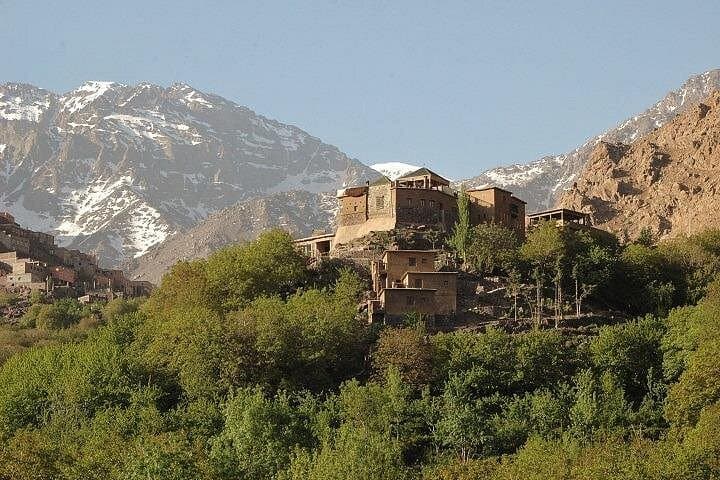
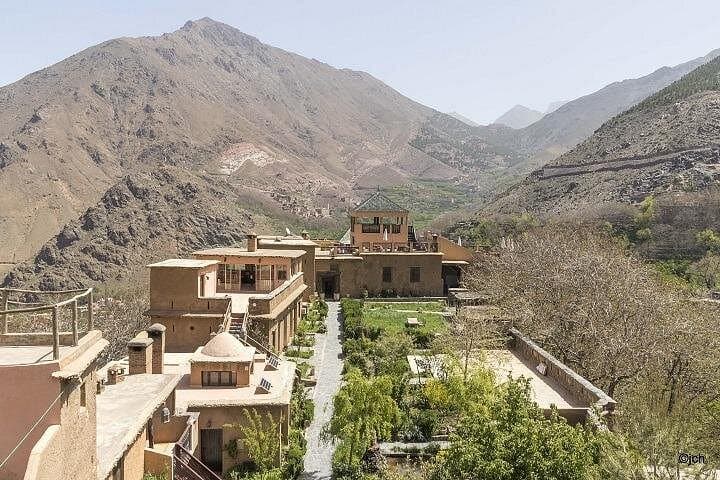
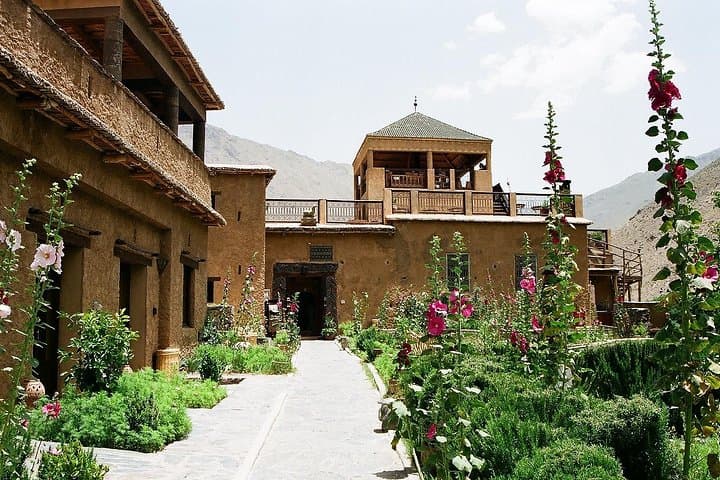
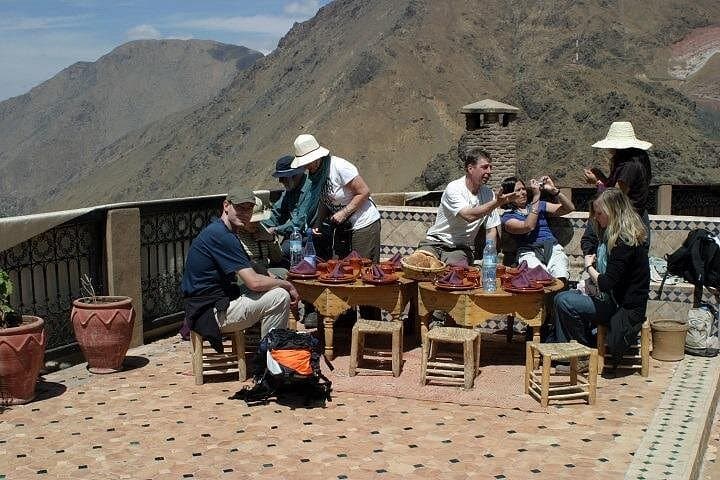
The road out of Marrakech climbs and narrows, olive terraces sliding away as the High Atlas rises to meet you. By mid-morning you’re in the Imlil valley: a scatter of stone houses, terraced fields, and a river that seems to dare you to follow it higher. The Kasbah du Toubkal sits above the village with a roof terrace that frames Jebel Toubkal’s rugged silhouette—Africa’s highest peak—while nearby paths thread through Berber hamlets and small waterfalls.
The road out of Marrakech climbs and narrows, olive terraces sliding away as the High Atlas rises to meet you. By mid-morning you’re in the Imlil valley: a scatter of stone houses, terraced fields, and a river that seems to dare you to follow it higher. The Kasbah du Toubkal sits above the village with a roof terrace that frames Jebel Toubkal’s rugged silhouette—Africa’s highest peak—while nearby paths thread through Berber hamlets and small waterfalls.
This corridor of the Atlas is shaped by volcanic and metamorphic geology: steep, craggy ridgelines carved by winter snowmelt and seasonal streams. The valley’s human history is visible in low stone walls and flat-roofed homes—Amazigh (Berber) communities who have farmed these slopes for generations and run guesthouses and kasbahs that welcome visitors.
Expect a 7–8 hour private day trip: a scenic drive, guided walks in Imlil, optional mule rides on traditional mountain tracks, lunch prepared by local cooks at Kasbah du Toubkal, and access to a hammam after eating. You’ll pause at small markets (Asni, Tahnaout) and short waterfall walks—terrain is mostly village tracks and rocky paths, not technical but uneven underfoot.
Practical edge: bring layered clothing for temperature swings, sun protection, and sturdy shoes for loose stone. Carry small change for tips and local purchases; respect hammam customs (modesty and timing) and follow your guide on mule handling. The trip blends easy walking with cultural exchange—an accessible way to experience High Atlas landscapes and daily life without a multi-day trek.