THE ADVENTURE COLLECTIVE® · Independent discovery and booking for outdoor travel

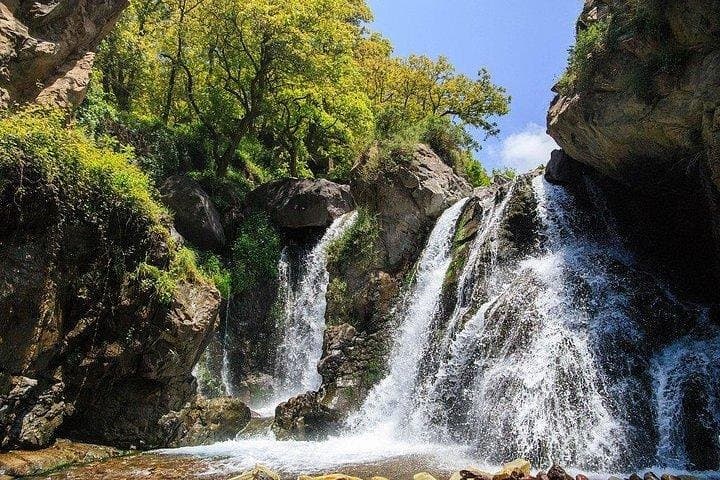
A full-day guided trip from Marrakech into the High Atlas to hike to Setti Fatma waterfalls, visit a women’s argan cooperative and share a home-cooked Berber lunch. Expect steep trails, scenic viewpoints and cultural stops in traditional villages.
A full-day guided trip from Marrakech into the High Atlas to hike to Setti Fatma waterfalls, visit a women’s argan cooperative and share a home-cooked Berber lunch. Expect steep trails, scenic viewpoints and cultural stops in traditional villages.
You leave Marrakech as the city heat is still soft and the road climbs, windows framing the High Atlas rising out of the plain. Villages hitch to the slopes like staircases; orchards and terraced fields slip by until the van drops you at the green throat of the Imlil Valley. A narrow trail threads upward, crossing stone bridges and whispering streams that seem to dare you onward toward the cascades at Setti Fatma.
Verified experiences and guided adventures in the surrounding area.
Operated by Atlas Mountains Guided Tour · Imlil, Marrakech-Safi
You leave Marrakech as the city heat is still soft and the road climbs, windows framing the High Atlas rising out of the plain. Villages hitch to the slopes like staircases; orchards and terraced fields slip by until the van drops you at the green throat of the Imlil Valley. A narrow trail threads upward, crossing stone bridges and whispering streams that seem to dare you onward toward the cascades at Setti Fatma.
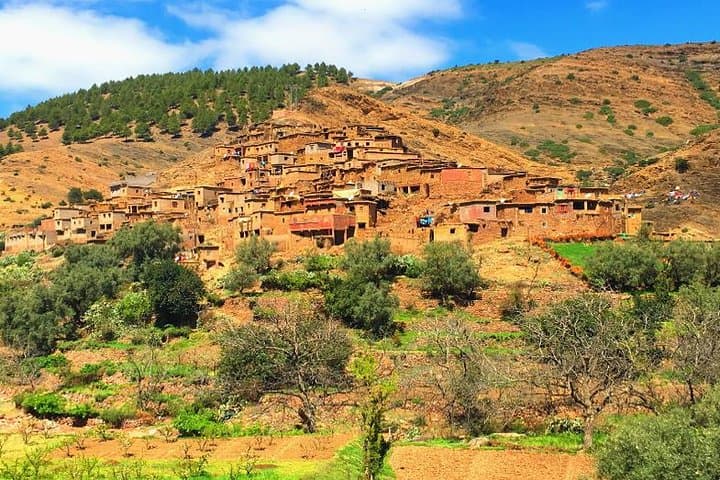
These mountains are young in geological terms — folded and uplifted by the African-Eurasian collision — and the valley's terraces reflect centuries of Berber agriculture. Argans cling to lower slopes and women’s cooperatives press kernels into oil the same way they have for generations. Small stone houses and mule tracks are part of a living, practical culture; guides can explain local customs and the seasonal rhythms that shape daily life.
The route to the waterfalls is a steady, sometimes steep 1.5-hour hike across rocky steps and narrow footbridges; photo stops are frequent and earned. Expect a traditional Berber lunch in a family home — tajine, couscous and mint tea — and time to cool off by the falls.
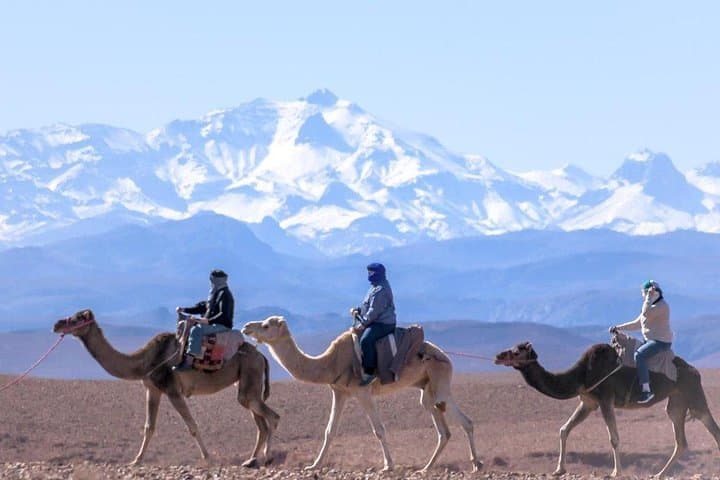
Practical notes: the full excursion runs about seven hours with hotel pickup; wear sturdy shoes, bring 1–2 liters of water, sun protection and modest clothing for village visits. Trails can be slippery after rain and mobile signal is intermittent, so leave valuables locked in the van and carry some cash for tea or tips. With clear skies the viewpoints offer wide, honest panoramas of the High Atlas — rugged, immediate and ready for exploration.
moderate.
6–7 hours.
Suitable for people who can handle a sustained uphill walk of 1–2 hours; basic cardiovascular fitness and good balance recommended
The walk from Setti Fatma to the cascades is roughly 1–1.5 hours one way depending on pace and stops; the trail includes steep sections and stone steps.
Yes, pickup and drop-off from Marrakech riads and hotels are included in the tour price.
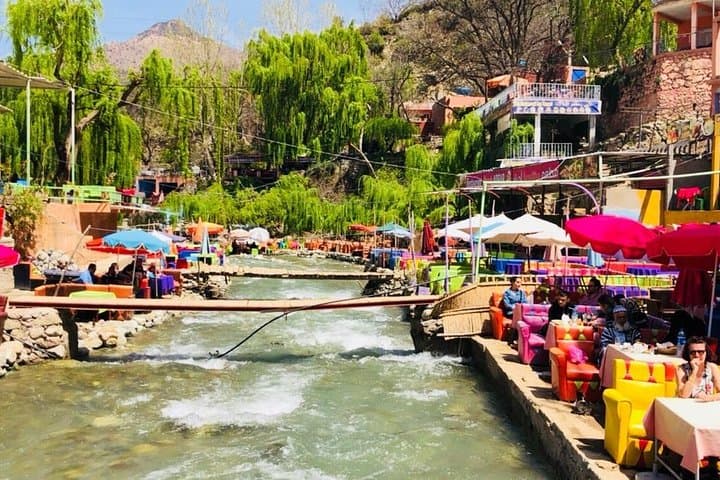
A traditional Berber lunch in a family home is included, along with bottled water and a refreshment by the river or mint tea.
The tour is family-friendly but the hike involves uneven terrain and steps; it may not be suitable for those with serious mobility limitations.
The High Atlas has been inhabited by Amazigh (Berber) communities for centuries; terraced agriculture and trade routes shaped the villages seen today.
This is an ecologically sensitive area with water scarcity and erosion risks; stick to trails, avoid single-use plastics and support local cooperatives to benefit the community.
Atlas Mountains Guided Tour operates guided outdoor trips and adventures with an emphasis on safety, stewardship, and memorable experiences.
You leave Marrakech as the city heat is still soft and the road climbs, windows framing the High Atlas rising out of the plain. Villages hitch to the slopes like staircases; orchards and terraced fields slip by until the van drops you at the green throat of the Imlil Valley. A narrow trail threads upward, crossing stone bridges and whispering streams that seem to dare you onward toward the cascades at Setti Fatma.
You leave Marrakech as the city heat is still soft and the road climbs, windows framing the High Atlas rising out of the plain. Villages hitch to the slopes like staircases; orchards and terraced fields slip by until the van drops you at the green throat of the Imlil Valley. A narrow trail threads upward, crossing stone bridges and whispering streams that seem to dare you onward toward the cascades at Setti Fatma.
These mountains are young in geological terms — folded and uplifted by the African-Eurasian collision — and the valley's terraces reflect centuries of Berber agriculture. Argans cling to lower slopes and women’s cooperatives press kernels into oil the same way they have for generations. Small stone houses and mule tracks are part of a living, practical culture; guides can explain local customs and the seasonal rhythms that shape daily life.
The route to the waterfalls is a steady, sometimes steep 1.5-hour hike across rocky steps and narrow footbridges; photo stops are frequent and earned. Expect a traditional Berber lunch in a family home — tajine, couscous and mint tea — and time to cool off by the falls.
Practical notes: the full excursion runs about seven hours with hotel pickup; wear sturdy shoes, bring 1–2 liters of water, sun protection and modest clothing for village visits. Trails can be slippery after rain and mobile signal is intermittent, so leave valuables locked in the van and carry some cash for tea or tips. With clear skies the viewpoints offer wide, honest panoramas of the High Atlas — rugged, immediate and ready for exploration.