THE ADVENTURE COLLECTIVE® · Independent discovery and booking for outdoor travel

Spend a day from Marrakech into the High Atlas: an argan cooperative and camel ride, a 2½-hour hike through Imlil valley, a rooftop Berber lunch, and a waterfall before returning at dusk. Practical, cultural, and accessible for moderately fit travelers.
Spend a day from Marrakech into the High Atlas: an argan cooperative and camel ride, a 2½-hour hike through Imlil valley, a rooftop Berber lunch, and a waterfall before returning at dusk. Practical, cultural, and accessible for moderately fit travelers.
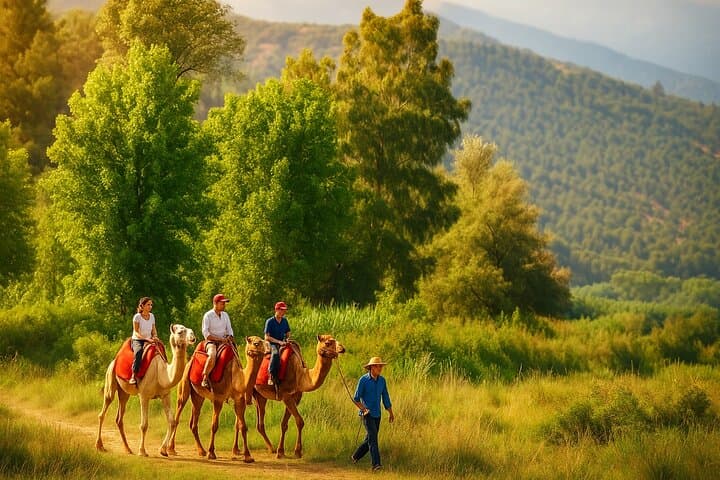
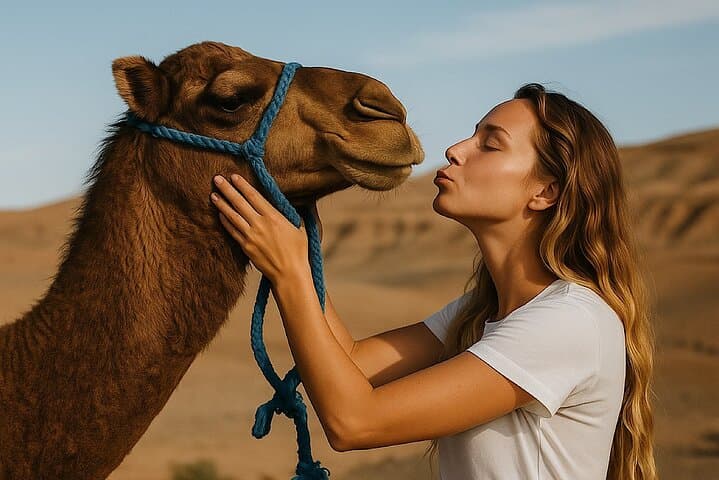
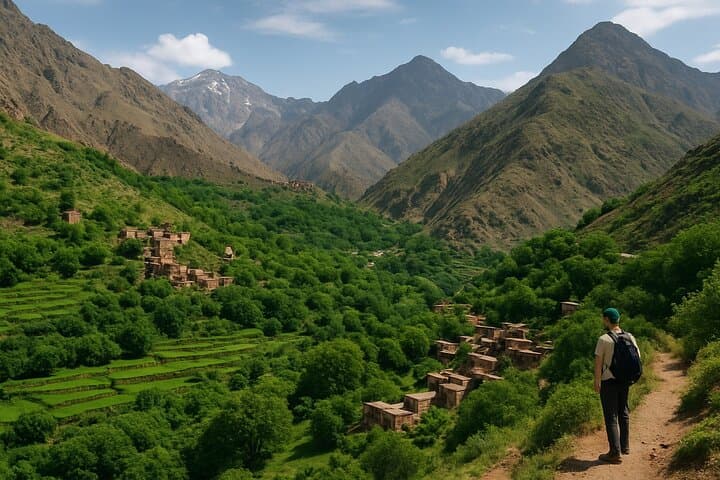
Morning light breaks over the red city and the minivan threads out toward the High Atlas, the road bending until olive groves give way to scree and walnut trees. By mid-morning you stand on a low ridge above Imlil (1,740 m), wind angling through the valley and a fast mountain stream daring you to follow its course. A short camel ride and a visit to a women’s argan cooperative bookend the day with tactile, local encounters before a 2½-hour valley hike and a rooftop Berber lunch.
Verified experiences and guided adventures in the surrounding area.
Operated by Marrakech Day Trips · Marrakech, Marrakesh-Safi
Morning light breaks over the red city and the minivan threads out toward the High Atlas, the road bending until olive groves give way to scree and walnut trees. By mid-morning you stand on a low ridge above Imlil (1,740 m), wind angling through the valley and a fast mountain stream daring you to follow its course. A short camel ride and a visit to a women’s argan cooperative bookend the day with tactile, local encounters before a 2½-hour valley hike and a rooftop Berber lunch.
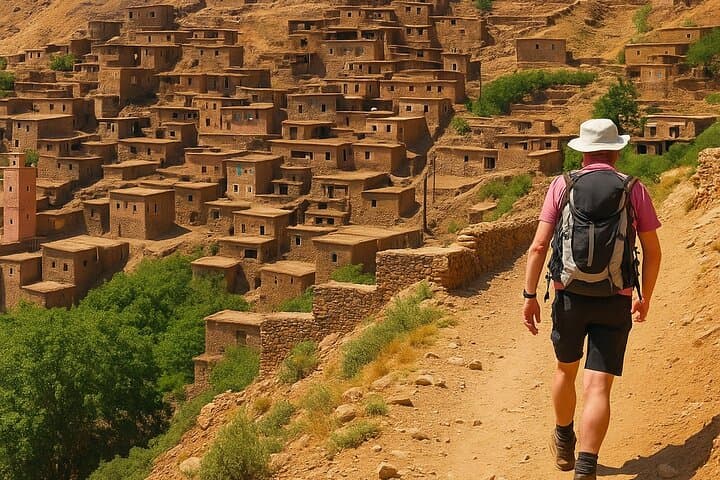
Geology here is blunt and visible: the Atlas is a compressed edge of Africa where schist and limestone fold into steep-sided valleys, with Jbel Toubkal (4,167 m) looming as the massif’s high point. Culturally, the area remains strongly Berber—villages cling to terraces, houses built from local stone and mud, and daily life still orbits seasonal farming and cooperative craft (argan oil production is largely women-led).
Expect mountain tracks, stepped village lanes, and a moderate climb with roughly 2–3 hours of walking spread across uneven terrain. Highlights include a village waterfall and a family-run home where lunch is served on a rooftop terrace with valley views.
Practical notes: wear sturdy shoes, bring layered clothing (temperatures change rapidly with elevation), and carry at least 1–2 liters of water. The tour typically returns to Marrakech by late afternoon. Respect local customs—ask before photographing people—and pack any snacks or medications you need; shops in small villages are limited. This day trip combines easy cultural stops with genuine mountain walking, making it a compact way to taste the Atlas without multi-day logistics.
moderate.
8 hours.
Moderate fitness required—comfortable walking on uneven ground for up to 2–3 hours with short climbs
The guided hike is about 2½ hours of walking spread through the valley, with stops for views and lunch.
Yes—camel rides are generally family-friendly, but children should be supervised and follow the guide’s safety instructions.
Moderate fitness—participants should be comfortable with uneven terrain and several short climbs; no technical climbing skills needed.
Yes—lunch and mineral water are included, and tea is provided at the argan cooperative.
The High Atlas has long been home to Amazigh (Berber) communities whose villages and terraced farming patterns date back centuries, with ancient transmountain routes linking valleys.
Argan forests are protected due to their ecological and cultural importance; visitors should avoid disturbing cooperative operations and minimize plastic waste in villages.
Marrakech Day Trips operates guided outdoor trips and adventures with an emphasis on safety, stewardship, and memorable experiences.
Morning light breaks over the red city and the minivan threads out toward the High Atlas, the road bending until olive groves give way to scree and walnut trees. By mid-morning you stand on a low ridge above Imlil (1,740 m), wind angling through the valley and a fast mountain stream daring you to follow its course. A short camel ride and a visit to a women’s argan cooperative bookend the day with tactile, local encounters before a 2½-hour valley hike and a rooftop Berber lunch.
Morning light breaks over the red city and the minivan threads out toward the High Atlas, the road bending until olive groves give way to scree and walnut trees. By mid-morning you stand on a low ridge above Imlil (1,740 m), wind angling through the valley and a fast mountain stream daring you to follow its course. A short camel ride and a visit to a women’s argan cooperative bookend the day with tactile, local encounters before a 2½-hour valley hike and a rooftop Berber lunch.
Geology here is blunt and visible: the Atlas is a compressed edge of Africa where schist and limestone fold into steep-sided valleys, with Jbel Toubkal (4,167 m) looming as the massif’s high point. Culturally, the area remains strongly Berber—villages cling to terraces, houses built from local stone and mud, and daily life still orbits seasonal farming and cooperative craft (argan oil production is largely women-led).
Expect mountain tracks, stepped village lanes, and a moderate climb with roughly 2–3 hours of walking spread across uneven terrain. Highlights include a village waterfall and a family-run home where lunch is served on a rooftop terrace with valley views.
Practical notes: wear sturdy shoes, bring layered clothing (temperatures change rapidly with elevation), and carry at least 1–2 liters of water. The tour typically returns to Marrakech by late afternoon. Respect local customs—ask before photographing people—and pack any snacks or medications you need; shops in small villages are limited. This day trip combines easy cultural stops with genuine mountain walking, making it a compact way to taste the Atlas without multi-day logistics.