THE ADVENTURE COLLECTIVE® · Independent discovery and booking for outdoor travel

Swap Marrakech’s bustle for a day in the High Atlas: short hikes through Berber villages, two 30-minute camel rides along Oued Ghighaya, and a home-cooked lunch in a local family home. Expect rocky tracks, sweeping valley views, and direct cultural exchange.
Swap Marrakech’s bustle for a day in the High Atlas: short hikes through Berber villages, two 30-minute camel rides along Oued Ghighaya, and a home-cooked lunch in a local family home. Expect rocky tracks, sweeping valley views, and direct cultural exchange.
You leave the ochre heat of Marrakech and, within an hour, the High Atlas rises like a solid wall of stone and scrub—peaks carving a sharper horizon, valleys that pull the eye into narrow village lanes. The trip begins with a 30-minute camel ride across the stony riverbed of the Oued Ghighaya; the animals sway and breathe, footprints punctuating the dust as local guides point toward terraces and the distant glint of a waterfall.
Verified experiences and guided adventures in the surrounding area.
Operated by Biking in Marrakech · Imlil, Marrakesh-Safi
You leave the ochre heat of Marrakech and, within an hour, the High Atlas rises like a solid wall of stone and scrub—peaks carving a sharper horizon, valleys that pull the eye into narrow village lanes. The trip begins with a 30-minute camel ride across the stony riverbed of the Oued Ghighaya; the animals sway and breathe, footprints punctuating the dust as local guides point toward terraces and the distant glint of a waterfall.
The route threads through Berber (Amazigh) villages—mud-brick houses, flat roofs, and terraced fields that reflect centuries of mountain farming. Geologically the High Atlas is young and rugged: folded and faulted metamorphic rock that forces streams into steep gullies and creates the small waterfalls you’ll visit on the walk. Culture here is quiet and direct; hosts are warm, mint tea is offered as ritual, and a family lunch in a Berber home is an honest exchange of food and conversation.
Expect roughly 2–2.5 hours of walking on uneven trails with intermittent elevation gain (around 200–400 m depending on route), plus two 30-minute camel rides. Terrain alternates riverbed sand, loose scree and paved village lanes. Practical notes: wear supportive shoes, carry 1–2 liters of water, and bring sun protection—mountain sun is sharp even when air is cool. Respect local dress norms, keep noise low in villages, and tip guides and hosts if you enjoyed the visit. The day delivers a compact but authentic window into High Atlas life—visual peaks, welcoming people, and a rhythm of walking and pause that fits a full-day escape from Marrakech.
moderate.
7–8 hours.
Good to average fitness; able to walk 2–3 hours with short elevation gains and occasional uneven footing.
Each camel ride is about 30 minutes along the riverbed—comfortable for first-time riders and guided by handlers.
Lunch is served in a private Berber home; you can request vegetarian or note allergies when booking, but options are traditional and may be limited.
Imlil and the walk sit around 1,600–1,800 m—most travelers do not experience severe symptoms, but take it easy if you are sensitive to altitude and stay hydrated.
The trip is family-friendly but requires moderate mobility; camel rides and the village walk are manageable but let the operator know any mobility concerns so they can assist.
The High Atlas has been home to Amazigh (Berber) communities for centuries; mountain agriculture and mule tracks shaped the local settlement pattern and hospitality traditions.
Stick to established paths, minimize water and plastic use, and support local households directly to keep small-scale tourism sustainable and beneficial to mountain villages.
Biking in Marrakech operates guided outdoor trips and adventures with an emphasis on safety, stewardship, and memorable experiences.
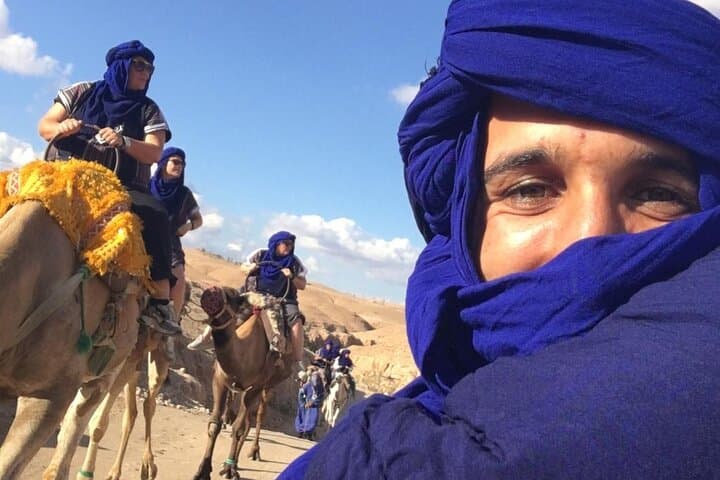
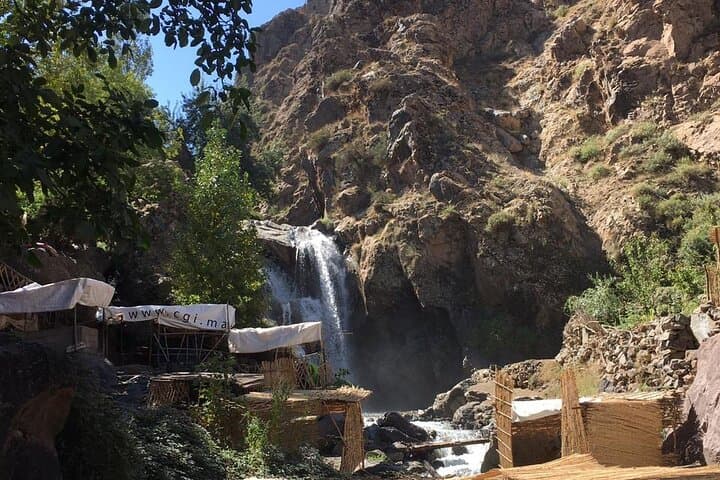
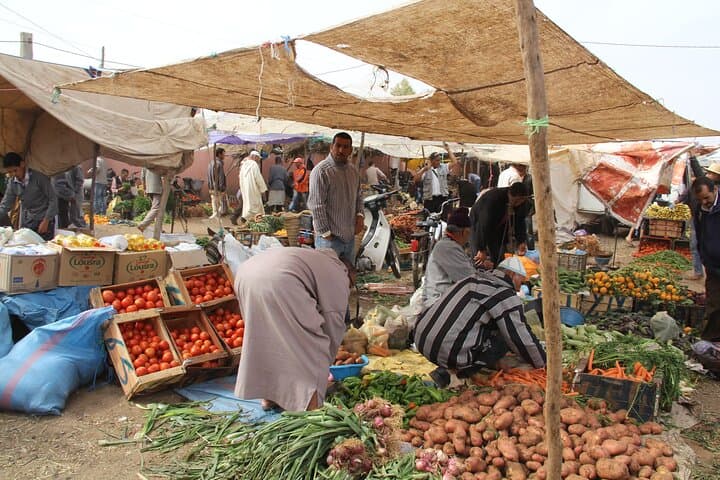
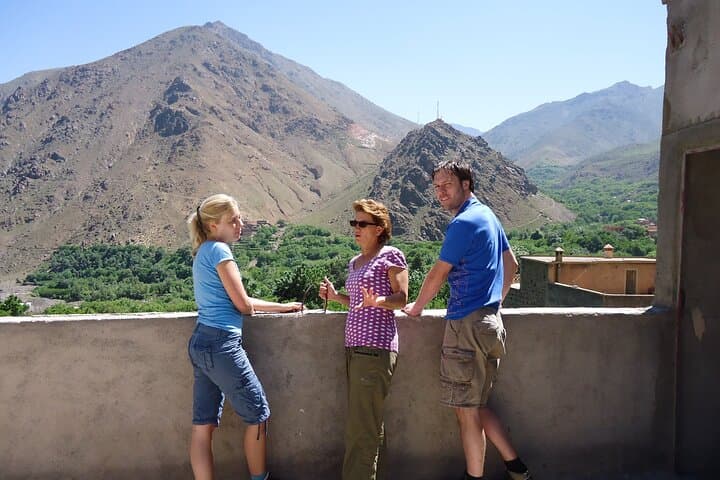
You leave the ochre heat of Marrakech and, within an hour, the High Atlas rises like a solid wall of stone and scrub—peaks carving a sharper horizon, valleys that pull the eye into narrow village lanes. The trip begins with a 30-minute camel ride across the stony riverbed of the Oued Ghighaya; the animals sway and breathe, footprints punctuating the dust as local guides point toward terraces and the distant glint of a waterfall.
You leave the ochre heat of Marrakech and, within an hour, the High Atlas rises like a solid wall of stone and scrub—peaks carving a sharper horizon, valleys that pull the eye into narrow village lanes. The trip begins with a 30-minute camel ride across the stony riverbed of the Oued Ghighaya; the animals sway and breathe, footprints punctuating the dust as local guides point toward terraces and the distant glint of a waterfall.
The route threads through Berber (Amazigh) villages—mud-brick houses, flat roofs, and terraced fields that reflect centuries of mountain farming. Geologically the High Atlas is young and rugged: folded and faulted metamorphic rock that forces streams into steep gullies and creates the small waterfalls you’ll visit on the walk. Culture here is quiet and direct; hosts are warm, mint tea is offered as ritual, and a family lunch in a Berber home is an honest exchange of food and conversation.
Expect roughly 2–2.5 hours of walking on uneven trails with intermittent elevation gain (around 200–400 m depending on route), plus two 30-minute camel rides. Terrain alternates riverbed sand, loose scree and paved village lanes. Practical notes: wear supportive shoes, carry 1–2 liters of water, and bring sun protection—mountain sun is sharp even when air is cool. Respect local dress norms, keep noise low in villages, and tip guides and hosts if you enjoyed the visit. The day delivers a compact but authentic window into High Atlas life—visual peaks, welcoming people, and a rhythm of walking and pause that fits a full-day escape from Marrakech.