THE ADVENTURE COLLECTIVE® · Independent discovery and booking for outdoor travel

Swap Marrakech’s bustle for a one-day journey into the High Atlas: three valleys, waterfall walks, a camel ride and a Berber home visit. This flexible day trip balances scenery and culture with practical logistics for a full 7–8 hour outing.
Swap Marrakech’s bustle for a one-day journey into the High Atlas: three valleys, waterfall walks, a camel ride and a Berber home visit. This flexible day trip balances scenery and culture with practical logistics for a full 7–8 hour outing.
Before the sun lifts Marrakech’s ochre walls, a minivan hums out of the medina and the road climbs into the High Atlas — a patchwork of red-clay slopes, terraced fields and white-water gullies. The air sharpens as you trade city heat for mountain wind; rivers dare you to step closer, and mule tracks skirt villages where children wave and women pour steaming mint tea.
Verified experiences and guided adventures in the surrounding area.
Operated by Medersa Ben Youssef · Marrakech, Marrakech-Safi
Before the sun lifts Marrakech’s ochre walls, a minivan hums out of the medina and the road climbs into the High Atlas — a patchwork of red-clay slopes, terraced fields and white-water gullies. The air sharpens as you trade city heat for mountain wind; rivers dare you to step closer, and mule tracks skirt villages where children wave and women pour steaming mint tea.
This route threads through the foothills that have long been home to Amazigh (Berber) communities; seasonal streams and snowmelt carve the valleys that shepherds and farmers have irrigated for centuries. Geologically, the High Atlas is the product of Africa-Europe plate collision — folded, uplifted ranges that create abrupt elevation shifts and narrow river-cut canyons. Culturally the day trip centers on village life: visits to argan cooperatives, a tea invitation in a family home, and a short camel ride that echo older trade routes linking mountain hamlets to Marrakech.
Expect a flexible, full-day outing (roughly 7–8 hours) with a mix of paved and unpaved roads, short uphill walks to cascade viewpoints, and easy village strolls. Wear grippy shoes for slippery rocks, bring layering for changing temperatures, and carry cash for small purchases at cooperatives.
Practical pacing wins here — plan for a morning departure, pause for an unhurried lunch, and leave late afternoon for the drive back. The trip is equal parts landscape and human story: waterfalls that demand your attention, cliffs that push your perspective, and the quiet hospitality of the valleys between.
moderate.
7–8 hours.
Suitable for travelers with average fitness who can handle short uphill walks and stepping over rocky terrain.
Yes — this day trip includes a short optional camel ride as part of the itinerary.
Yes — the tour notes say it’s accessible for all fitness levels and infant seats are available; expect a long day so plan accordingly.
Walks to waterfall viewpoints are short but can be on uneven, sometimes steep paths; basic mobility is sufficient.
Private tours are designed for flexibility; shared tours follow a standard route but guides can often accommodate small adjustments during the day.
The High Atlas has been inhabited by Amazigh (Berber) communities for millennia; mountain routes once linked seasonal pastures and local markets to Marrakech.
Support local argan cooperatives and avoid single-use plastics; stick to marked paths to protect fragile mountain soils and spring sources.
Medersa Ben Youssef operates guided outdoor trips and adventures with an emphasis on safety, stewardship, and memorable experiences.
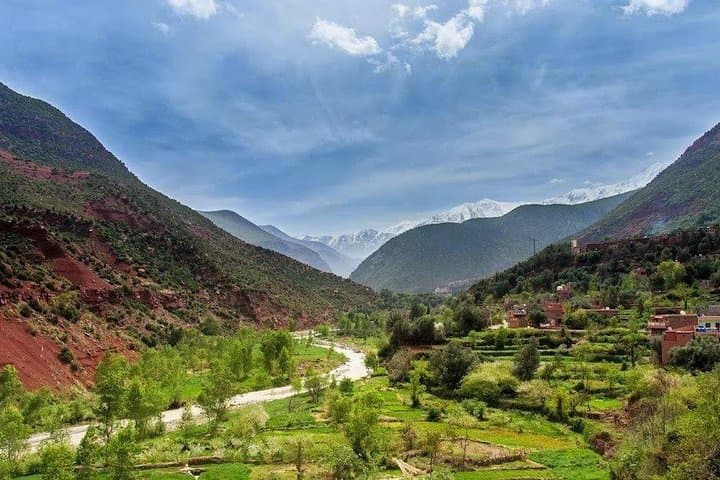
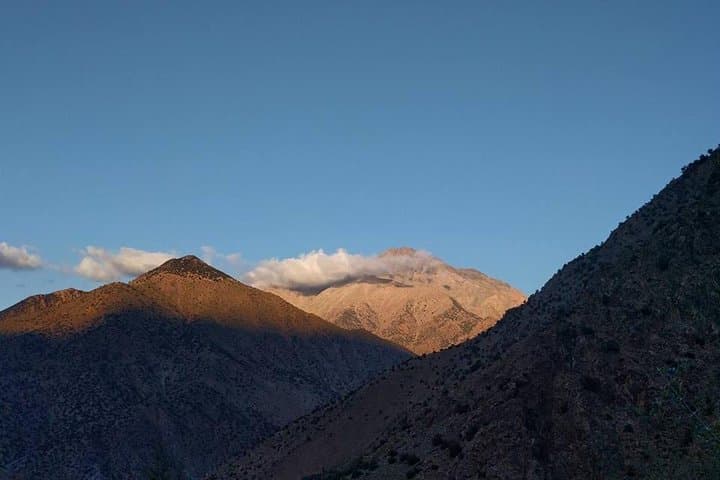
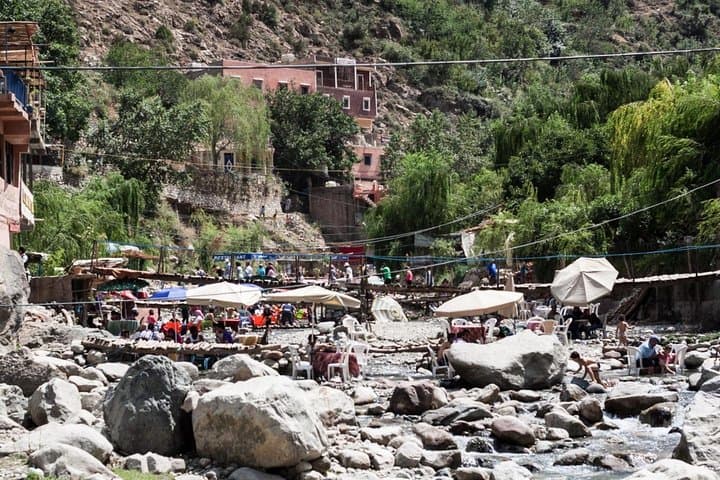
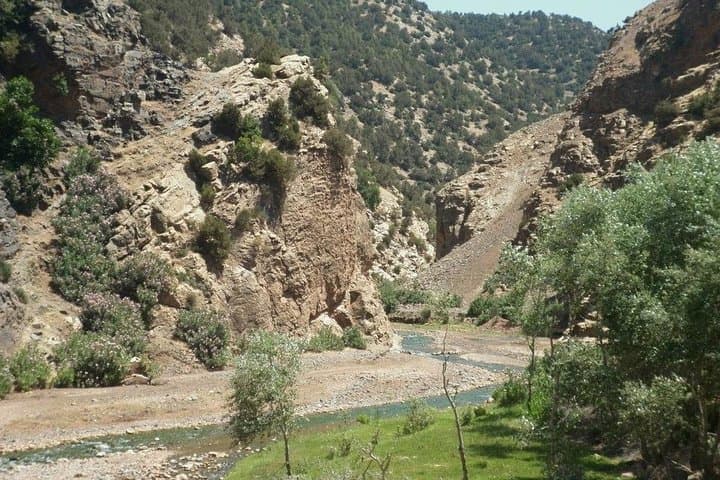
Before the sun lifts Marrakech’s ochre walls, a minivan hums out of the medina and the road climbs into the High Atlas — a patchwork of red-clay slopes, terraced fields and white-water gullies. The air sharpens as you trade city heat for mountain wind; rivers dare you to step closer, and mule tracks skirt villages where children wave and women pour steaming mint tea.
Before the sun lifts Marrakech’s ochre walls, a minivan hums out of the medina and the road climbs into the High Atlas — a patchwork of red-clay slopes, terraced fields and white-water gullies. The air sharpens as you trade city heat for mountain wind; rivers dare you to step closer, and mule tracks skirt villages where children wave and women pour steaming mint tea.
This route threads through the foothills that have long been home to Amazigh (Berber) communities; seasonal streams and snowmelt carve the valleys that shepherds and farmers have irrigated for centuries. Geologically, the High Atlas is the product of Africa-Europe plate collision — folded, uplifted ranges that create abrupt elevation shifts and narrow river-cut canyons. Culturally the day trip centers on village life: visits to argan cooperatives, a tea invitation in a family home, and a short camel ride that echo older trade routes linking mountain hamlets to Marrakech.
Expect a flexible, full-day outing (roughly 7–8 hours) with a mix of paved and unpaved roads, short uphill walks to cascade viewpoints, and easy village strolls. Wear grippy shoes for slippery rocks, bring layering for changing temperatures, and carry cash for small purchases at cooperatives.
Practical pacing wins here — plan for a morning departure, pause for an unhurried lunch, and leave late afternoon for the drive back. The trip is equal parts landscape and human story: waterfalls that demand your attention, cliffs that push your perspective, and the quiet hospitality of the valleys between.