THE ADVENTURE COLLECTIVE® · Independent discovery and booking for outdoor travel

Leave Marrakech for a day in the High Atlas: waterfall walks in Ourika Valley, argan oil demonstrations and lunch with a Berber family. Practical for hikers of most abilities, the trip blends short mountain hikes with cultural stops.
Leave Marrakech for a day in the High Atlas: waterfall walks in Ourika Valley, argan oil demonstrations and lunch with a Berber family. Practical for hikers of most abilities, the trip blends short mountain hikes with cultural stops.
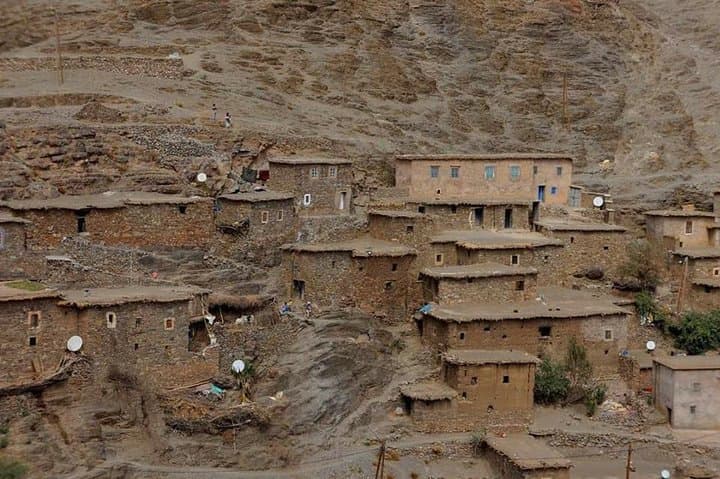
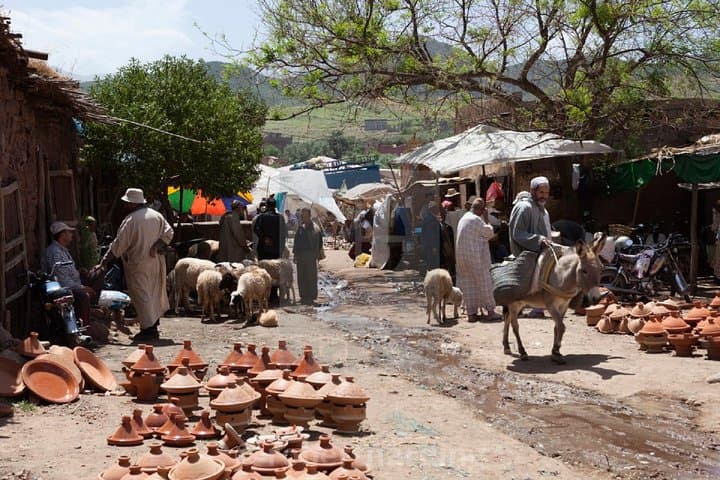
Morning light slides off ochre walls as a minivan departs Marrakech and the city’s heat gives way to pine-scented air. The drive rises over the Kik plateau, past Lalla Takerkoust dam, then threads through villages clinging to the High Atlas flanks—women grinding argan, herders steering flocks, and terraces stepping down the slopes.
Verified experiences and guided adventures in the surrounding area.
Operated by tour in Morocco · Marrakech, Marrakesh-Safi
Morning light slides off ochre walls as a minivan departs Marrakech and the city’s heat gives way to pine-scented air. The drive rises over the Kik plateau, past Lalla Takerkoust dam, then threads through villages clinging to the High Atlas flanks—women grinding argan, herders steering flocks, and terraces stepping down the slopes.
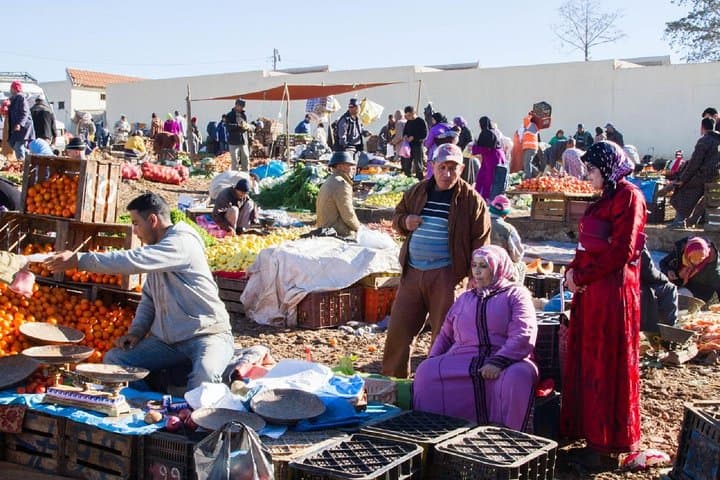
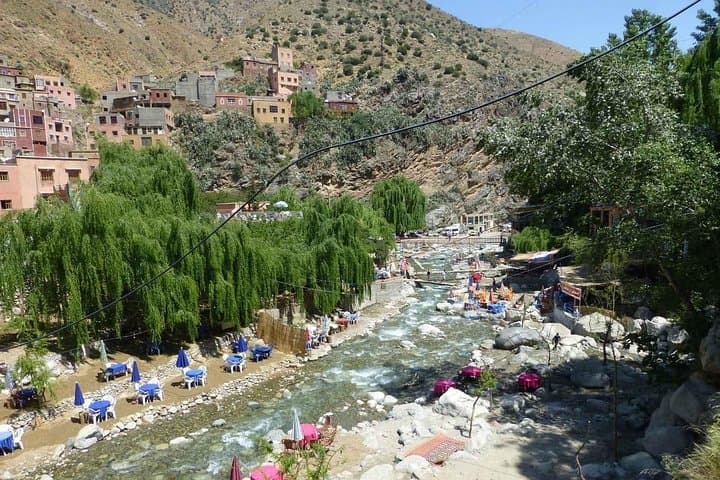
Geology here is visible and blunt: the Atlas formed by continental collision, a recent uplift of folded sedimentary and volcanic rocks that produces abrupt ridgelines and narrow valleys. The Ourika Valley remains one of the best-conserved corridors, where streams have carved tiers of waterfalls near the village of Setti Fadma. Culturally, travelers meet Amazigh (Berber) communities whose rhythms center on irrigation, goat herding and craft—argan oil demonstrations and a home-cooked lunch with a local family are common inclusions.
Expect a mix of paved road and dirt tracks, plus 2–3 hours of walking on rocky, sometimes steep trails to visit the seven waterfalls; some climbs include stepped rock and loose scree. Guides point out seasonal streams, medicinal plants and local stonework while explaining village life.
Practical edge: start early to avoid midday heat, wear sturdy shoes with grip, and carry 1–2 liters of water and layered clothing—temperatures drop in the shade and rise on exposed slopes. Bring cash for small purchases and be ready to adjust pace—this is a cultural day in the mountains as much as a hike, where the landscape will provoke a steady, tangible pull to slow down and look closer.
moderate.
6–10 hours.
Suitable for travelers in average fitness—should handle 2–3 hours of mixed trail walking with short uphill sections
Expect roughly 45 minutes to 1.5 hours depending on the exact route and traffic; Lalla Takerkoust and Ourika are common stops en route.
The walk involves uneven rock, short steep sections and river crossings—most people with moderate fitness complete it with rest stops.
Lunch by the river or at a local terrace is typically included; options for vegetarians are usually available with advance notice.
Yes—infant seats and family-friendly pacing are often available, but confirm at booking and bring essentials for young children.
The High Atlas has long been home to Amazigh communities whose irrigation terraces and stone villages record centuries of mountain agriculture and trade routes.
Tourism pressure can strain water and waste systems in small valleys—use refillable bottles, avoid single-use plastics and support local guides and family-run meals.
tour in Morocco operates guided outdoor trips and adventures with an emphasis on safety, stewardship, and memorable experiences.
Morning light slides off ochre walls as a minivan departs Marrakech and the city’s heat gives way to pine-scented air. The drive rises over the Kik plateau, past Lalla Takerkoust dam, then threads through villages clinging to the High Atlas flanks—women grinding argan, herders steering flocks, and terraces stepping down the slopes.
Morning light slides off ochre walls as a minivan departs Marrakech and the city’s heat gives way to pine-scented air. The drive rises over the Kik plateau, past Lalla Takerkoust dam, then threads through villages clinging to the High Atlas flanks—women grinding argan, herders steering flocks, and terraces stepping down the slopes.
Geology here is visible and blunt: the Atlas formed by continental collision, a recent uplift of folded sedimentary and volcanic rocks that produces abrupt ridgelines and narrow valleys. The Ourika Valley remains one of the best-conserved corridors, where streams have carved tiers of waterfalls near the village of Setti Fadma. Culturally, travelers meet Amazigh (Berber) communities whose rhythms center on irrigation, goat herding and craft—argan oil demonstrations and a home-cooked lunch with a local family are common inclusions.
Expect a mix of paved road and dirt tracks, plus 2–3 hours of walking on rocky, sometimes steep trails to visit the seven waterfalls; some climbs include stepped rock and loose scree. Guides point out seasonal streams, medicinal plants and local stonework while explaining village life.
Practical edge: start early to avoid midday heat, wear sturdy shoes with grip, and carry 1–2 liters of water and layered clothing—temperatures drop in the shade and rise on exposed slopes. Bring cash for small purchases and be ready to adjust pace—this is a cultural day in the mountains as much as a hike, where the landscape will provoke a steady, tangible pull to slow down and look closer.