THE ADVENTURE COLLECTIVE® · Independent discovery and booking for outdoor travel

Swap the city heat for cool mountain air on a full-day trip from Marrakech into the High Atlas. Explore Ourika Valley and two nearby valleys with short walks, riverside lunches, and an introduction to Berber village life.
Swap the city heat for cool mountain air on a full-day trip from Marrakech into the High Atlas. Explore Ourika Valley and two nearby valleys with short walks, riverside lunches, and an introduction to Berber village life.
You leave the ochre bustle of Marrakech and, within an hour, the air changes—cooler and scented with cedar and river stone. The road climbs into the High Atlas foothills, terraces and orchards sliding past, and small villages perched on ridgelines watch the valley below like patient neighbors.
Verified experiences and guided adventures in the surrounding area.
Operated by Truly Morocco · Marrakech, Marrakesh-Safi
You leave the ochre bustle of Marrakech and, within an hour, the air changes—cooler and scented with cedar and river stone. The road climbs into the High Atlas foothills, terraces and orchards sliding past, and small villages perched on ridgelines watch the valley below like patient neighbors.
This day trip threads history and geology: folded volcanic and metamorphic rock carved by seasonal rivers, with terraces that map centuries of Berber agriculture. Guides introduce Berber customs—mint tea ritual, village souks, and the role of seasonal irrigation—while local songs or a short demonstration of crafts may punctuate your stop. The Ourika Valley, one of the three valleys visited on many itineraries, offers shaded riverbanks and short walks beneath walnut and fig trees where mountain streams dare you to pause.
Expect light, accessible walks (often 1–3 km) rather than long alpine climbs; the route stays mostly below 1,500 m, so altitude is rarely a factor. Meals are usually served riverside in simple restaurants; food follows Moroccan rhythms—slow-cooked tagines, fresh salads, and strong coffee or mint tea.
Practical guidance: wear sturdy walking shoes, bring sun protection and a light layer for abrupt temperature dips, and carry cash for small market purchases. Timing matters—weekdays are quieter in the valleys, and visiting a Monday souk means larger markets. The trip balances culture and gentle outdoor time, ideal for travelers wanting mountain air without serious hiking demands.
easy.
6–8 hours.
Suitable for most fitness levels; participants should be able to walk short distances (1–3 km) on uneven terrain.
The tour runs approximately 6–8 hours; typical departures are morning with return to Marrakech in the afternoon or early evening depending on traffic.
No—walks are short and gentle, usually under 1–3 km on uneven paths; elevations stay in the foothills below about 1,500 m, so altitude illness is uncommon.
A riverside lunch is typically included with Moroccan fare—tagines, salads, bread, and tea; dietary restrictions can usually be accommodated with advance notice.
Yes—many itineraries include stops at village souks (market days vary by village; Monday markets are common in some valleys), giving time to browse handicrafts and produce.
The High Atlas has long been home to Berber communities who developed terraced agriculture and seasonal transhumance routes; villages reflect centuries-old stone building techniques.
Visitors should stick to established paths, respect irrigation terraces and private orchards, and avoid feeding wildlife; water is a shared resource in these valleys, so conserve usage.
Truly Morocco operates guided outdoor trips and adventures with an emphasis on safety, stewardship, and memorable experiences.
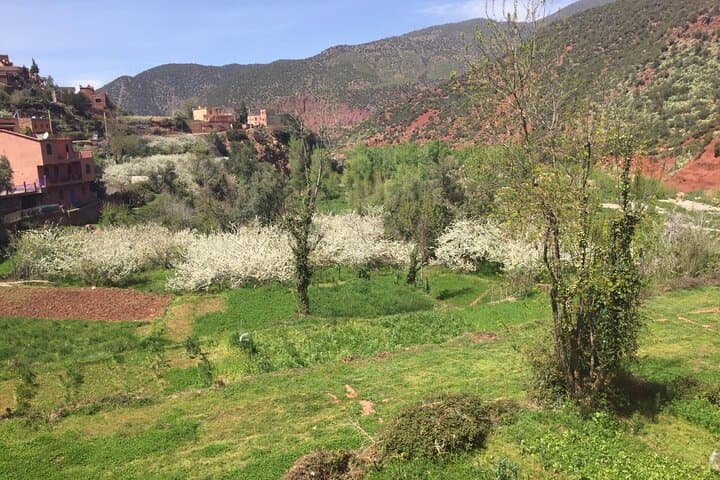
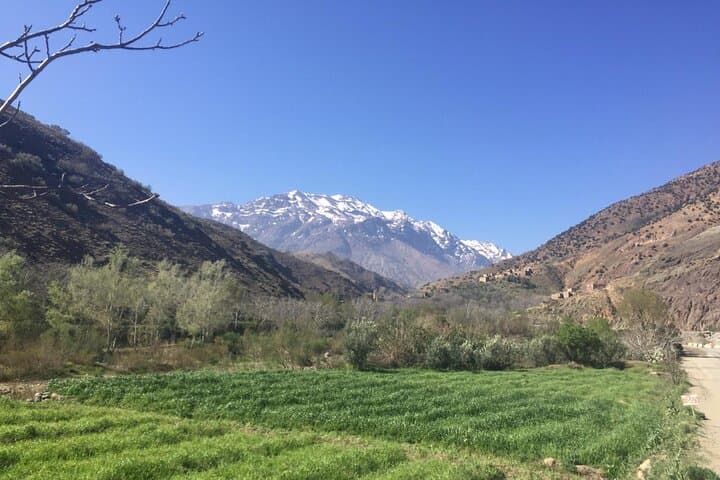
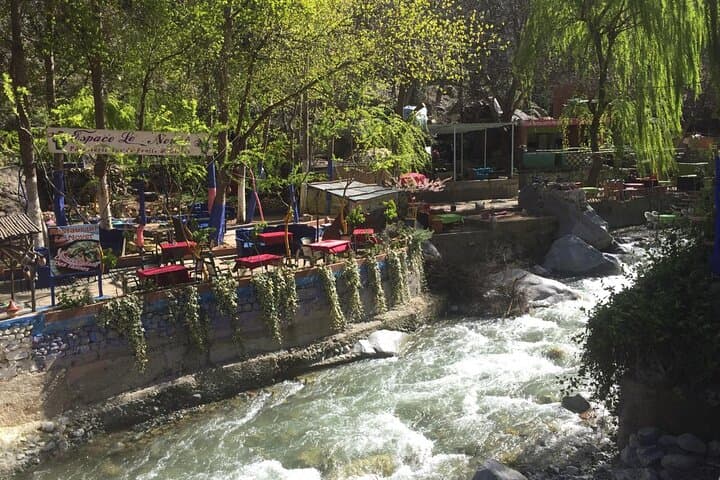
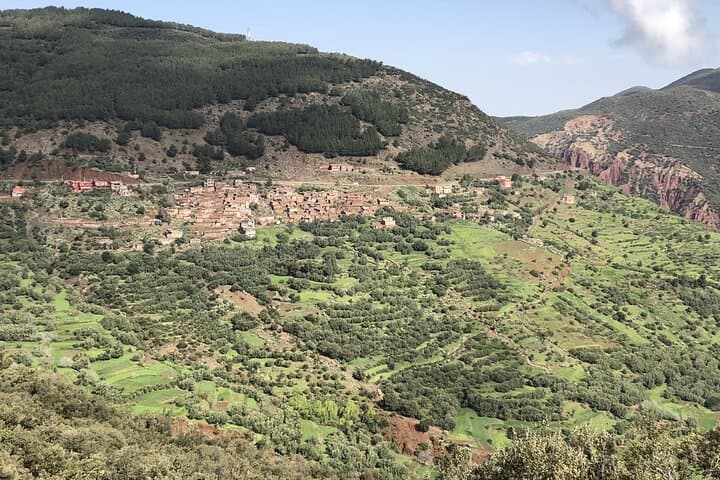
You leave the ochre bustle of Marrakech and, within an hour, the air changes—cooler and scented with cedar and river stone. The road climbs into the High Atlas foothills, terraces and orchards sliding past, and small villages perched on ridgelines watch the valley below like patient neighbors.
You leave the ochre bustle of Marrakech and, within an hour, the air changes—cooler and scented with cedar and river stone. The road climbs into the High Atlas foothills, terraces and orchards sliding past, and small villages perched on ridgelines watch the valley below like patient neighbors.
This day trip threads history and geology: folded volcanic and metamorphic rock carved by seasonal rivers, with terraces that map centuries of Berber agriculture. Guides introduce Berber customs—mint tea ritual, village souks, and the role of seasonal irrigation—while local songs or a short demonstration of crafts may punctuate your stop. The Ourika Valley, one of the three valleys visited on many itineraries, offers shaded riverbanks and short walks beneath walnut and fig trees where mountain streams dare you to pause.
Expect light, accessible walks (often 1–3 km) rather than long alpine climbs; the route stays mostly below 1,500 m, so altitude is rarely a factor. Meals are usually served riverside in simple restaurants; food follows Moroccan rhythms—slow-cooked tagines, fresh salads, and strong coffee or mint tea.
Practical guidance: wear sturdy walking shoes, bring sun protection and a light layer for abrupt temperature dips, and carry cash for small market purchases. Timing matters—weekdays are quieter in the valleys, and visiting a Monday souk means larger markets. The trip balances culture and gentle outdoor time, ideal for travelers wanting mountain air without serious hiking demands.