THE ADVENTURE COLLECTIVE® · Independent discovery and booking for outdoor travel

Escape Marrakech for a full-day ride into the High Atlas—camel tracks, argan cooperatives, market stops and a hike to waterfalls around Imlil. This accessible day trip mixes easy walking, local culture and sweeping mountain views.
Escape Marrakech for a full-day ride into the High Atlas—camel tracks, argan cooperatives, market stops and a hike to waterfalls around Imlil. This accessible day trip mixes easy walking, local culture and sweeping mountain views.
Morning light tears across the red roofs of Marrakech and the road climbs toward the High Atlas, each kilometer stripping away the city’s heat until the air turns alpine and the peaks push a cool challenge toward you.
Verified experiences and guided adventures in the surrounding area.
Operated by Marrakech Outdoor Trips · Imlil, Marrakesh-Safi
Morning light tears across the red roofs of Marrakech and the road climbs toward the High Atlas, each kilometer stripping away the city’s heat until the air turns alpine and the peaks push a cool challenge toward you.
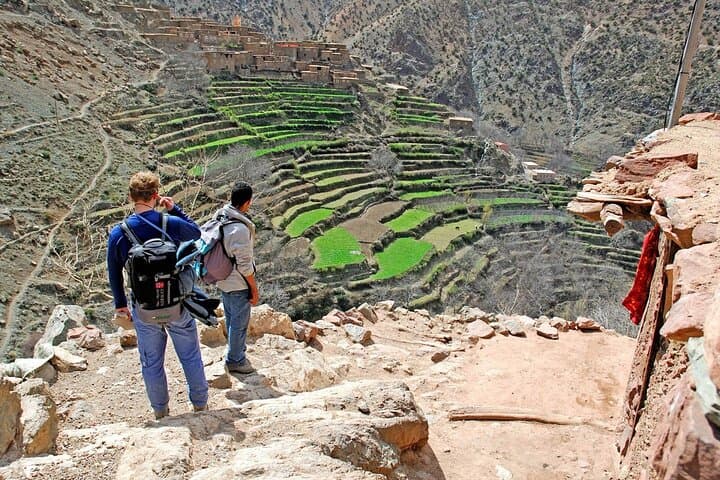
The day trip moves from Jamaa el-Fna through Ourika and into narrow valleys where streams dare you to follow them up stone-traced paths. Geology here is raw—folded sedimentary cliffs give way to volcanic outcrops and terraces carved by centuries of Berber farming. Small stone villages—Azrou, Tahnaout and Imlil—sit like practical watchpoints; life focuses on orchards of cherries, walnuts and apples and on the argan cooperatives where local women press oil in small, steady rhythms.
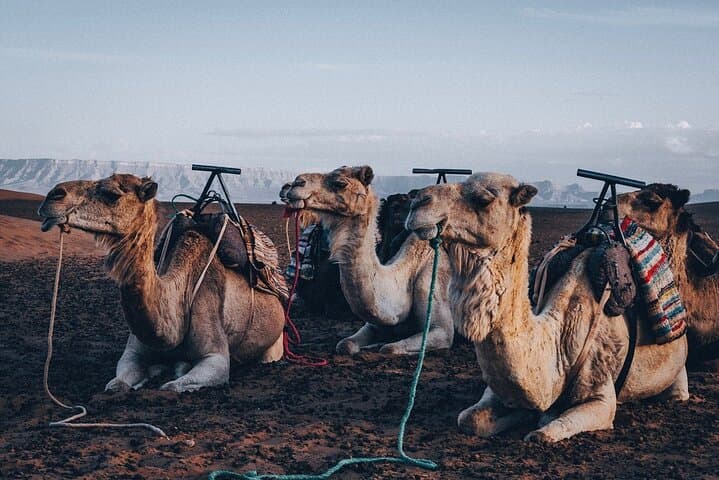
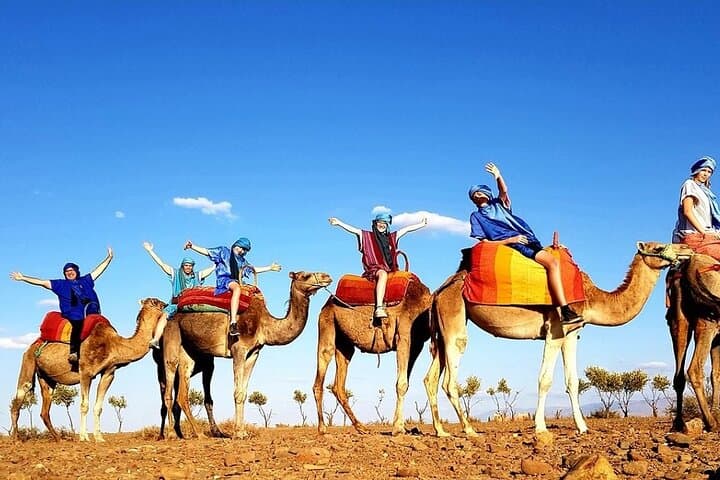
Expect a gentle camel ride beside the main road, mint tea in a cooperative, and short walks around tumbles of waterfalls near Imlil. Options include a mule trek or guided hike to Aremd and nearby cascades; Mount Toubkal looms in the distance as a vertical reference, not part of this day but always present in conversation.
Practical guidance: this is a full 7–8 hour outing with paved and dirt roads plus uneven village trails—sturdy shoes and layered clothing help. Carry cash for cooperatives and gratuities; bring a refillable bottle—water is provided but conserving plastic is appreciated. Aim for morning departures to avoid peak sun and to catch softer light for photos. The trip balances easy cultural access with enough trail time to feel like a true mountain day.
moderate.
7–8 hours.
Moderate; comfortable walking and the ability to handle short climbs on uneven terrain is recommended
Expect a 7–8 hour day including travel time; driving to the High Atlas takes about 1–1.5 hours each way depending on exact stops.
Yes—the camel segment is short (about 30 minutes) and generally family-friendly, though children should be supervised mounting and dismounting.
Imlil sits around 1,700–1,800 m; most visitors feel only mild effects if any. Pace yourself on walks and notify guides of any health concerns.
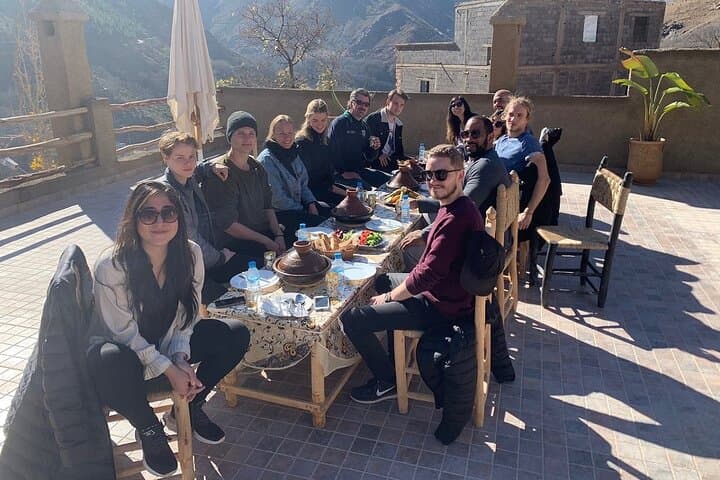
Lunch and bottled water are included; meals are typically at a local family home in a village and can accommodate common dietary needs if advised in advance.
The High Atlas is traditionally home to Amazigh (Berber) communities whose terraces and stone houses reflect centuries of mountain agriculture and trade routes to Marrakech.
Water is scarce and erosion threatens fragile terraces; support local cooperatives and stick to trails to reduce impact.
Marrakech Outdoor Trips operates guided outdoor trips and adventures with an emphasis on safety, stewardship, and memorable experiences.
Morning light tears across the red roofs of Marrakech and the road climbs toward the High Atlas, each kilometer stripping away the city’s heat until the air turns alpine and the peaks push a cool challenge toward you.
Morning light tears across the red roofs of Marrakech and the road climbs toward the High Atlas, each kilometer stripping away the city’s heat until the air turns alpine and the peaks push a cool challenge toward you.
The day trip moves from Jamaa el-Fna through Ourika and into narrow valleys where streams dare you to follow them up stone-traced paths. Geology here is raw—folded sedimentary cliffs give way to volcanic outcrops and terraces carved by centuries of Berber farming. Small stone villages—Azrou, Tahnaout and Imlil—sit like practical watchpoints; life focuses on orchards of cherries, walnuts and apples and on the argan cooperatives where local women press oil in small, steady rhythms.
Expect a gentle camel ride beside the main road, mint tea in a cooperative, and short walks around tumbles of waterfalls near Imlil. Options include a mule trek or guided hike to Aremd and nearby cascades; Mount Toubkal looms in the distance as a vertical reference, not part of this day but always present in conversation.
Practical guidance: this is a full 7–8 hour outing with paved and dirt roads plus uneven village trails—sturdy shoes and layered clothing help. Carry cash for cooperatives and gratuities; bring a refillable bottle—water is provided but conserving plastic is appreciated. Aim for morning departures to avoid peak sun and to catch softer light for photos. The trip balances easy cultural access with enough trail time to feel like a true mountain day.