
Atlas Mountains Day Trip from Marrakech: Imlil Villages, Agafay Camels & Argan Co-ops
A full-day loop from Marrakech that pairs Imlil’s mountain walks and Berber village visits with an argan-coop stop and a camel ride on the Agafay plains. Expect terraces, rocky valleys, and a home-cooked Berber lunch.
An Adventure In Marrakech.
A full-day loop from Marrakech that pairs Imlil’s mountain walks and Berber village visits with an argan-coop stop and a camel ride on the Agafay plains. Expect terraces, rocky valleys, and a home-cooked Berber lunch.
Read the full experience
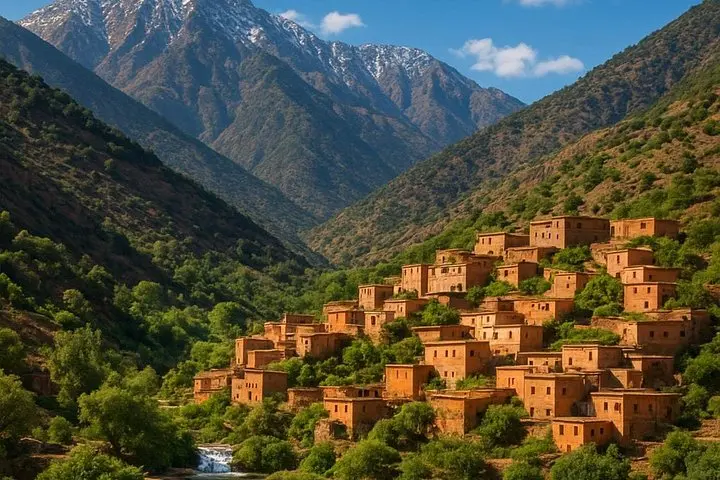
You leave Marrakech behind as the city’s flat rooftops shrink and the road tilts toward stone and scrub. By midmorning the air cools; the High Atlas rises with terraces and low berber houses clinging to gullies. The trip threads between Imlil’s walnut-scented valley and the stony sweep of the Agafay Desert, where a short camel ride feels unexpectedly cinematic against a backdrop of wind-scoured rock.
You leave Marrakech behind as the city’s flat rooftops shrink and the road tilts toward stone and scrub. By midmorning the air cools; the High Atlas rises with terraces and low berber houses clinging to gullies. The trip threads between Imlil’s walnut-scented valley and the stony sweep of the Agafay Desert, where a short camel ride feels unexpectedly cinematic against a backdrop of wind-scoured rock.
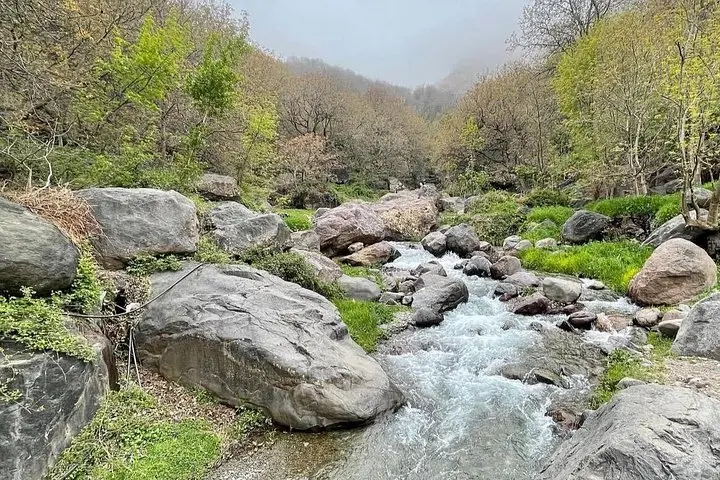
Geology here is blunt and immediate — folded limestone and volcanic plateaus cut by wadis that swell briefly in winter rains. The Atlas has shaped human life for centuries; Berber (Amazigh) villages like Ait Souka and Imi n’Tala preserve traditional stone-and-mud architecture and an economy centered on terraces, goats, and argan oil cooperatives run by local women.
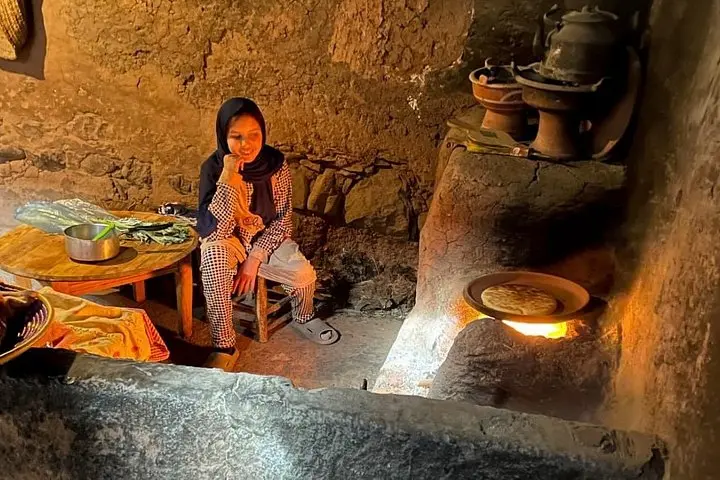
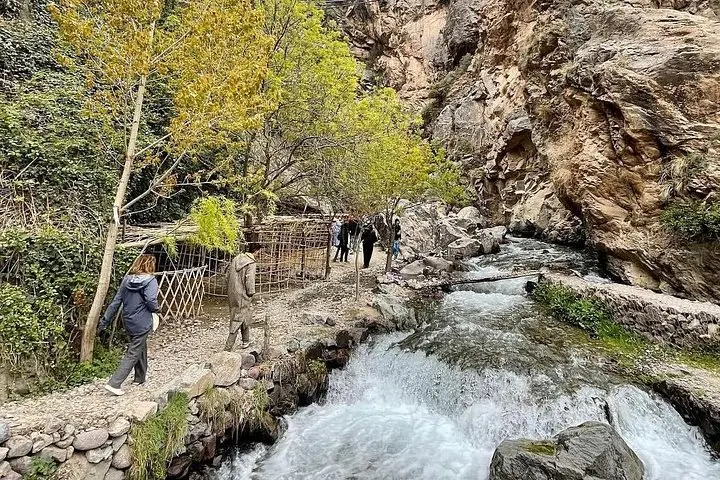
Expect guided village walks on narrow mule tracks, a home-cooked Berber lunch, and a visit to an argan collective that demonstrates pressing and bottling. The route passes Takerkoust Lake and the market town of Amizmiz for a mint tea pause before heading into the desert plain where camels wait.
Practical notes: the day is long (about 7–8 hours), with short hikes on uneven terrain and some steep sections in Imlil — basic fitness and steady footwear matter. Carry water, sun protection, and cash for small purchases at cooperatives. Start early to avoid midafternoon heat in summer and allow time for photography; local guides handle logistics and most language needs, but a few Berber phrases are appreciated. Respect village customs, ask before photographing people, and pace the mountain walks — the landscape rewards measured attention.
Frequently asked questions
Typical driving time is 45–75 minutes depending on traffic and stops; the full tour runs about 7–8 hours including transfers.
Yes — the camel ride is short and guided; operators provide basic instructions and assistance mounting and dismounting.
Lunch in a local Berber home is included; bring snacks if you have dietary restrictions and notify the operator in advance.
Some portions include uneven trails and steps; transfers are in air-conditioned vehicles and organizers list accessibility options — confirm at booking for specific needs.
About This Experience
Karim Tours operates guided outdoor trips and adventures with an emphasis on safety, stewardship, and memorable experiences.
Adventure tips
Recommended gear
- Sturdy hiking shoes: Provides traction on rocky trails and uneven village paths.
- Reusable water bottle (1–2 L): Hydration for long stretches between refreshment stops.
- Sun protection (hat, SPF, sunglasses): Open valleys and desert sections offer little shade in summer.
- Light insulating layer: Mornings can be cool in the mountains and the desert gets chilly after sunset.
Photos of the experience
Related adventures & guides
Read the full experience
You leave Marrakech behind as the city’s flat rooftops shrink and the road tilts toward stone and scrub. By midmorning the air cools; the High Atlas rises with terraces and low berber houses clinging to gullies. The trip threads between Imlil’s walnut-scented valley and the stony sweep of the Agafay Desert, where a short camel ride feels unexpectedly cinematic against a backdrop of wind-scoured rock.
You leave Marrakech behind as the city’s flat rooftops shrink and the road tilts toward stone and scrub. By midmorning the air cools; the High Atlas rises with terraces and low berber houses clinging to gullies. The trip threads between Imlil’s walnut-scented valley and the stony sweep of the Agafay Desert, where a short camel ride feels unexpectedly cinematic against a backdrop of wind-scoured rock.
Geology here is blunt and immediate — folded limestone and volcanic plateaus cut by wadis that swell briefly in winter rains. The Atlas has shaped human life for centuries; Berber (Amazigh) villages like Ait Souka and Imi n’Tala preserve traditional stone-and-mud architecture and an economy centered on terraces, goats, and argan oil cooperatives run by local women.
Expect guided village walks on narrow mule tracks, a home-cooked Berber lunch, and a visit to an argan collective that demonstrates pressing and bottling. The route passes Takerkoust Lake and the market town of Amizmiz for a mint tea pause before heading into the desert plain where camels wait.
Practical notes: the day is long (about 7–8 hours), with short hikes on uneven terrain and some steep sections in Imlil — basic fitness and steady footwear matter. Carry water, sun protection, and cash for small purchases at cooperatives. Start early to avoid midafternoon heat in summer and allow time for photography; local guides handle logistics and most language needs, but a few Berber phrases are appreciated. Respect village customs, ask before photographing people, and pace the mountain walks — the landscape rewards measured attention.
Make a day of it nearby.
Verified experiences and guided adventures in the surrounding area.