THE ADVENTURE COLLECTIVE® · Independent discovery and booking for outdoor travel

Escape Marrakech for a day in the High Atlas: hike between Berber villages, visit an argan co-op, and enjoy a family lunch with sweeping valley views. This practical guide covers what to expect, what to pack, and how to make the most of an Imlil valley day trip.
Escape Marrakech for a day in the High Atlas: hike between Berber villages, visit an argan co-op, and enjoy a family lunch with sweeping valley views. This practical guide covers what to expect, what to pack, and how to make the most of an Imlil valley day trip.
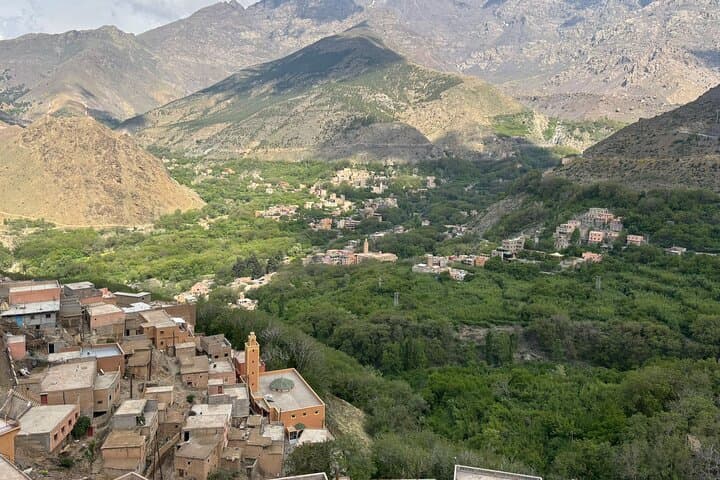
You step out of Marrakech’s morning heat into a ribbon of road that climbs toward the High Atlas, olive groves giving way to ochre cliffs and terraced fields. The air sharpens; a guide brews mint tea in Imlil and the valley answers with the distant rumble of a waterfall.
Verified experiences and guided adventures in the surrounding area.
Operated by Marrakech Outdoor Trips · Imlil, Marrakesh-Safi
You step out of Marrakech’s morning heat into a ribbon of road that climbs toward the High Atlas, olive groves giving way to ochre cliffs and terraced fields. The air sharpens; a guide brews mint tea in Imlil and the valley answers with the distant rumble of a waterfall.
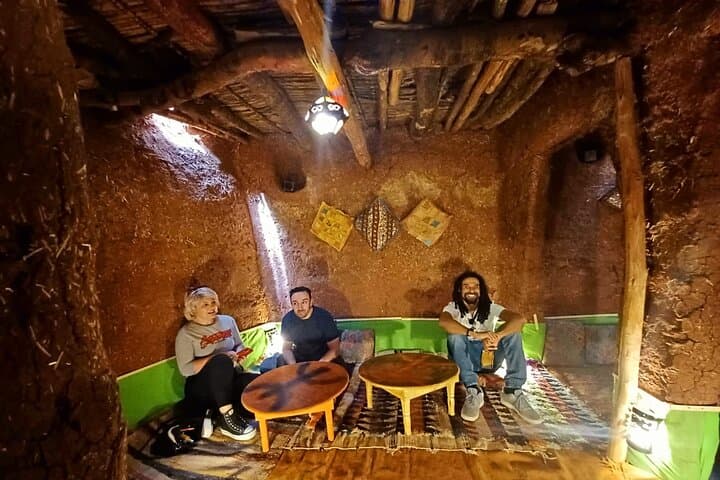
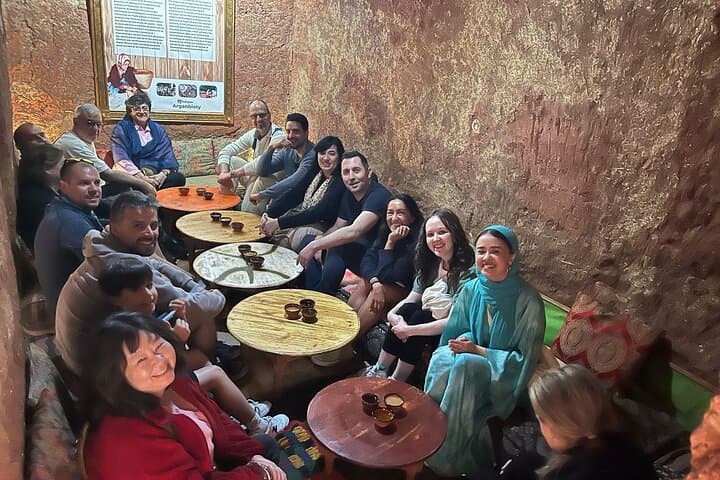
This full-day outing traces routes long used by Berber communities. Geologically the High Atlas is young and jagged—folded limestone and volcanic intrusions uplifted by tectonic pressure—so views alternate between steep gullies and broad plateaus like the Kik. Culture threads through every stop: an argan co-op near Tahnaout demonstrates centuries-old oil pressing, and Ait Souka opens its rooftop for a family-style tajine, where irrigation channels and stone terraces show local land management.
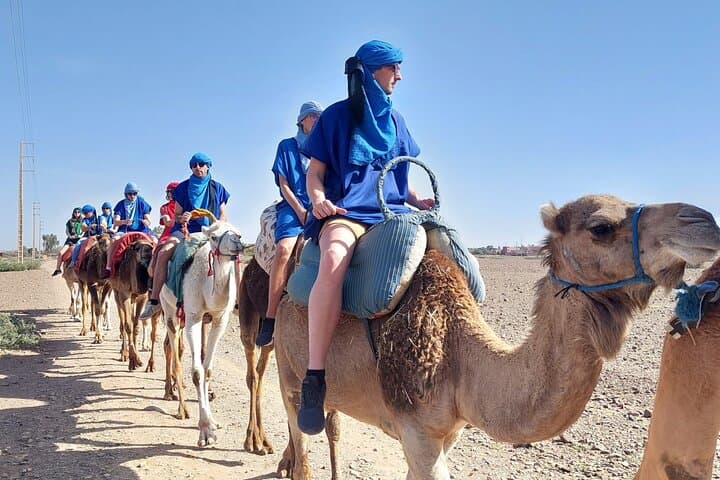
Expect light village hikes between settlements, short mule or camel rides offered for a different pace, and close-up encounters with everyday mountain life—orchards, shepherds, and small kasbahs. Waterfalls near Imlil provide cooling relief and photo-ready panoramas; bring layers as temperature can drop quickly at higher elevations.
Practical notes: the tour runs about 8–9 hours with hotel pickup in Marrakech, transport included. Wear sturdy shoes for uneven paths, carry sunscreen and a refillable water bottle, and leave extra time for narrow-road driving. Respect local customs—ask before photographing people—and travel with cash for small purchases at cooperatives. The route is accessible for most fitness levels but involves several hours on foot and uneven surfaces; plan accordingly.
moderate.
8–9 hours.
Suitable for travelers who can walk 3–6 miles on uneven terrain and handle several hours of being on foot or in a vehicle.
The tour runs about 8–9 hours, typically departing Marrakech around 09:00 and returning around 17:30 with hotel pickup and drop-off included.
Expect several short village hikes and walking on uneven terrain; it’s generally suitable for families though very young children or those with mobility issues may find some sections challenging.
Lunch and tea/coffee are included; bring extra cash for refreshments at local stalls or purchases at cooperatives.
Yes—camel or horse rides are typically offered as part of the experience, but these are optional and conducted at designated stops.
The High Atlas is home to Amazigh (Berber) communities whose stone houses and terraced fields reflect centuries of mountain agriculture and trade routes to Marrakech.
Tourism supports village economies but water is scarce; stick to trails, minimize waste, and buy local crafts sustainably to benefit communities.
Marrakech Outdoor Trips operates guided outdoor trips and adventures with an emphasis on safety, stewardship, and memorable experiences.
You step out of Marrakech’s morning heat into a ribbon of road that climbs toward the High Atlas, olive groves giving way to ochre cliffs and terraced fields. The air sharpens; a guide brews mint tea in Imlil and the valley answers with the distant rumble of a waterfall.
You step out of Marrakech’s morning heat into a ribbon of road that climbs toward the High Atlas, olive groves giving way to ochre cliffs and terraced fields. The air sharpens; a guide brews mint tea in Imlil and the valley answers with the distant rumble of a waterfall.
This full-day outing traces routes long used by Berber communities. Geologically the High Atlas is young and jagged—folded limestone and volcanic intrusions uplifted by tectonic pressure—so views alternate between steep gullies and broad plateaus like the Kik. Culture threads through every stop: an argan co-op near Tahnaout demonstrates centuries-old oil pressing, and Ait Souka opens its rooftop for a family-style tajine, where irrigation channels and stone terraces show local land management.
Expect light village hikes between settlements, short mule or camel rides offered for a different pace, and close-up encounters with everyday mountain life—orchards, shepherds, and small kasbahs. Waterfalls near Imlil provide cooling relief and photo-ready panoramas; bring layers as temperature can drop quickly at higher elevations.
Practical notes: the tour runs about 8–9 hours with hotel pickup in Marrakech, transport included. Wear sturdy shoes for uneven paths, carry sunscreen and a refillable water bottle, and leave extra time for narrow-road driving. Respect local customs—ask before photographing people—and travel with cash for small purchases at cooperatives. The route is accessible for most fitness levels but involves several hours on foot and uneven surfaces; plan accordingly.