THE ADVENTURE COLLECTIVE® · Independent discovery and booking for outdoor travel

Leave Marrakech for a full-day crossing of the High Atlas to Imlil Valley: a mix of riverside walking, a visit to an argan cooperative, a Berber home lunch and a waterfall walk beneath Jbel Toubkal. Practical for any moderately active traveler.
Leave Marrakech for a full-day crossing of the High Atlas to Imlil Valley: a mix of riverside walking, a visit to an argan cooperative, a Berber home lunch and a waterfall walk beneath Jbel Toubkal. Practical for any moderately active traveler.
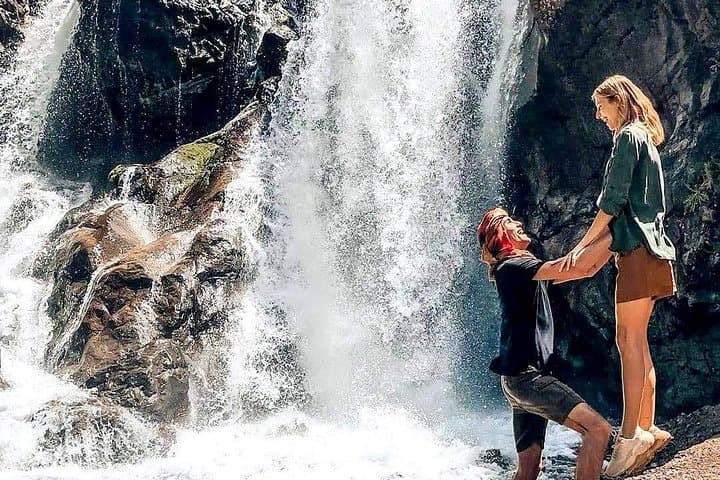
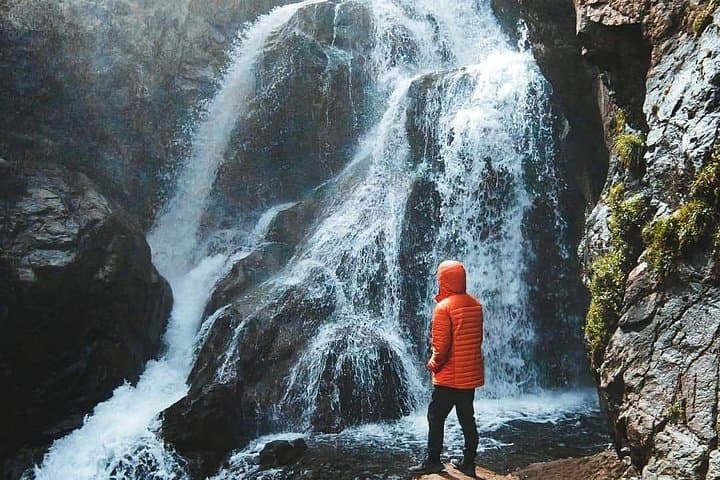
Morning light breaks over Marrakech and, within an hour, the city’s heat gives way to the crisper air of the High Atlas. By the time the minivan climbs toward Imlil (1,740 m) you’re threaded into a landscape of stony ridges, walnut trees and villages stacked along valley shoulders. The guide leads a short, steady walk along a fast-flowing stream; paths alternately tread packed dirt, mule tracks and stone steps as you pass terraced fields and a small waterfall that throws spray onto mossy rock.
Verified experiences and guided adventures in the surrounding area.
Operated by The craftsman of your trip · Imlil, Marrakesh-Safi
Morning light breaks over Marrakech and, within an hour, the city’s heat gives way to the crisper air of the High Atlas. By the time the minivan climbs toward Imlil (1,740 m) you’re threaded into a landscape of stony ridges, walnut trees and villages stacked along valley shoulders. The guide leads a short, steady walk along a fast-flowing stream; paths alternately tread packed dirt, mule tracks and stone steps as you pass terraced fields and a small waterfall that throws spray onto mossy rock.
This route crosses layers of geology: ancient schist and granite exposed by uplift and seasonal torrents. The valley has been home to Amazigh (Berber) communities for centuries; you’ll visit an argan cooperative where traditional pressing and mint-tea hospitality make local economy visible, and a family rooftop where a handmade lunch highlights homegrown produce.
Expect easy-to-moderate walking rather than technical mountaineering—this day reaches impressive views toward Jbel Toubkal (4,167 m) but does not summit. Footing can be uneven and wet near falls; mule tracks are common and livestock move through villages. On Saturdays and Tuesdays the route can include a lively local souk, a good place to see everyday mountain life.
Practical guidance: wear grippy shoes, bring 1–2 liters of water, sun protection and a light layer for cooler afternoons. Carry small cash for cooperative purchases and tips. The itinerary runs about 8–9 hours total, returning to Marrakech in the early evening — a compact day that combines riverside walking, cultural exchange and clear mountain views.
moderate.
8–9 hours.
Suitable for travelers in fair to good shape who can walk 2–4 hours on uneven terrain at altitude.
The meeting point is outside Café Argana in Jamaa el Fna square at 8:30 am; return to Marrakech is around 5:30 pm.
The itinerary is described as physically easy and suitable for most ages, but be prepared for uneven paths; infants may need to sit in laps in vehicles.
A homemade Berber lunch and mint tea are included; additional snacks or purchases at cooperatives are extra.
You’ll get views toward Jbel Toubkal (4,167 m) but the day trip does not include a summit attempt; this is a valley hike and cultural visit.
The High Atlas has long been home to Amazigh (Berber) communities; villages here preserve traditional stone-and-mud architecture and communal agricultural systems.
Support small cooperatives and follow marked paths to limit erosion; many local projects rely on tourism income to maintain terraces and water management.
The craftsman of your trip operates guided outdoor trips and adventures with an emphasis on safety, stewardship, and memorable experiences.
Morning light breaks over Marrakech and, within an hour, the city’s heat gives way to the crisper air of the High Atlas. By the time the minivan climbs toward Imlil (1,740 m) you’re threaded into a landscape of stony ridges, walnut trees and villages stacked along valley shoulders. The guide leads a short, steady walk along a fast-flowing stream; paths alternately tread packed dirt, mule tracks and stone steps as you pass terraced fields and a small waterfall that throws spray onto mossy rock.
Morning light breaks over Marrakech and, within an hour, the city’s heat gives way to the crisper air of the High Atlas. By the time the minivan climbs toward Imlil (1,740 m) you’re threaded into a landscape of stony ridges, walnut trees and villages stacked along valley shoulders. The guide leads a short, steady walk along a fast-flowing stream; paths alternately tread packed dirt, mule tracks and stone steps as you pass terraced fields and a small waterfall that throws spray onto mossy rock.
This route crosses layers of geology: ancient schist and granite exposed by uplift and seasonal torrents. The valley has been home to Amazigh (Berber) communities for centuries; you’ll visit an argan cooperative where traditional pressing and mint-tea hospitality make local economy visible, and a family rooftop where a handmade lunch highlights homegrown produce.
Expect easy-to-moderate walking rather than technical mountaineering—this day reaches impressive views toward Jbel Toubkal (4,167 m) but does not summit. Footing can be uneven and wet near falls; mule tracks are common and livestock move through villages. On Saturdays and Tuesdays the route can include a lively local souk, a good place to see everyday mountain life.
Practical guidance: wear grippy shoes, bring 1–2 liters of water, sun protection and a light layer for cooler afternoons. Carry small cash for cooperative purchases and tips. The itinerary runs about 8–9 hours total, returning to Marrakech in the early evening — a compact day that combines riverside walking, cultural exchange and clear mountain views.