THE ADVENTURE COLLECTIVE® · Independent discovery and booking for outdoor travel

Escape Marrakech for a day in the High Atlas: a scenic drive, an argan cooperative visit, and a guided walk through Berber villages and waterfalls in the Imlil Valley. Expect 8–9 hours with moderate walking and a family-style lunch.
Escape Marrakech for a day in the High Atlas: a scenic drive, an argan cooperative visit, and a guided walk through Berber villages and waterfalls in the Imlil Valley. Expect 8–9 hours with moderate walking and a family-style lunch.
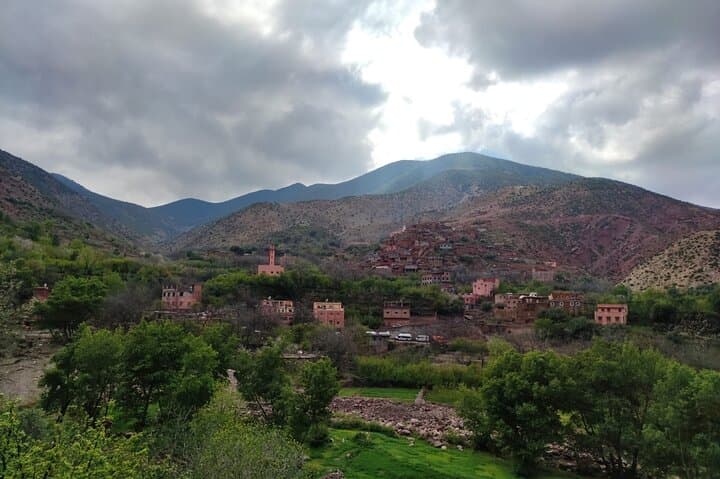
You leave Marrakech behind as the city’s heat and honking fall away, replaced by a narrowing ribbon of road that climbs into the High Atlas. Olive groves and terraced fields blur past the window; by mid-morning you’re photographing the first ochre villages of Tahanaout and stopping at a women’s argan cooperative where the scent of toasted kernels fills the air.
Verified experiences and guided adventures in the surrounding area.
Operated by Tours Around Morocco · Imlil, Marrakech-Safi
You leave Marrakech behind as the city’s heat and honking fall away, replaced by a narrowing ribbon of road that climbs into the High Atlas. Olive groves and terraced fields blur past the window; by mid-morning you’re photographing the first ochre villages of Tahanaout and stopping at a women’s argan cooperative where the scent of toasted kernels fills the air.
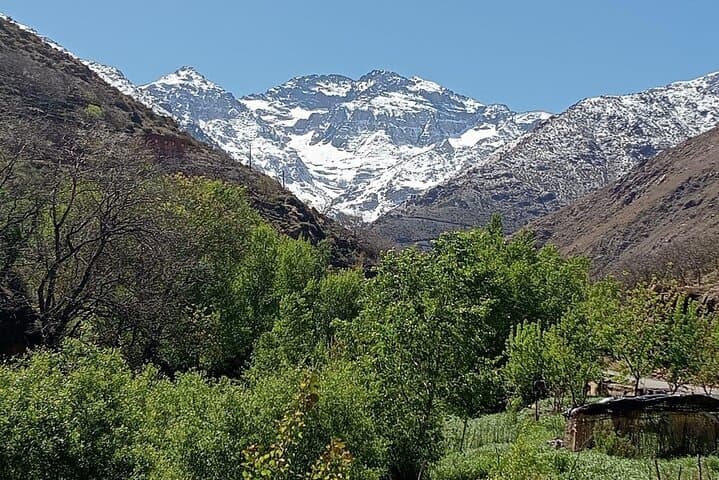
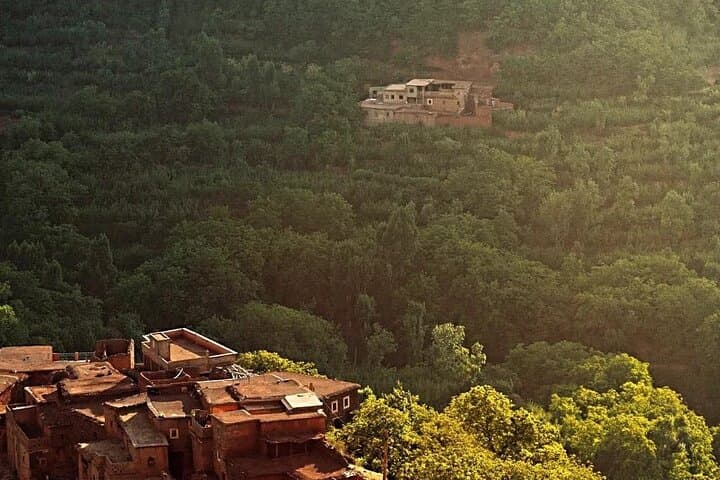
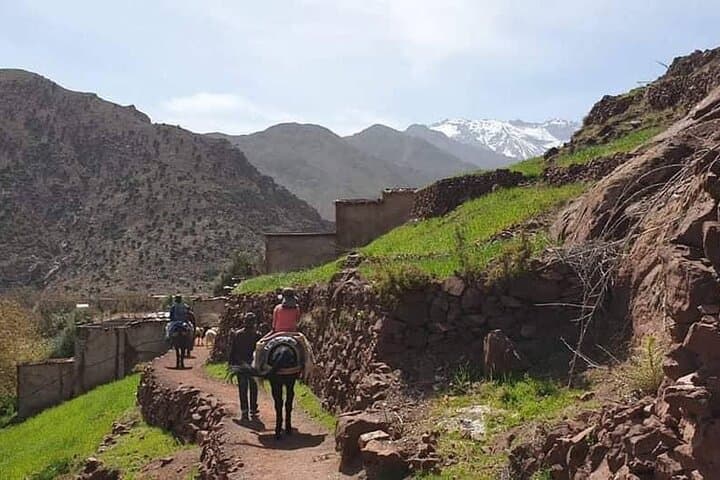
Geology here is blunt and honest — folded volcanic and sedimentary ridges carved by winter torrents. The Imlil Valley sits on the lower flank of Jbel Toubkal and funnels snowmelt into gullies, feeding the small waterfalls you’ll follow on a walk through stone-built Berber villages. The human history is visible in dry-stone terraces, mule tracks and cooperative-run homes where centuries-old mountain culture adapts to tourism.
Expect a full day: roughly 8–9 hours total, about 30–90 minutes driving each way depending on traffic and stops, and 2–4 hours of walking on dirt tracks and stepped village lanes. Routes commonly cover 2–6 km round-trip with 200–400 m of climbing if you push up to Aremd or the main waterfall.
Practical notes: wear sturdy shoes with grip for loose stones, bring a refillable water bottle and sun protection, and carry small change for the cooperative and tea. Timed right (morning departures) you’ll miss the hottest part of the day and have clearer mountain views. Be respectful in family homes — photography and modest dress go a long way. This trip balances accessible hiking with cultural contact and panoramic mountain scenery.
moderate.
8–9 hours.
Suitable for travellers with a moderate level of fitness able to walk 2–6 km on uneven terrain and handle short climbs of a few hundred metres.
Driving time is typically 60–90 minutes to Imlil depending on traffic and stops, with additional short drives to viewpoints or villages.
Yes — walks are generally gentle-to-moderate on village paths; some routes include uphill sections but professional guides keep the pace accessible.
Yes — the family-style mountain lunch usually includes bread, salads, tagines and can accommodate vegetarian requests if mentioned at booking.
Basic restrooms are available at cooperative stops and in village cafés; facilities are rustic compared with city standards.
The valleys are home to Amazigh (Berber) communities whose terrace agriculture and mule tracks reflect centuries of mountain living; argan cooperatives support local women’s income.
Tourism supports local economies but increases pressure on water and trails; stay on paths, carry out waste and favor cooperatives and family-run meals to keep benefits local.
Tours Around Morocco operates guided outdoor trips and adventures with an emphasis on safety, stewardship, and memorable experiences.
You leave Marrakech behind as the city’s heat and honking fall away, replaced by a narrowing ribbon of road that climbs into the High Atlas. Olive groves and terraced fields blur past the window; by mid-morning you’re photographing the first ochre villages of Tahanaout and stopping at a women’s argan cooperative where the scent of toasted kernels fills the air.
You leave Marrakech behind as the city’s heat and honking fall away, replaced by a narrowing ribbon of road that climbs into the High Atlas. Olive groves and terraced fields blur past the window; by mid-morning you’re photographing the first ochre villages of Tahanaout and stopping at a women’s argan cooperative where the scent of toasted kernels fills the air.
Geology here is blunt and honest — folded volcanic and sedimentary ridges carved by winter torrents. The Imlil Valley sits on the lower flank of Jbel Toubkal and funnels snowmelt into gullies, feeding the small waterfalls you’ll follow on a walk through stone-built Berber villages. The human history is visible in dry-stone terraces, mule tracks and cooperative-run homes where centuries-old mountain culture adapts to tourism.
Expect a full day: roughly 8–9 hours total, about 30–90 minutes driving each way depending on traffic and stops, and 2–4 hours of walking on dirt tracks and stepped village lanes. Routes commonly cover 2–6 km round-trip with 200–400 m of climbing if you push up to Aremd or the main waterfall.
Practical notes: wear sturdy shoes with grip for loose stones, bring a refillable water bottle and sun protection, and carry small change for the cooperative and tea. Timed right (morning departures) you’ll miss the hottest part of the day and have clearer mountain views. Be respectful in family homes — photography and modest dress go a long way. This trip balances accessible hiking with cultural contact and panoramic mountain scenery.