THE ADVENTURE COLLECTIVE® · Independent discovery and booking for outdoor travel

Escape Marrakech for a day in the High Atlas: hike along mule tracks in imlil Valley, visit a Berber house, and reach the Setti Fatma waterfalls. This private day tour blends culture, short hikes, and mountain scenery within a 6–7 hour outing.
Escape Marrakech for a day in the High Atlas: hike along mule tracks in imlil Valley, visit a Berber house, and reach the Setti Fatma waterfalls. This private day tour blends culture, short hikes, and mountain scenery within a 6–7 hour outing.
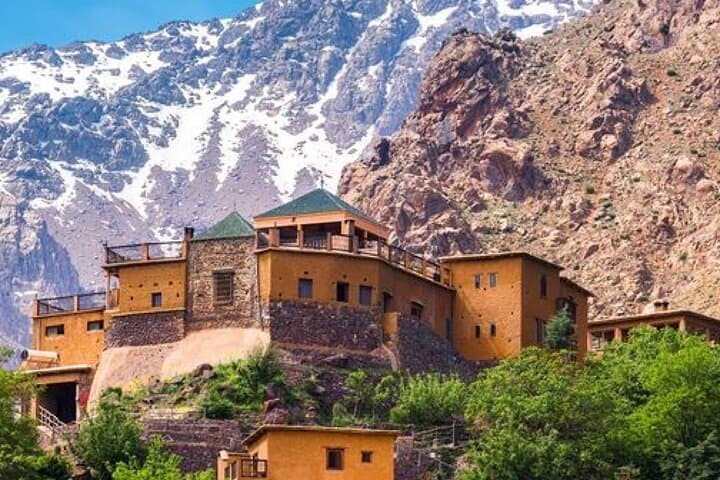
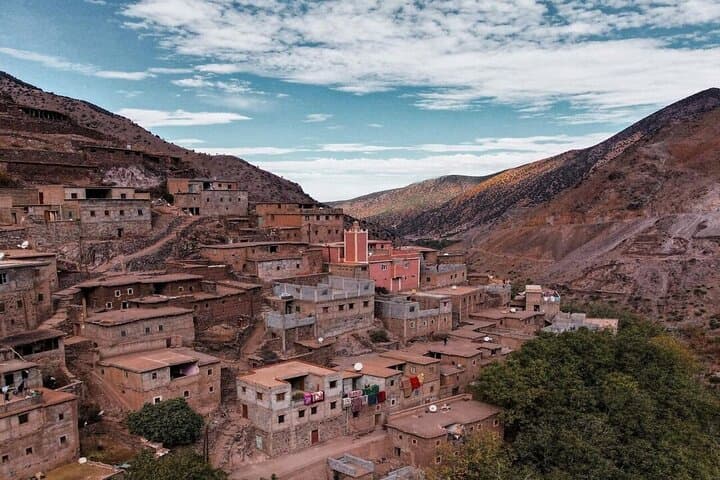
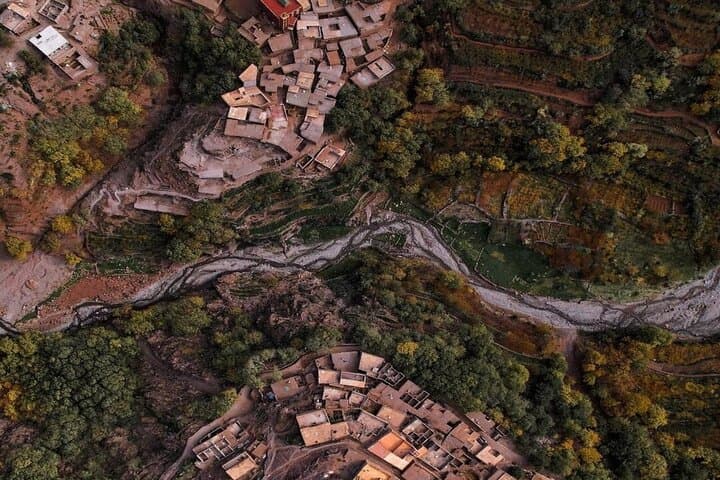
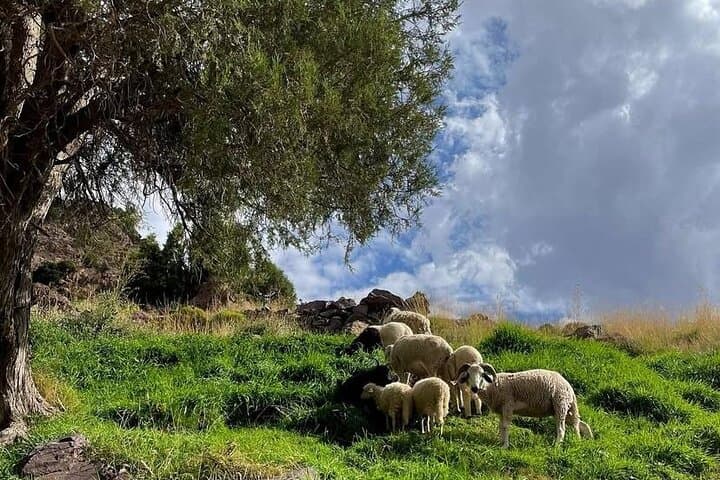
A highland wind cuts across the road as the city falls away and the red ochre of Marrakech gives way to terraces and basalt ridgelines. Within an hour you arrive in the imlil Valley, where stacked fields and stone homes climb toward the High Atlas. The trailheads here open onto paths lined with walnut and olive trees, and the constant undercurrent of running water dares you onward toward the Setti Fatma falls.
Verified experiences and guided adventures in the surrounding area.
Operated by Marrakesh Best Tickets · Imlil, Marrakech-Safi
A highland wind cuts across the road as the city falls away and the red ochre of Marrakech gives way to terraces and basalt ridgelines. Within an hour you arrive in the imlil Valley, where stacked fields and stone homes climb toward the High Atlas. The trailheads here open onto paths lined with walnut and olive trees, and the constant undercurrent of running water dares you onward toward the Setti Fatma falls.
The High Atlas are young mountains by geological standards, folded by African-Eurasian plate collision; valleys like imlil have been shaped by seasonal streams and human terraces for centuries. This is Berber country — expect warm hospitality, homes built from local stone, and market stalls selling honey, argan oil, and woven textiles. Small cooperatives offer insight into daily life and the region’s reliance on mountain agriculture.
On the route to Setti Fatma you’ll walk uneven, rocky tracks and mule trails—roughly 3–6 km of walking on compact dirt with intermittent stone steps and 200–400 m of cumulative ascent depending on how far you climb. Terrain is moderate; the pace is broken by viewpoints, tea stops, and a chance to visit a family home or cooperative.
Plan for sun and sudden weather shifts: layered clothing, sturdy footwear, and at least 1–2 liters of water. Private transport from Marrakech makes this doable as a long day trip (about 6–7 hours total). Respect local customs, tip guides where appropriate, and leave traces minimal—these valleys are working landscapes as much as scenic ones.
moderate.
6–7 hours (including transport).
Moderate fitness; able to walk up to 4–6 km on uneven terrain and handle short steep sections
The drive to imlil Valley is roughly 45–75 minutes depending on traffic and your pickup location in Marrakech.
Older children who are comfortable walking on uneven ground can do the main paths; families should plan shorter sections and frequent rests.
Typical inclusions are private transport, bottled water, lunch, a local-speaking guide, and visits to cooperatives and a Berber house as stated by the operator.
Facilities are limited—small cafes and village stops offer basic toilets; bring hand sanitizer and tissues.
The High Atlas has been inhabited by Amazigh (Berber) communities for millennia; terraces and irrigation systems reflect long-standing mountain agriculture.
Support local cooperatives, avoid single-use plastics, and stick to established trails to reduce erosion and protect water sources.
Marrakesh Best Tickets operates guided outdoor trips and adventures with an emphasis on safety, stewardship, and memorable experiences.
A highland wind cuts across the road as the city falls away and the red ochre of Marrakech gives way to terraces and basalt ridgelines. Within an hour you arrive in the imlil Valley, where stacked fields and stone homes climb toward the High Atlas. The trailheads here open onto paths lined with walnut and olive trees, and the constant undercurrent of running water dares you onward toward the Setti Fatma falls.
A highland wind cuts across the road as the city falls away and the red ochre of Marrakech gives way to terraces and basalt ridgelines. Within an hour you arrive in the imlil Valley, where stacked fields and stone homes climb toward the High Atlas. The trailheads here open onto paths lined with walnut and olive trees, and the constant undercurrent of running water dares you onward toward the Setti Fatma falls.
The High Atlas are young mountains by geological standards, folded by African-Eurasian plate collision; valleys like imlil have been shaped by seasonal streams and human terraces for centuries. This is Berber country — expect warm hospitality, homes built from local stone, and market stalls selling honey, argan oil, and woven textiles. Small cooperatives offer insight into daily life and the region’s reliance on mountain agriculture.
On the route to Setti Fatma you’ll walk uneven, rocky tracks and mule trails—roughly 3–6 km of walking on compact dirt with intermittent stone steps and 200–400 m of cumulative ascent depending on how far you climb. Terrain is moderate; the pace is broken by viewpoints, tea stops, and a chance to visit a family home or cooperative.
Plan for sun and sudden weather shifts: layered clothing, sturdy footwear, and at least 1–2 liters of water. Private transport from Marrakech makes this doable as a long day trip (about 6–7 hours total). Respect local customs, tip guides where appropriate, and leave traces minimal—these valleys are working landscapes as much as scenic ones.