THE ADVENTURE COLLECTIVE® · Independent discovery and booking for outdoor travel

A private full-day from Marrakech into the High Atlas to hike Imlil valley, ride a camel on the foothills and share a homemade Berber lunch. Expect rocky trails, short steep pitches and a cultural stop at a local home.
A private full-day from Marrakech into the High Atlas to hike Imlil valley, ride a camel on the foothills and share a homemade Berber lunch. Expect rocky trails, short steep pitches and a cultural stop at a local home.
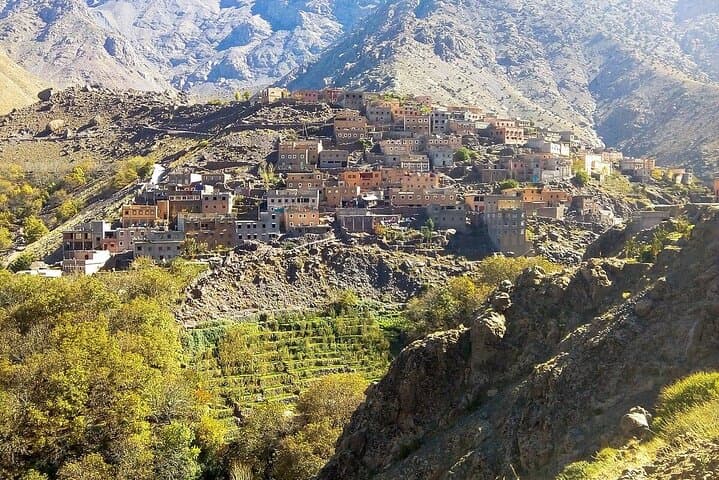
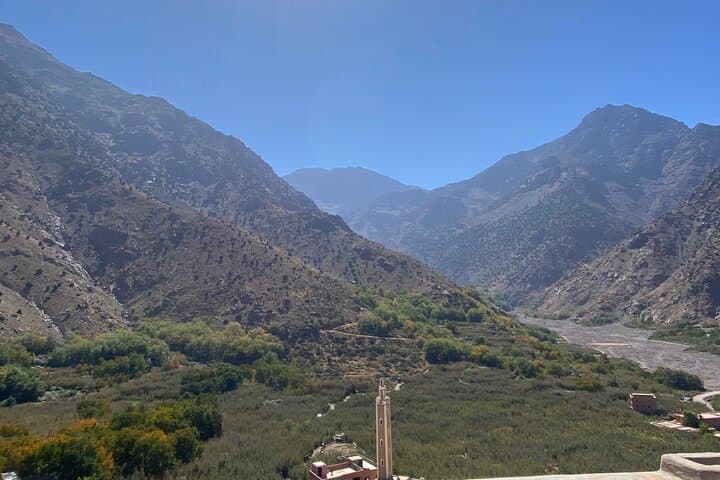
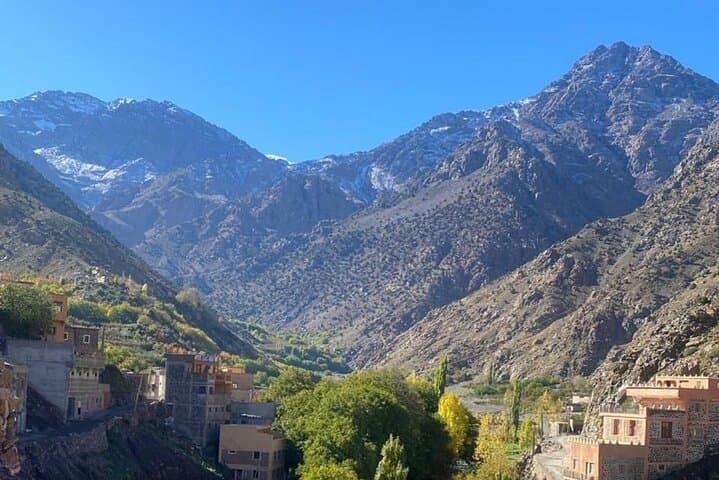
Morning light breaks over red-roofed Marrakech and the road to the High Atlas unfurls like a living map—olive groves, terraced fields and serrated ridgelines guiding you toward Imlil valley. The valley air feels cooler here; wind and pine trade places as your driver climbs toward villages clinging to the slopes. Expect a day that alternates between gentle walking on mule tracks, a short camel ride across lower, arid foothills, and a cultural pause in a Berber home for a homemade tagine.
Verified experiences and guided adventures in the surrounding area.
Operated by Mansour Travel Tours · Imlil, Marrakesh-Safi
Morning light breaks over red-roofed Marrakech and the road to the High Atlas unfurls like a living map—olive groves, terraced fields and serrated ridgelines guiding you toward Imlil valley. The valley air feels cooler here; wind and pine trade places as your driver climbs toward villages clinging to the slopes. Expect a day that alternates between gentle walking on mule tracks, a short camel ride across lower, arid foothills, and a cultural pause in a Berber home for a homemade tagine.
Geologically the High Atlas is young and restless: folded limestone and volcanic intrusions shaped by tectonic uplift that created sharp ridges and fast-draining soils. Imlil sits at roughly 1,650–1,800 m, a gateway used for generations by Amazigh (Berber) shepherds and mountain traders. Local life still orbits seasonal agriculture, mule transport and guesthouse hospitality—so conversations over lunch often include practical village knowledge as much as folklore.
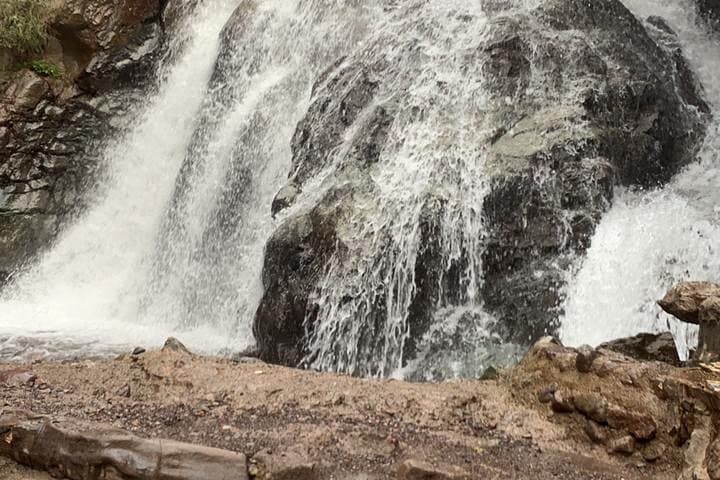
On the trail you’ll cover uneven stone and dirt paths, small stream crossings and short steep pitches; plan for about 6 km round-trip with roughly 250–400 m total elevation gain depending on the waterfall you aim for. Trails can be rocky and slick after rain, and shade is intermittent.
Practical notes: leave Marrakech early to avoid midday heat, bring 1.5–2 L water, sturdy shoes, sun protection and layers for cooler afternoons. The trip is private, includes hotel pickup and a home-cooked lunch, and is an accessible way to experience Atlas scenery and Amazigh hospitality in a single, well-paced day.
moderate.
8–9 hours.
Comfortable walking ability with experience on uneven ground; brief steep sections require steady footing.
Expect about 1–1.5 hours each way depending on traffic and stops; the operator typically includes a photo stop in Asni en route.
The route is child-friendly and generally accessible for active older travelers, but those with mobility issues or serious back problems should avoid it.
Hotel pickup and drop-off in Marrakech, transportation, a local guide, a short hike in Imlil valley, a camel ride on lower slopes, and a traditional Berber lunch at a family home.
Yes—carry local currency for tips, small purchases or extra drinks; card acceptance in villages is rare.
The Imlil valley has long been a highland crossroads for Amazigh shepherds and traders; its villages served as staging points for ascents of Mount Toubkal, North Africa's highest peak.
Tourism supports local families but increases pressure on water and waste systems; choose operators who use local guides and minimize plastic waste.
Mansour Travel Tours operates guided outdoor trips and adventures with an emphasis on safety, stewardship, and memorable experiences.
Morning light breaks over red-roofed Marrakech and the road to the High Atlas unfurls like a living map—olive groves, terraced fields and serrated ridgelines guiding you toward Imlil valley. The valley air feels cooler here; wind and pine trade places as your driver climbs toward villages clinging to the slopes. Expect a day that alternates between gentle walking on mule tracks, a short camel ride across lower, arid foothills, and a cultural pause in a Berber home for a homemade tagine.
Morning light breaks over red-roofed Marrakech and the road to the High Atlas unfurls like a living map—olive groves, terraced fields and serrated ridgelines guiding you toward Imlil valley. The valley air feels cooler here; wind and pine trade places as your driver climbs toward villages clinging to the slopes. Expect a day that alternates between gentle walking on mule tracks, a short camel ride across lower, arid foothills, and a cultural pause in a Berber home for a homemade tagine.
Geologically the High Atlas is young and restless: folded limestone and volcanic intrusions shaped by tectonic uplift that created sharp ridges and fast-draining soils. Imlil sits at roughly 1,650–1,800 m, a gateway used for generations by Amazigh (Berber) shepherds and mountain traders. Local life still orbits seasonal agriculture, mule transport and guesthouse hospitality—so conversations over lunch often include practical village knowledge as much as folklore.
On the trail you’ll cover uneven stone and dirt paths, small stream crossings and short steep pitches; plan for about 6 km round-trip with roughly 250–400 m total elevation gain depending on the waterfall you aim for. Trails can be rocky and slick after rain, and shade is intermittent.
Practical notes: leave Marrakech early to avoid midday heat, bring 1.5–2 L water, sturdy shoes, sun protection and layers for cooler afternoons. The trip is private, includes hotel pickup and a home-cooked lunch, and is an accessible way to experience Atlas scenery and Amazigh hospitality in a single, well-paced day.