THE ADVENTURE COLLECTIVE® · Independent discovery and booking for outdoor travel

A full-day escape from Marrakech into the High Atlas: spend the morning in argan cooperatives, take a short camel ride, then hike 2.5 hours through cedar forests and Berber villages around Imlil before lunch in a traditional house.
A full-day escape from Marrakech into the High Atlas: spend the morning in argan cooperatives, take a short camel ride, then hike 2.5 hours through cedar forests and Berber villages around Imlil before lunch in a traditional house.
You leave Marrakech before dawn and the city’s heat thins behind the bus windows as the High Atlas fills the horizon—rock ribs catching light, slopes rising toward Mount Toubkal (4,167 m). By midmorning the vehicle pulls into Imlil (1,740 m), a cluster of stone houses where mule tracks, terraced fields and cedar draws frame the valley.
Verified experiences and guided adventures in the surrounding area.
Operated by Marrakech Tours Excursions · Imlil, Marrakech-Safi
You leave Marrakech before dawn and the city’s heat thins behind the bus windows as the High Atlas fills the horizon—rock ribs catching light, slopes rising toward Mount Toubkal (4,167 m). By midmorning the vehicle pulls into Imlil (1,740 m), a cluster of stone houses where mule tracks, terraced fields and cedar draws frame the valley.
The route threads Berber villages and argan groves; you’ll visit a women’s cooperative to see traditional argan oil production and learn how the tree shapes local livelihoods. Geologically, the High Atlas is young and rugged—folded sedimentary strata carved by seasonal run-off—and the landscape changes quickly from olive groves to basalt scree as elevation rises.
A 30-minute camel ride across a stubbled plain offers a historical jolt: camels remained practical transport in mountain trade routes for centuries, and their slow motion compels a different pace of travel. The guided walk through hills and cedar forests lasts roughly 2.5 hours, with moderate climbs, rocky tracks and occasional steep steps between Berber hamlets. Lunch in a Berber house finishes the day with local tagine and mint tea.
Practical guide: expect an 8–9 hour day including round-trip transport from Marrakech and an introduction at 8:30 a.m. Wear sturdy shoes for uneven, rocky trails and layered clothing for variable mountain weather. Carry at least 1.5–2 liters of water, sun protection and some cash for cooperatives or souvenirs. Those with moderate fitness will appreciate the steady climbs; hire a local guide if you want deeper cultural context or a gentler pace.
moderate.
8–9 hours.
Moderate fitness—comfortable with a 2–3 hour hike on uneven terrain and short, steady climbs
The guided walk is about 2.5 hours across hills, forests and between Berber houses, with moderate ascents and rocky footing.
The 30-minute camel ride is short and generally accessible, but riders with mobility issues or very young children should check with the operator beforehand.
No technical experience required—moderate fitness and comfortable walking on uneven ground are sufficient.
Typical inclusions are round-trip transport from Marrakech in an air-conditioned vehicle, lunch in a Berber house and the camel ride; confirm details with the operator.
Imlil has long been a staging point for ascents of Toubkal and a crossroads for Berber communities; terraces and stone mills reflect centuries of mountain agriculture.
Water is scarce in summer and argan forests are economically important; support local cooperatives and stay on trails to prevent erosion and protect fragile terraces.
Marrakech Tours Excursions operates guided outdoor trips and adventures with an emphasis on safety, stewardship, and memorable experiences.
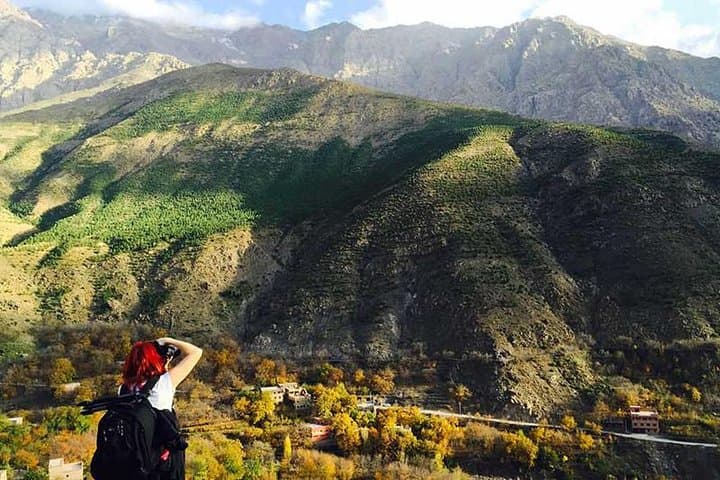
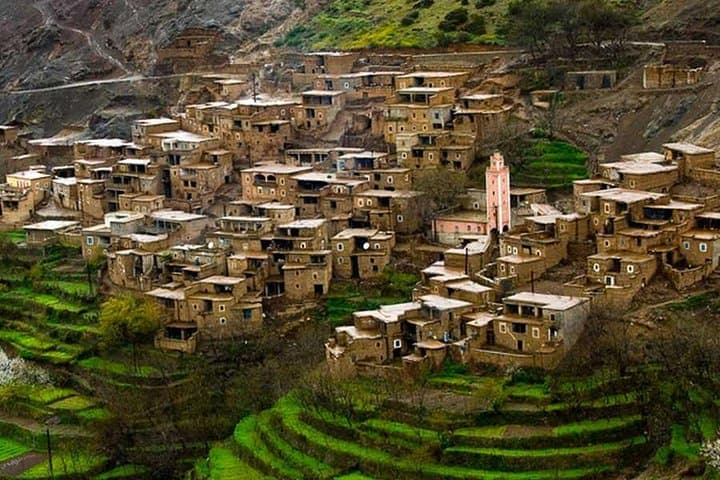
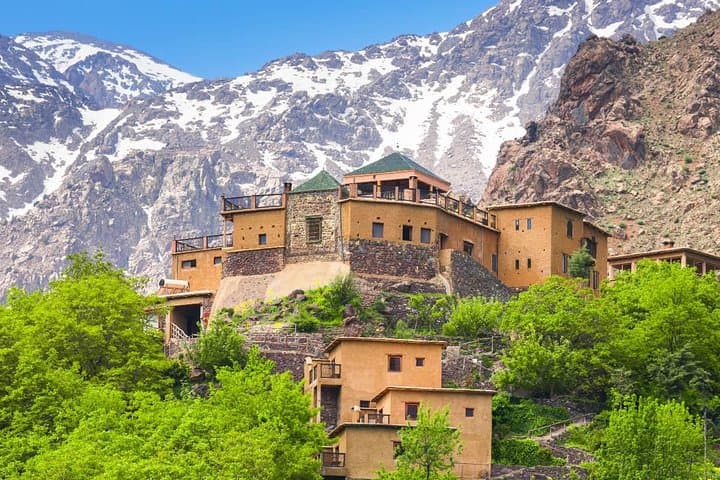
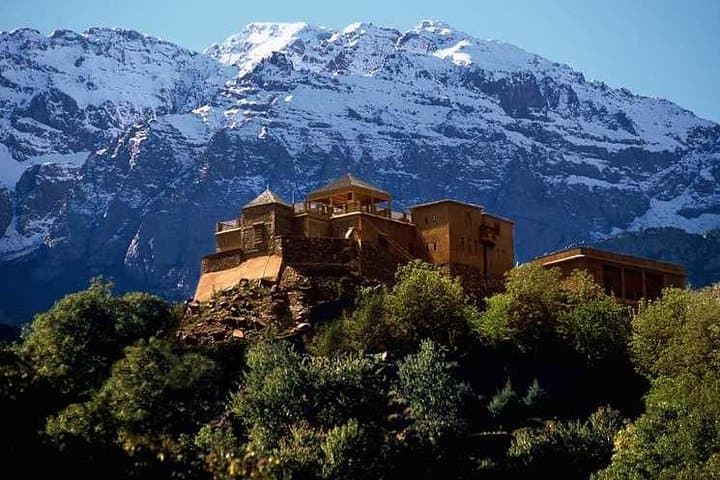
You leave Marrakech before dawn and the city’s heat thins behind the bus windows as the High Atlas fills the horizon—rock ribs catching light, slopes rising toward Mount Toubkal (4,167 m). By midmorning the vehicle pulls into Imlil (1,740 m), a cluster of stone houses where mule tracks, terraced fields and cedar draws frame the valley.
You leave Marrakech before dawn and the city’s heat thins behind the bus windows as the High Atlas fills the horizon—rock ribs catching light, slopes rising toward Mount Toubkal (4,167 m). By midmorning the vehicle pulls into Imlil (1,740 m), a cluster of stone houses where mule tracks, terraced fields and cedar draws frame the valley.
The route threads Berber villages and argan groves; you’ll visit a women’s cooperative to see traditional argan oil production and learn how the tree shapes local livelihoods. Geologically, the High Atlas is young and rugged—folded sedimentary strata carved by seasonal run-off—and the landscape changes quickly from olive groves to basalt scree as elevation rises.
A 30-minute camel ride across a stubbled plain offers a historical jolt: camels remained practical transport in mountain trade routes for centuries, and their slow motion compels a different pace of travel. The guided walk through hills and cedar forests lasts roughly 2.5 hours, with moderate climbs, rocky tracks and occasional steep steps between Berber hamlets. Lunch in a Berber house finishes the day with local tagine and mint tea.
Practical guide: expect an 8–9 hour day including round-trip transport from Marrakech and an introduction at 8:30 a.m. Wear sturdy shoes for uneven, rocky trails and layered clothing for variable mountain weather. Carry at least 1.5–2 liters of water, sun protection and some cash for cooperatives or souvenirs. Those with moderate fitness will appreciate the steady climbs; hire a local guide if you want deeper cultural context or a gentler pace.