THE ADVENTURE COLLECTIVE® · Independent discovery and booking for outdoor travel

Escape Marrakech for a full-day climb into the High Atlas: short hikes through orchards, a camel ride, an argan cooperative visit, and a traditional Berber lunch in Imlil or Ait Souka. This accessible day trip blends light trekking with cultural stops and panoramic valley views.
Escape Marrakech for a full-day climb into the High Atlas: short hikes through orchards, a camel ride, an argan cooperative visit, and a traditional Berber lunch in Imlil or Ait Souka. This accessible day trip blends light trekking with cultural stops and panoramic valley views.
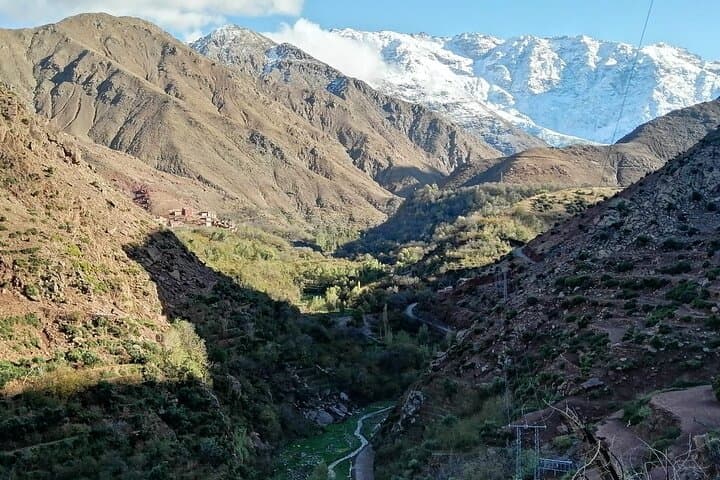
A cool pre-dawn air rides the minibus as Marrakech dwindles behind you and the High Atlas rises ahead—rock faces dark, terraced orchards brightening with the morning sun. The road climbs, olive groves and argan trees slipping past, and by mid-morning you’re breathing valley air that pushes you into the landscape instead of away from it.
Verified experiences and guided adventures in the surrounding area.
Operated by Tours Around Morocco · Imlil, Marrakesh-Safi
A cool pre-dawn air rides the minibus as Marrakech dwindles behind you and the High Atlas rises ahead—rock faces dark, terraced orchards brightening with the morning sun. The road climbs, olive groves and argan trees slipping past, and by mid-morning you’re breathing valley air that pushes you into the landscape instead of away from it.
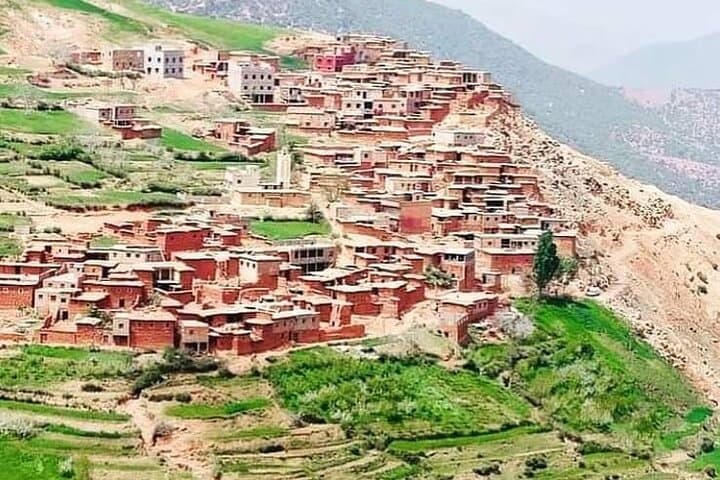
Geology here is blunt and honest: folded and faulted sedimentary rock lifted by the same tectonics that formed North Africa’s spine. The villages—simple stone houses and flat roofs—reflect centuries of Berber life shaped around seasonal orchards and mountain water. Expect stops at an argan cooperative where women press oil and the guide explains local cooperative economics, then a short camel ride on a stubbly plain that feels more playful than romantic.
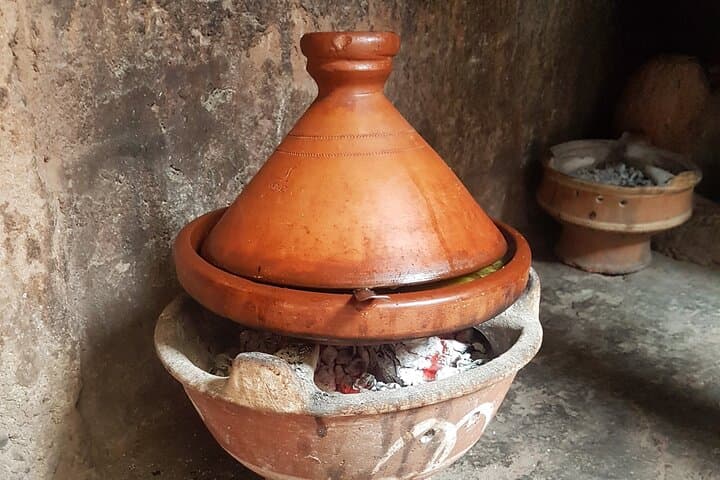
The walk into Imlil or Ait Souka varies by choice: gentle mule paths and switchbacks threaded with almond trees, small footbridges over streams, and terraces that demand a steady pace. A family-hosted berber lunch—tajine and couscous—offers a window into household hospitality.
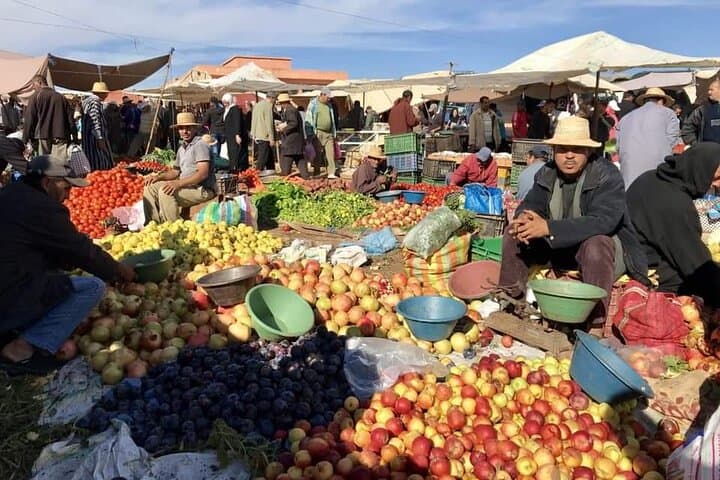
Practical guidance: wear sturdy shoes for uneven, often rocky trails; bring layers for temperature swings; carry water and cash for local purchases. Timing matters—mornings are cooler and clearer for long views; afternoons bring haze and more traffic on the roads back to Marrakech.
This day trip is approachable for moderately fit travelers who want a concentrated sense of the Atlas: walking options, cultural exchange, and landscape that keeps asserting itself with each valley turn.
moderate.
7–8 hours.
Suitable for those with a base level of fitness able to handle 2–4 miles of walking on uneven terrain and short uphill sections.
Expect roughly 1–1.5 hours each way depending on traffic and exact stops—roads climb steadily into the foothills.
Yes—guides typically offer walking, mule, or vehicle options between certain points; indicate your preference beforehand.
Local hosts can often accommodate common dietary needs with advance notice; inform the operator at booking.
The tour is family-friendly and marked 'physically easy' by the operator, but those with heart issues should consult a physician due to altitude and driving.
The High Atlas has been inhabited by Berber (Amazigh) communities for millennia; many valley routes trace ancient transhumance and trade paths.
Water is scarce in summer—favor tours that support local cooperatives and avoid single-use plastics; stick to marked paths to protect terraced agriculture.
Tours Around Morocco operates guided outdoor trips and adventures with an emphasis on safety, stewardship, and memorable experiences.
A cool pre-dawn air rides the minibus as Marrakech dwindles behind you and the High Atlas rises ahead—rock faces dark, terraced orchards brightening with the morning sun. The road climbs, olive groves and argan trees slipping past, and by mid-morning you’re breathing valley air that pushes you into the landscape instead of away from it.
A cool pre-dawn air rides the minibus as Marrakech dwindles behind you and the High Atlas rises ahead—rock faces dark, terraced orchards brightening with the morning sun. The road climbs, olive groves and argan trees slipping past, and by mid-morning you’re breathing valley air that pushes you into the landscape instead of away from it.
Geology here is blunt and honest: folded and faulted sedimentary rock lifted by the same tectonics that formed North Africa’s spine. The villages—simple stone houses and flat roofs—reflect centuries of Berber life shaped around seasonal orchards and mountain water. Expect stops at an argan cooperative where women press oil and the guide explains local cooperative economics, then a short camel ride on a stubbly plain that feels more playful than romantic.
The walk into Imlil or Ait Souka varies by choice: gentle mule paths and switchbacks threaded with almond trees, small footbridges over streams, and terraces that demand a steady pace. A family-hosted berber lunch—tajine and couscous—offers a window into household hospitality.
Practical guidance: wear sturdy shoes for uneven, often rocky trails; bring layers for temperature swings; carry water and cash for local purchases. Timing matters—mornings are cooler and clearer for long views; afternoons bring haze and more traffic on the roads back to Marrakech.
This day trip is approachable for moderately fit travelers who want a concentrated sense of the Atlas: walking options, cultural exchange, and landscape that keeps asserting itself with each valley turn.