THE ADVENTURE COLLECTIVE® · Independent discovery and booking for outdoor travel

Spend a day trading Marrakech’s medina for oak-lined valleys, short mountain hikes and a camel ride, finishing with a Berber lunch in a village. This full-day tour packs geology, culture and varied terrain into an accessible 8‑hour outing.
Spend a day trading Marrakech’s medina for oak-lined valleys, short mountain hikes and a camel ride, finishing with a Berber lunch in a village. This full-day tour packs geology, culture and varied terrain into an accessible 8‑hour outing.
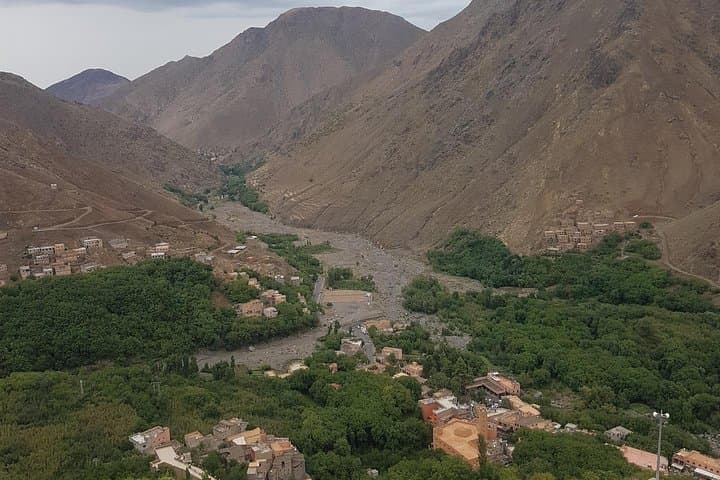
Early light lifts off Marrakech and the road climbs, trading ochre walls for terraces carved into the foothills of the High Atlas. By mid-morning the air cools; mule tracks and rocky footpaths thread through oak and almond trees, and the valley opens to views across three linked ravines.
Verified experiences and guided adventures in the surrounding area.
Operated by Tours Around Morocco · Marrakech, Marrakech-Safi
Early light lifts off Marrakech and the road climbs, trading ochre walls for terraces carved into the foothills of the High Atlas. By mid-morning the air cools; mule tracks and rocky footpaths thread through oak and almond trees, and the valley opens to views across three linked ravines.
The High Atlas is geologically young—folded and faulted sedimentary and volcanic rock pushed up by the African and Eurasian plates—so trails switch between shale scree, packed soil and paved mule routes. Berber villages here have farmed terraces and irrigated gardens for centuries; a traditional lunch of tagine and flatbread offers a direct line to that living culture. Small shrines and stone houses tell a quiet human story set against the mountains’ raw structure.
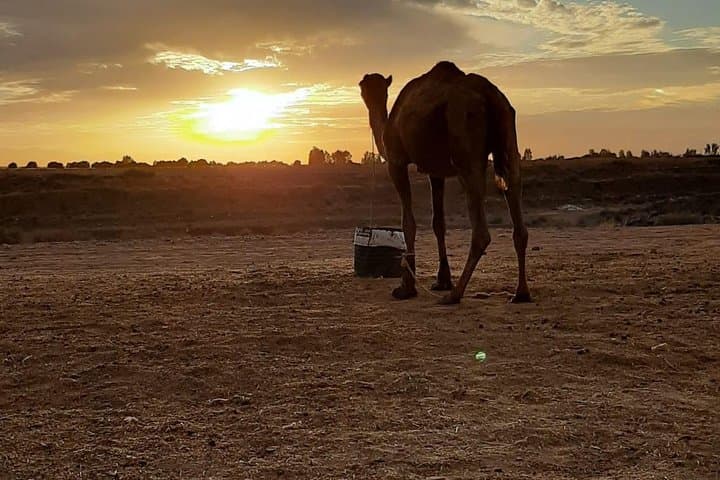
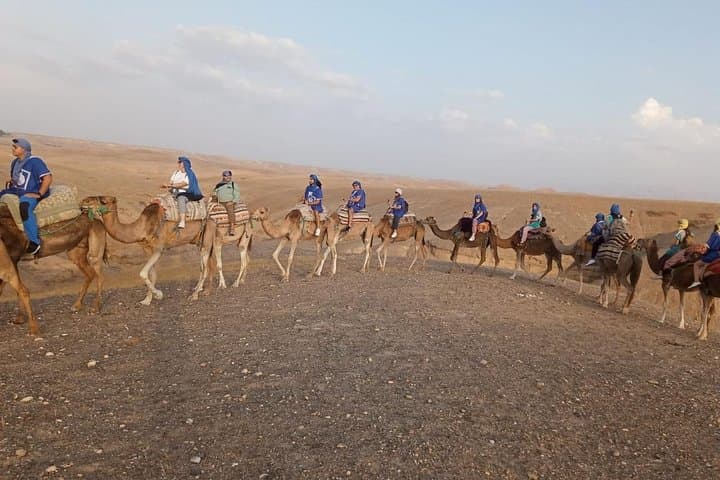
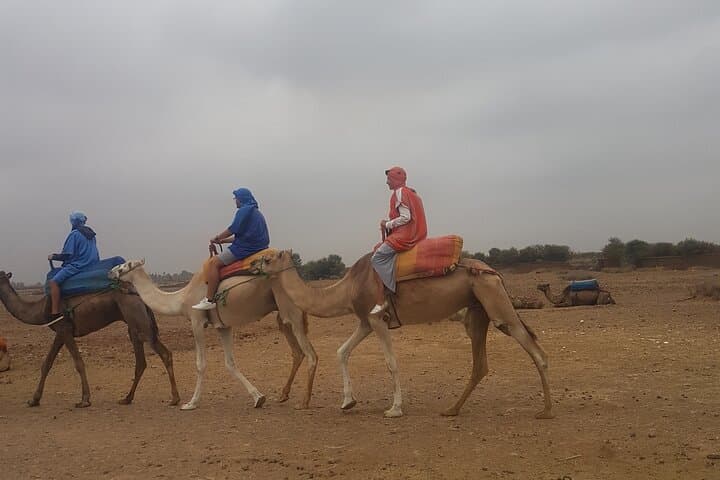
Expect a flexible day: a guided 2–4 hour hike that usually gains 200–600 m depending on the chosen valley, plus a short camel ride across lower slopes or a nearby palm grove for the novelty of riding a dromedary rather than a mountain trek. Terrain is mixed—rocky steps, stream crossings after rains, and steady uphill on good paths—so pace is variable and views come as reward.
Practical guidance: leave Marrakech early, carry 2–3 liters of water, wear broken-in hiking shoes and layered clothing for temperature swings, and bring small bills for village purchases and tips. The full excursion is roughly an 8-hour round trip with hotel pickup and drop-off included—ideal for travelers wanting an immersive mountain slice of Morocco without overnight planning.
moderate.
8 hours.
Moderate fitness; comfortable walking 3–6 miles with some sustained uphill sections and uneven terrain.
Typical round-trip transfer time is 1–1.5 hours each way depending on traffic and chosen valley, included in the 8‑hour schedule.
Yes—camel rides on this itinerary are short and guided; operators provide basic instruction and camels are led by experienced handlers.
Yes—operators usually offer flexible routes from easy valley walks to steeper village hikes; communicate fitness levels at booking for a suitable itinerary.
The transfer vehicle and some meeting points may be accessible, but mountain trails and the camel ride are not suitable for wheelchairs; check provider details if accessibility is required.
Berber communities have farmed High Atlas terraces and traded across mountain passes for centuries; local architecture and irrigation systems reflect that continuity.
Stick to marked trails to prevent erosion on fragile slopes, avoid single-use plastics and support local guides to channel tourism benefits into mountain communities.
Tours Around Morocco operates guided outdoor trips and adventures with an emphasis on safety, stewardship, and memorable experiences.
Early light lifts off Marrakech and the road climbs, trading ochre walls for terraces carved into the foothills of the High Atlas. By mid-morning the air cools; mule tracks and rocky footpaths thread through oak and almond trees, and the valley opens to views across three linked ravines.
Early light lifts off Marrakech and the road climbs, trading ochre walls for terraces carved into the foothills of the High Atlas. By mid-morning the air cools; mule tracks and rocky footpaths thread through oak and almond trees, and the valley opens to views across three linked ravines.
The High Atlas is geologically young—folded and faulted sedimentary and volcanic rock pushed up by the African and Eurasian plates—so trails switch between shale scree, packed soil and paved mule routes. Berber villages here have farmed terraces and irrigated gardens for centuries; a traditional lunch of tagine and flatbread offers a direct line to that living culture. Small shrines and stone houses tell a quiet human story set against the mountains’ raw structure.
Expect a flexible day: a guided 2–4 hour hike that usually gains 200–600 m depending on the chosen valley, plus a short camel ride across lower slopes or a nearby palm grove for the novelty of riding a dromedary rather than a mountain trek. Terrain is mixed—rocky steps, stream crossings after rains, and steady uphill on good paths—so pace is variable and views come as reward.
Practical guidance: leave Marrakech early, carry 2–3 liters of water, wear broken-in hiking shoes and layered clothing for temperature swings, and bring small bills for village purchases and tips. The full excursion is roughly an 8-hour round trip with hotel pickup and drop-off included—ideal for travelers wanting an immersive mountain slice of Morocco without overnight planning.