THE ADVENTURE COLLECTIVE® · Independent discovery and booking for outdoor travel

Escape Marrakech for a day in the High Atlas: valley hikes through walnut groves, a Berber village lunch, and a short camel ride. This private excursion combines accessible trails with cultural stops for a compact mountain experience.
Escape Marrakech for a day in the High Atlas: valley hikes through walnut groves, a Berber village lunch, and a short camel ride. This private excursion combines accessible trails with cultural stops for a compact mountain experience.
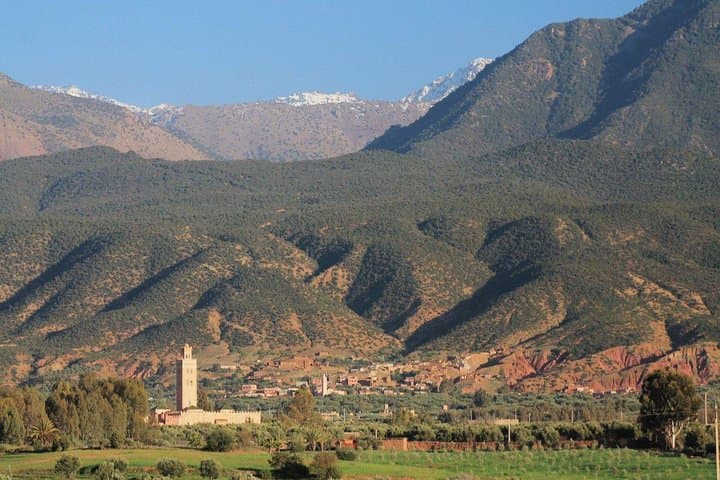
You step out of Marrakech’s bustle into a cooler air that carries stone and pine; the road climbs, olives and walnut groves slipping past the windows, and the High Atlas pulls into focus. By mid-morning the guide leads the group onto a dirt track toward Imlil and Aremd, where narrow terraces and low stone houses mark centuries of mountain farming.
Verified experiences and guided adventures in the surrounding area.
Operated by Imlil Treks Toubkal · Imlil, Marrakech-Safi
You step out of Marrakech’s bustle into a cooler air that carries stone and pine; the road climbs, olives and walnut groves slipping past the windows, and the High Atlas pulls into focus. By mid-morning the guide leads the group onto a dirt track toward Imlil and Aremd, where narrow terraces and low stone houses mark centuries of mountain farming.
Geologically the High Atlas is young and rugged—folded rock and sharp ridges that force seasonal streams into gullies and waterfalls. Culturally the region is Amazigh (Berber): families still run terraced plots, keep goats, and make tagine and mint tea in the same domestic rhythm seen for generations. A visit to a local home for lunch and an optional cooperative that produces argan oil connects the hike to village life.
The walking is classic Atlas valley terrain: singletrack and mule paths, short steep pitches, and wide viewpoints over the valley. Expect 2–4 miles of mixed ascent, loose scree in places, and a gentle camel ride added for contrast in the afternoon. Wildlife is discreet—raptors wheel above, and shepherd dogs mark village edges.
Practical notes: wear sturdy hiking shoes with good traction, bring layered clothing for variable mountain sun and shade, and carry at least 1.5 liters of water plus sunscreen. The day is private and guided; timing often means cooler morning hiking and a relaxed, social lunch. With basic fitness, this itinerary is an accessible way to pair cultural encounters with a real mountain walk outside Marrakech.
moderate.
6–7 hours.
Suitable for hikers with regular walking endurance; you should be comfortable on uneven ground and short climbs.
Most departures pick up and drop off at hotels in Marrakech; confirm your pickup location and time when booking.
The walk consists of valley paths and short ascents—moderate effort with uneven terrain; no technical climbing required.
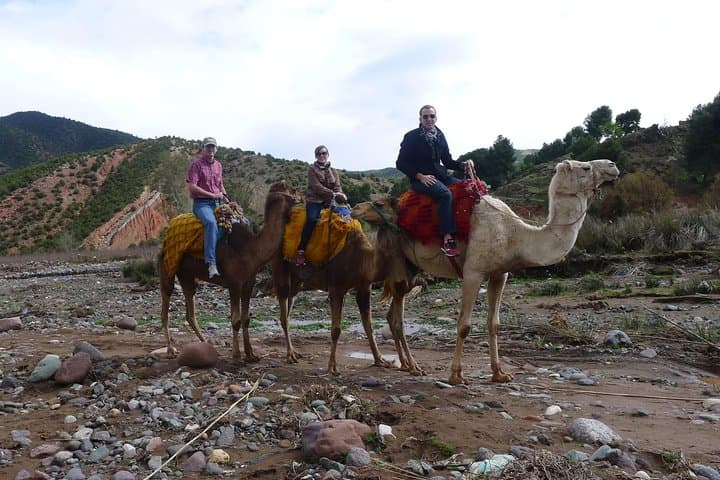
The half-hour camel ride is short and typically suitable for older children who can mount with assistance; check age limits when booking.
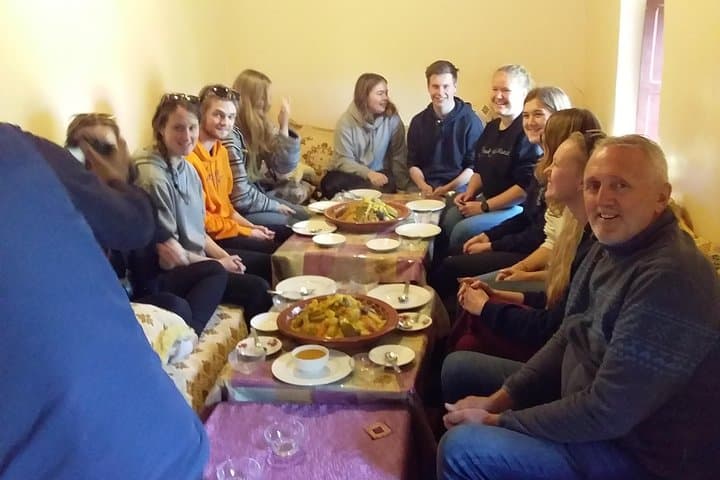
Lunch in a Berber family’s home is included and typically features tagine; inform the operator of dietary restrictions in advance.
The High Atlas has been inhabited by Amazigh (Berber) communities for millennia; terraced agriculture and transhumance shaped settlement patterns and local craft traditions.
Water is scarce in summer and erosion affects trails—support local guides and cooperatives, avoid single-use plastic, and stick to marked paths to reduce impact.
Imlil Treks Toubkal operates guided outdoor trips and adventures with an emphasis on safety, stewardship, and memorable experiences.
You step out of Marrakech’s bustle into a cooler air that carries stone and pine; the road climbs, olives and walnut groves slipping past the windows, and the High Atlas pulls into focus. By mid-morning the guide leads the group onto a dirt track toward Imlil and Aremd, where narrow terraces and low stone houses mark centuries of mountain farming.
You step out of Marrakech’s bustle into a cooler air that carries stone and pine; the road climbs, olives and walnut groves slipping past the windows, and the High Atlas pulls into focus. By mid-morning the guide leads the group onto a dirt track toward Imlil and Aremd, where narrow terraces and low stone houses mark centuries of mountain farming.
Geologically the High Atlas is young and rugged—folded rock and sharp ridges that force seasonal streams into gullies and waterfalls. Culturally the region is Amazigh (Berber): families still run terraced plots, keep goats, and make tagine and mint tea in the same domestic rhythm seen for generations. A visit to a local home for lunch and an optional cooperative that produces argan oil connects the hike to village life.
The walking is classic Atlas valley terrain: singletrack and mule paths, short steep pitches, and wide viewpoints over the valley. Expect 2–4 miles of mixed ascent, loose scree in places, and a gentle camel ride added for contrast in the afternoon. Wildlife is discreet—raptors wheel above, and shepherd dogs mark village edges.
Practical notes: wear sturdy hiking shoes with good traction, bring layered clothing for variable mountain sun and shade, and carry at least 1.5 liters of water plus sunscreen. The day is private and guided; timing often means cooler morning hiking and a relaxed, social lunch. With basic fitness, this itinerary is an accessible way to pair cultural encounters with a real mountain walk outside Marrakech.