THE ADVENTURE COLLECTIVE® · Independent discovery and booking for outdoor travel

Trade Marrakech’s medina for the cool cuts of the High Atlas on a half-day trip to Ourika Valley and Setti Fadma. Expect a family-style Berber lunch, optional waterfall walks across terraces and a close-up of Amazigh mountain life.
Trade Marrakech’s medina for the cool cuts of the High Atlas on a half-day trip to Ourika Valley and Setti Fadma. Expect a family-style Berber lunch, optional waterfall walks across terraces and a close-up of Amazigh mountain life.
You leave the ochre walls of Marrakech behind and the city’s heat folds into the cool draft of the High Atlas.
Verified experiences and guided adventures in the surrounding area.
Operated by Exploring Atlas Mountains · Marrakech, Marrakesh-Safi
You leave the ochre walls of Marrakech behind and the city’s heat folds into the cool draft of the High Atlas.
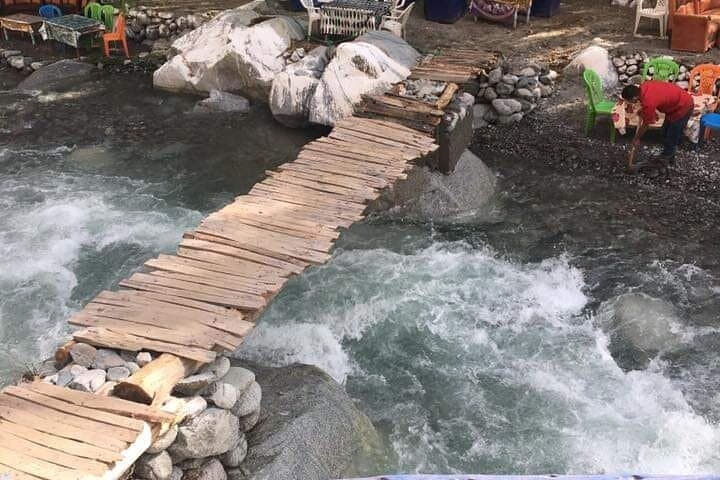
Within an hour the road slips between olive groves and terraced fields; villages of sun-baked stone appear like punctuation along the valley. At Setti Fadma the air smells of eucalyptus and wet rock — the waterfalls here dare you to follow the sound uphill. If you take the optional 45-minute hike you’ll cross footbridges, skirt cultivated terraces and move through Berber hamlets where children wave and ovens pulse with flatbread.
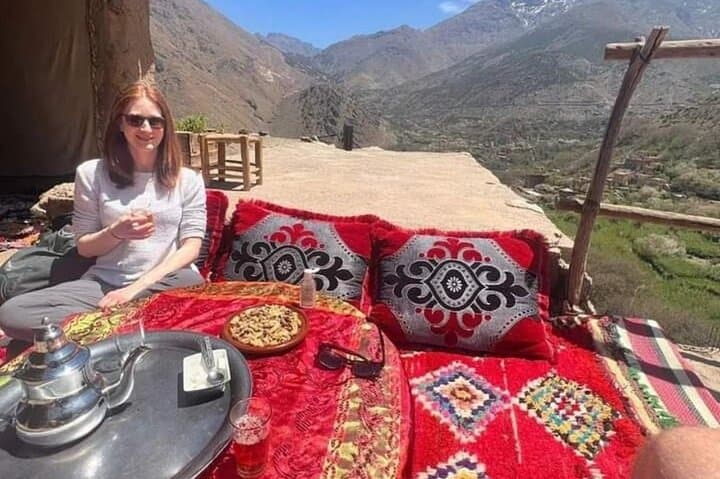
Geology here is blunt and honest: folded metamorphic rock sliced by winter snow and the steady hand of streams, carving the steep-sided Ourika Valley. Culturally the valley is shaped by Amazigh (Berber) life — agriculture, weekly markets (Tnine Ourika on Mondays), and hospitality expressed as shared tajine and tea.
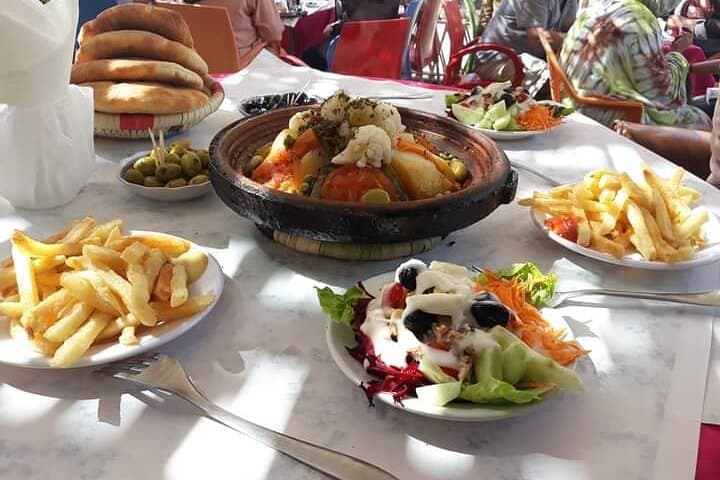
Practical side: the full excursion is about six hours including driving; walking segments are moderate with uneven stone paths and short, steep pitches. Bring a sun layer and a light rain shell; footwear with grip matters for the waterfall approaches. Lunch is typically a family-style Berber meal in a local restaurant or house — a chance to taste regional cooking and support local hosts.
Timing matters: mornings are best for cooler hikes and clearer views; winter can carry snow higher on the ridges. Stick to marked tracks, hire a local guide when offered, and carry water — the valley looks easy until a steep terrace tests your calves.
moderate.
5–6 hours.
Suitable for people with regular mobility; expect short steep sections and uneven footing during hikes.
Expect about 45–60 minutes to the Ourika Valley entrance and roughly 90 minutes to the higher reaches depending on traffic and exact itinerary.
Short walks to viewpoints are family-friendly; the waterfall path is uneven and may be challenging for very young children — infants in carriers are easiest.
Yes — the itinerary allows guests to remain at the restaurant or village while others do the optional walk.
Local hosts can often accommodate basic dietary requests if noted at booking; inform the operator of allergies or restrictions in advance.
The High Atlas has been home to Amazigh (Berber) communities for millennia; valleys like Ourika developed around seasonal water and terrace agriculture that shaped local culture.
The region faces pressure from tourism and water scarcity; stick to trails, avoid single-use plastics and consider tipping or buying local produce to support communities.
Exploring Atlas Mountains operates guided outdoor trips and adventures with an emphasis on safety, stewardship, and memorable experiences.
You leave the ochre walls of Marrakech behind and the city’s heat folds into the cool draft of the High Atlas.
You leave the ochre walls of Marrakech behind and the city’s heat folds into the cool draft of the High Atlas.
Within an hour the road slips between olive groves and terraced fields; villages of sun-baked stone appear like punctuation along the valley. At Setti Fadma the air smells of eucalyptus and wet rock — the waterfalls here dare you to follow the sound uphill. If you take the optional 45-minute hike you’ll cross footbridges, skirt cultivated terraces and move through Berber hamlets where children wave and ovens pulse with flatbread.
Geology here is blunt and honest: folded metamorphic rock sliced by winter snow and the steady hand of streams, carving the steep-sided Ourika Valley. Culturally the valley is shaped by Amazigh (Berber) life — agriculture, weekly markets (Tnine Ourika on Mondays), and hospitality expressed as shared tajine and tea.
Practical side: the full excursion is about six hours including driving; walking segments are moderate with uneven stone paths and short, steep pitches. Bring a sun layer and a light rain shell; footwear with grip matters for the waterfall approaches. Lunch is typically a family-style Berber meal in a local restaurant or house — a chance to taste regional cooking and support local hosts.
Timing matters: mornings are best for cooler hikes and clearer views; winter can carry snow higher on the ridges. Stick to marked tracks, hire a local guide when offered, and carry water — the valley looks easy until a steep terrace tests your calves.