THE ADVENTURE COLLECTIVE® · Independent discovery and booking for outdoor travel

Trade Marrakech’s medina heat for highland air on a six-hour day trip into the Atlas: waterfalls, Berber home visits, and an optional camel ride across foothill plains. Expect short walks, village lanes and hands-on cultural moments on a route that climbs into the foothills.
Trade Marrakech’s medina heat for highland air on a six-hour day trip into the Atlas: waterfalls, Berber home visits, and an optional camel ride across foothill plains. Expect short walks, village lanes and hands-on cultural moments on a route that climbs into the foothills.
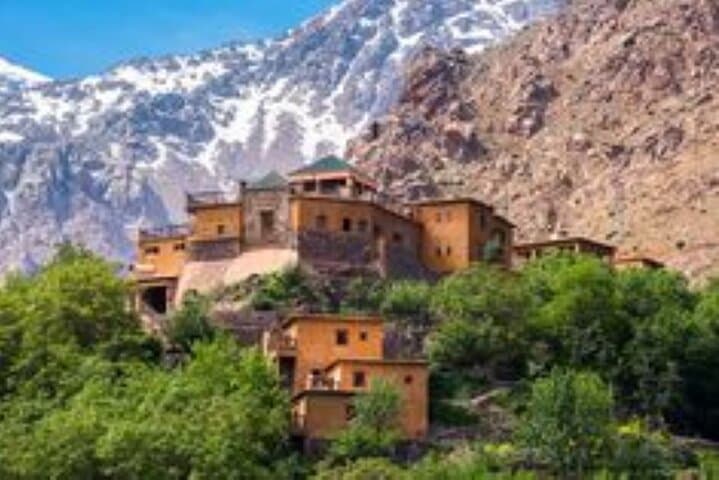
You step out of Marrakech’s ochre light into cool highland air as the road climbs toward the High Atlas. Olive groves and terraced fields give way to sharper ridgelines; cedars and low scrub frame a river that seems to dare you to follow it upstream. Small villages—flat-roofed houses, laundry on lines—appear at hairpins, and somewhere ahead a waterfall throws white water off dark rock.
Verified experiences and guided adventures in the surrounding area.
Operated by Atlas Mountains · Marrakech, Marrakesh-Safi
You step out of Marrakech’s ochre light into cool highland air as the road climbs toward the High Atlas. Olive groves and terraced fields give way to sharper ridgelines; cedars and low scrub frame a river that seems to dare you to follow it upstream. Small villages—flat-roofed houses, laundry on lines—appear at hairpins, and somewhere ahead a waterfall throws white water off dark rock.
The route threads through valleys that have carried Berber communities for centuries. Geologically the High Atlas is young and rugged: folded sedimentary rock uplifted by African-Eurasian plate interactions, carved by seasonal torrents into steep-sided valleys and narrow gorges. Culturally, villages remain tied to small-scale agriculture and souks in nearby towns; a visit to a Berber home offers direct insight into local hospitality and the region’s oral traditions.
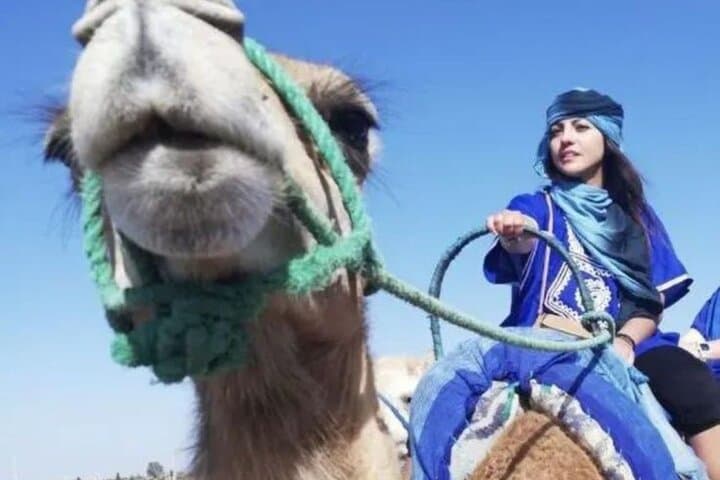
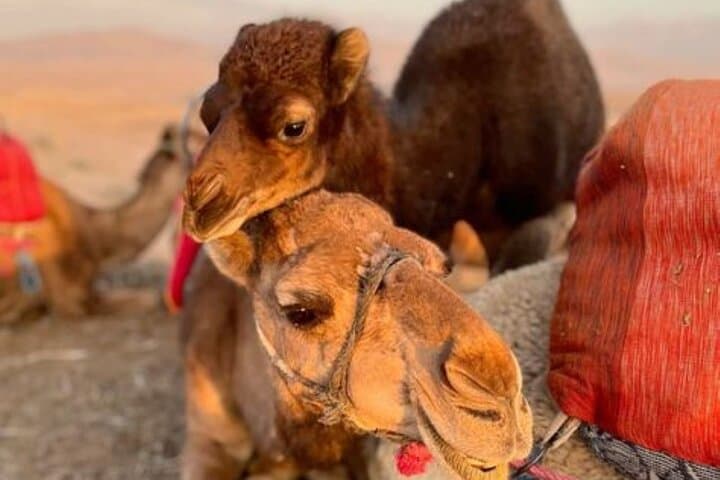
Expect short, easy walks along riverbanks and village lanes rather than long mountain approaches—elevation typically rises from Marrakech’s ~470 m to valley settlements anywhere from ~800–1,400 m. Terrain is a mix of paved road, dirt tracks and rocky footpaths. An optional camel ride adds a slower, hands-on way to experience the plains below the foothills.
Practical guidance: plan for sun, dust and brief exposed sections—bring layered clothing, sturdy walking shoes, 1–2 liters of water and cash for a home-visit tea. Morning departures avoid hottest hours and increase waterfall flow in spring. The tour is walk-friendly for most visitors, but uneven surfaces reward attentive footing and sensible footwear.
easy.
6 hours.
Suitable for travelers in reasonable health who can manage short, mostly gentle walks over uneven ground.
The camel ride is offered as an optional inclusion on many itineraries—confirm with your operator; it may be included or available for an extra fee.
Walks are short and generally easy, along riverbanks and village paths; uneven ground means sturdy shoes are recommended.
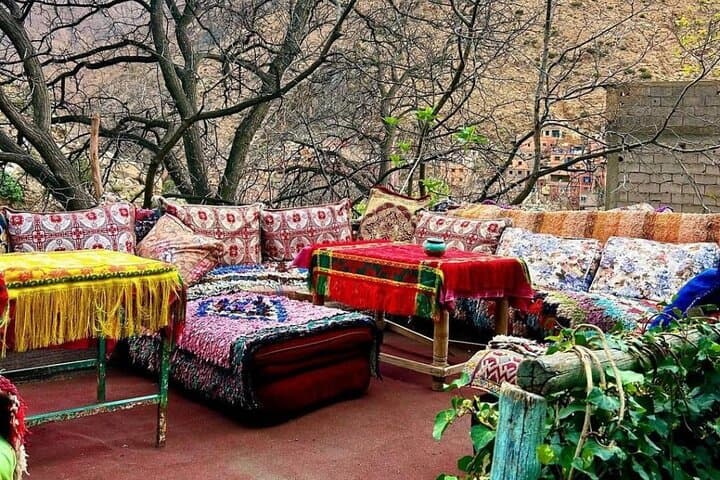
Yes—most tours include a stop at a local Berber home for tea, offering cultural insight; be prepared to remove shoes and follow host customs.
Basic refreshments and tea are commonly provided during a home visit; full meals depend on the tour package—check the itinerary before booking.
Berber (Amazigh) communities have occupied High Atlas valleys for millennia, maintaining distinct language and agricultural traditions shaped by the mountains’ rhythms.
Increased day-trip traffic stresses fragile riverbanks and local water resources—stick to paths, avoid single-use plastics, and support community-run businesses to minimize impact.
Atlas Mountains operates guided outdoor trips and adventures with an emphasis on safety, stewardship, and memorable experiences.
You step out of Marrakech’s ochre light into cool highland air as the road climbs toward the High Atlas. Olive groves and terraced fields give way to sharper ridgelines; cedars and low scrub frame a river that seems to dare you to follow it upstream. Small villages—flat-roofed houses, laundry on lines—appear at hairpins, and somewhere ahead a waterfall throws white water off dark rock.
You step out of Marrakech’s ochre light into cool highland air as the road climbs toward the High Atlas. Olive groves and terraced fields give way to sharper ridgelines; cedars and low scrub frame a river that seems to dare you to follow it upstream. Small villages—flat-roofed houses, laundry on lines—appear at hairpins, and somewhere ahead a waterfall throws white water off dark rock.
The route threads through valleys that have carried Berber communities for centuries. Geologically the High Atlas is young and rugged: folded sedimentary rock uplifted by African-Eurasian plate interactions, carved by seasonal torrents into steep-sided valleys and narrow gorges. Culturally, villages remain tied to small-scale agriculture and souks in nearby towns; a visit to a Berber home offers direct insight into local hospitality and the region’s oral traditions.
Expect short, easy walks along riverbanks and village lanes rather than long mountain approaches—elevation typically rises from Marrakech’s ~470 m to valley settlements anywhere from ~800–1,400 m. Terrain is a mix of paved road, dirt tracks and rocky footpaths. An optional camel ride adds a slower, hands-on way to experience the plains below the foothills.
Practical guidance: plan for sun, dust and brief exposed sections—bring layered clothing, sturdy walking shoes, 1–2 liters of water and cash for a home-visit tea. Morning departures avoid hottest hours and increase waterfall flow in spring. The tour is walk-friendly for most visitors, but uneven surfaces reward attentive footing and sensible footwear.