THE ADVENTURE COLLECTIVE® · Independent discovery and booking for outdoor travel

Leave Marrakech for a full-day drive into the High Atlas to visit three dramatic valleys, Berber villages and the Setti Fatma waterfalls. This guided excursion mixes short walks, cultural visits and scenic viewpoints—ideal for travelers wanting a compact but immersive mountain experience.
Leave Marrakech for a full-day drive into the High Atlas to visit three dramatic valleys, Berber villages and the Setti Fatma waterfalls. This guided excursion mixes short walks, cultural visits and scenic viewpoints—ideal for travelers wanting a compact but immersive mountain experience.
Morning light peels back from Marrakech as the road climbs toward the High Atlas — olive groves and argan trees slide past, and the city’s noise shrinks into the rearview. By midmorning the landscape opens: terraced slopes, dark basalt ridges, and villages built into the hillsides where laundry and livestock mark daily life. The guide leads short walks through Berber hamlets, and the air carries the scent of mint tea and wood smoke.
Verified experiences and guided adventures in the surrounding area.
Operated by Marrakech unique activities · Ourika Valley, Marrakech-Safi
Morning light peels back from Marrakech as the road climbs toward the High Atlas — olive groves and argan trees slide past, and the city’s noise shrinks into the rearview. By midmorning the landscape opens: terraced slopes, dark basalt ridges, and villages built into the hillsides where laundry and livestock mark daily life. The guide leads short walks through Berber hamlets, and the air carries the scent of mint tea and wood smoke.
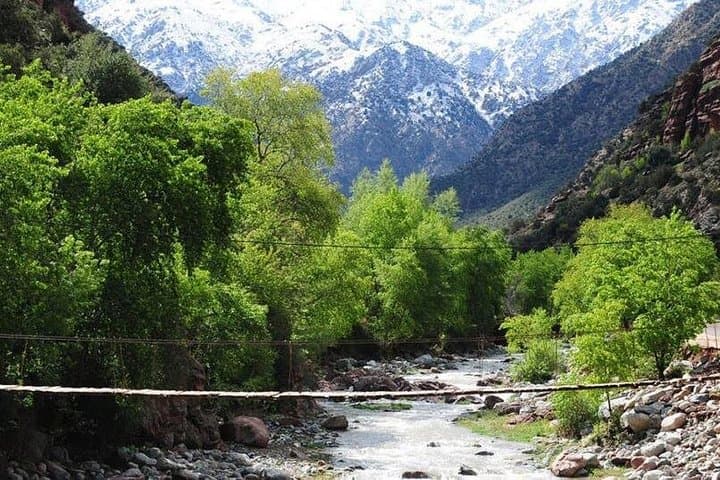
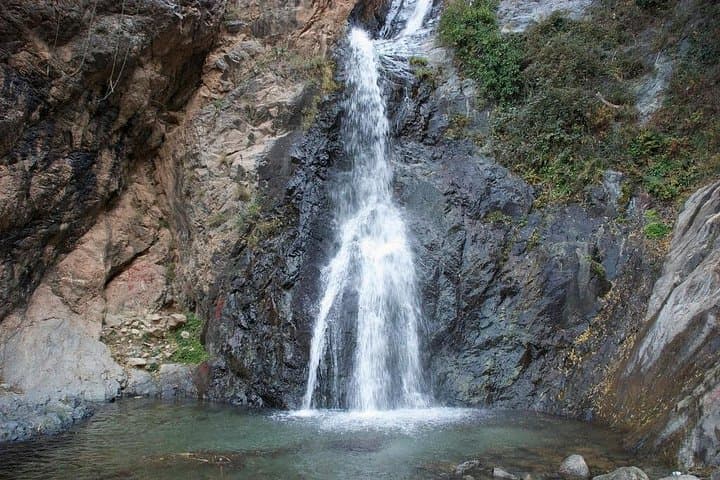
Geology here is immediate: folded sedimentary layers and volcanic outcrops sculpt narrow valleys, while seasonal streams have carved the waterfalls at Setti Fatma. Culturally, the valleys still move at a village pace; families tending terraces practice agricultural rhythms unchanged for generations, and local cooperatives press argan nuts into oil — a centuries-old craft that now supports village incomes.
Expect a sequence of stops rather than a single long hike: photo lookouts, a guided stroll to waterfalls with uneven stone steps, and a visit to a family home for breakfast or a tagine lunch. The route includes short drives on mountain roads; some viewpoints require brief uphill walking on loose gravel.
Practical guidance: start early to avoid midday heat, wear sturdy shoes with good traction, and bring cash for village purchases and tips. Hydrate before the short hikes and pack a light layer—the mountains cool quickly. Respect private property, ask before photographing people, and buy argan products from verified cooperatives to support local economies. This is a full-day, accessible introduction to the Atlas: part natural spectacle, part cultural exchange, and wholly manageable for travelers who can walk short uneven sections.
easy.
7–8 hours.
Suitable for travelers in regular day-to-day fitness who can handle short uphill walks and uneven paths.
The excursion is approximately 7–8 hours; typical inclusions are hotel pickup, guided walks, breakfast, a local lunch, transport in an air-conditioned vehicle, and village visits.
Yes—stops are short and the walking is generally easy, but participants should manage uneven surfaces and have basic mobility for steps and short climbs.
Yes; visits to cooperatives and village shops offer argan oil, textiles and handicrafts—bring cash and look for cooperatively produced items to ensure fair support to locals.
Tipping guides and drivers is customary for good service; gentle bargaining is common for crafts, but respect fixed prices in cooperative shops.
The High Atlas has been home to Amazigh (Berber) communities for centuries; mountain routes once linked the interior to Marrakech and trans-Saharan trade paths.
Increased day-trip traffic pressures trails and water sources; support sustainable cooperatives and avoid leaving waste to reduce erosion and cultural impact.
Marrakech unique activities operates guided outdoor trips and adventures with an emphasis on safety, stewardship, and memorable experiences.
Morning light peels back from Marrakech as the road climbs toward the High Atlas — olive groves and argan trees slide past, and the city’s noise shrinks into the rearview. By midmorning the landscape opens: terraced slopes, dark basalt ridges, and villages built into the hillsides where laundry and livestock mark daily life. The guide leads short walks through Berber hamlets, and the air carries the scent of mint tea and wood smoke.
Morning light peels back from Marrakech as the road climbs toward the High Atlas — olive groves and argan trees slide past, and the city’s noise shrinks into the rearview. By midmorning the landscape opens: terraced slopes, dark basalt ridges, and villages built into the hillsides where laundry and livestock mark daily life. The guide leads short walks through Berber hamlets, and the air carries the scent of mint tea and wood smoke.
Geology here is immediate: folded sedimentary layers and volcanic outcrops sculpt narrow valleys, while seasonal streams have carved the waterfalls at Setti Fatma. Culturally, the valleys still move at a village pace; families tending terraces practice agricultural rhythms unchanged for generations, and local cooperatives press argan nuts into oil — a centuries-old craft that now supports village incomes.
Expect a sequence of stops rather than a single long hike: photo lookouts, a guided stroll to waterfalls with uneven stone steps, and a visit to a family home for breakfast or a tagine lunch. The route includes short drives on mountain roads; some viewpoints require brief uphill walking on loose gravel.
Practical guidance: start early to avoid midday heat, wear sturdy shoes with good traction, and bring cash for village purchases and tips. Hydrate before the short hikes and pack a light layer—the mountains cool quickly. Respect private property, ask before photographing people, and buy argan products from verified cooperatives to support local economies. This is a full-day, accessible introduction to the Atlas: part natural spectacle, part cultural exchange, and wholly manageable for travelers who can walk short uneven sections.