THE ADVENTURE COLLECTIVE® · Independent discovery and booking for outdoor travel

Drive the Ourika River corridor into the High Atlas for waterfalls, Berber villages, mountain roads to 1,800 m, a traditional lunch and a short camel ride. This full-day trip blends short hikes, cultural stops and sweeping views — ideal for travelers based in Marrakech.
Drive the Ourika River corridor into the High Atlas for waterfalls, Berber villages, mountain roads to 1,800 m, a traditional lunch and a short camel ride. This full-day trip blends short hikes, cultural stops and sweeping views — ideal for travelers based in Marrakech.
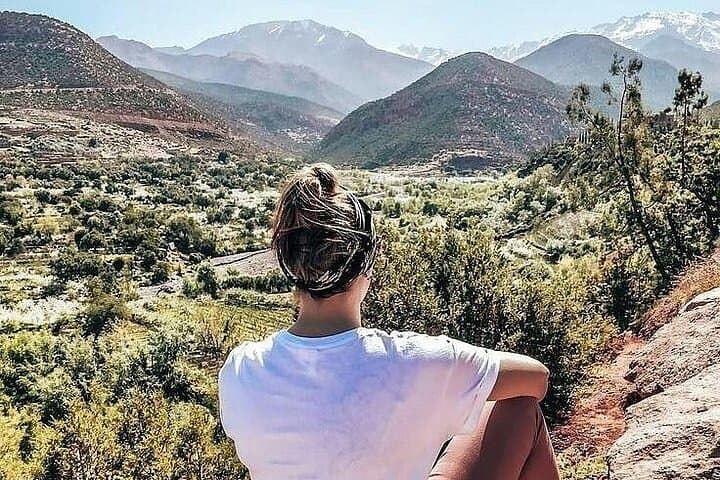
You leave the ochre walls of Marrakech behind and the road immediately begins to follow the Ourika River, which rushes and teases you with whitewater even in late spring. The valley narrows, terraces rise in layers, and a mint-tea pause beside a mountain stream feels like a local invitation — steam curling, stones warm underfoot.
Verified experiences and guided adventures in the surrounding area.
Operated by HICHAM BOUSSERHANE · Marrakech, Marrakech-Safi
You leave the ochre walls of Marrakech behind and the road immediately begins to follow the Ourika River, which rushes and teases you with whitewater even in late spring. The valley narrows, terraces rise in layers, and a mint-tea pause beside a mountain stream feels like a local invitation — steam curling, stones warm underfoot.
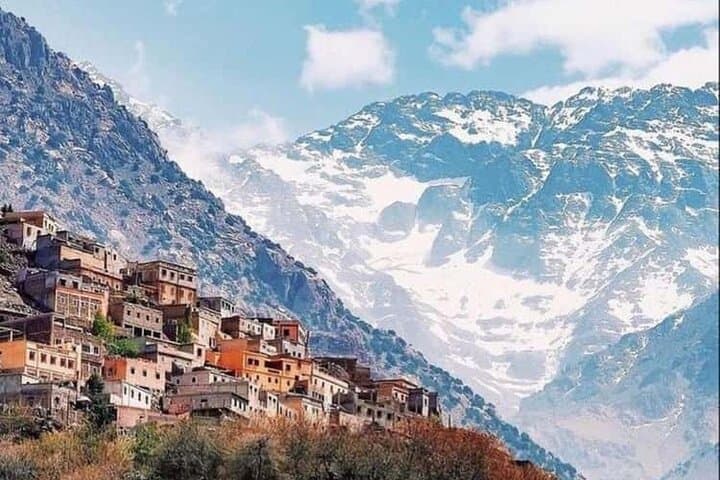
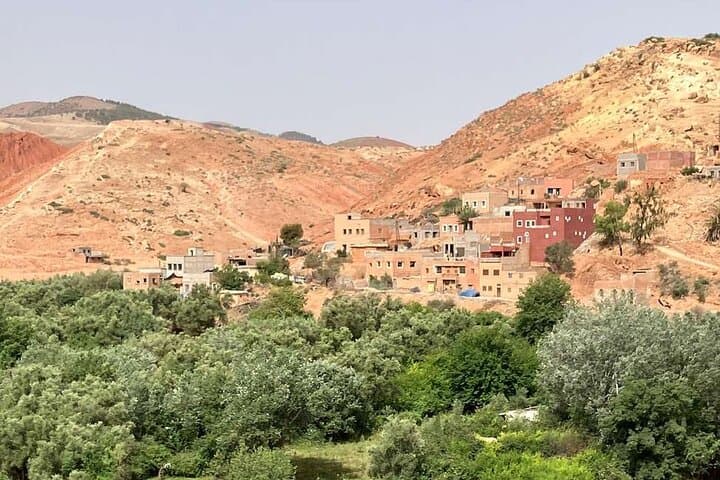
Geology here is blunt and honest: folded limestone and schist of the High Atlas push up to snow-capped ridgelines, channels carved by seasonal melt. The villages you pass are Berber places of sun-dried adobe and stacked stone; argan presses and small markets hum with trade. Oukaimden’s road climbs to roughly 1,800 metres, bringing a thin, cool air and expansive views back toward Marrakech.
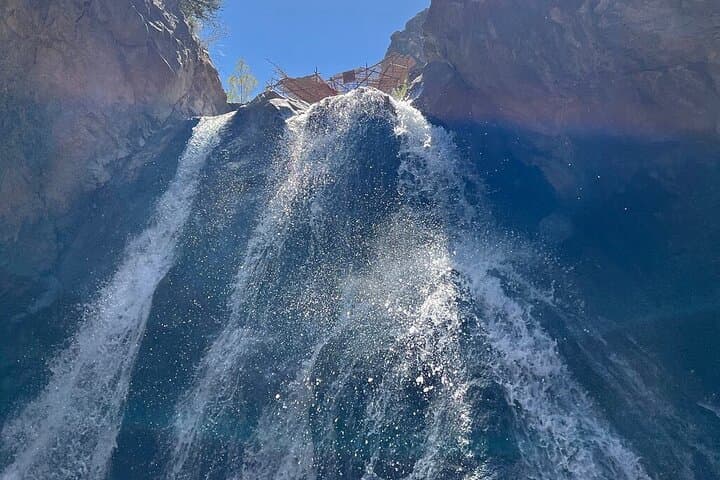
The day combines short hikes (around 90 minutes at the waterfalls), off-road foothill driving, cultural stops at market days when scheduled, lunch with a Berber family serving tajine and couscous, and a brief camel ride in a valley plain. Expect quick changes in light and temperature as you move between river corridors and higher, exposed tracks.
Practical guide: start early to avoid midday heat in summer and to catch the clearest mountain light. Wear sturdy walking shoes and layers — mornings can be cool at altitude. Carry 1.5–2L water, sunscreen and a compact rain shell. Be ready to walk on uneven, sometimes slick trails at the waterfalls; stick to local guides for safe routes. Bring cash for markets, and respect local customs when photographing people. The tour is a full-day loop returning to Marrakech mid-to-late afternoon — comfortable pacing, plenty of photo stops, and a strong mix of geology, culture and accessible mountain scenery.
moderate.
7 hours (approx.).
Suitable for travelers with average fitness; includes short hikes (up to 90 minutes) on uneven terrain and strolls in villages.
Yes — most operators include pickup and drop-off from central Marrakech riads and hotels; confirm your pickup point when booking.
Hikes are short to moderate (around 90 minutes at the waterfalls) over uneven trails; casual hikers with good shoes should manage comfortably.
A full traditional lunch with tea is included, typically with a local Berber family in Sidi Fares or a valley village.
Yes; the tour often stops at argan oil demonstrations and, when market day coincides, a local Berber market — great for crafts and photos.
The High Atlas has long been home to Amazigh (Berber) communities whose villages and seasonal markets reflect centuries of mountain agriculture and transhumance.
Water in these valleys is precious; stick to trails, avoid leaving waste at picnic or tea stops, and support local cooperatives that practice sustainable argan harvesting.
HICHAM BOUSSERHANE operates guided outdoor trips and adventures with an emphasis on safety, stewardship, and memorable experiences.
You leave the ochre walls of Marrakech behind and the road immediately begins to follow the Ourika River, which rushes and teases you with whitewater even in late spring. The valley narrows, terraces rise in layers, and a mint-tea pause beside a mountain stream feels like a local invitation — steam curling, stones warm underfoot.
You leave the ochre walls of Marrakech behind and the road immediately begins to follow the Ourika River, which rushes and teases you with whitewater even in late spring. The valley narrows, terraces rise in layers, and a mint-tea pause beside a mountain stream feels like a local invitation — steam curling, stones warm underfoot.
Geology here is blunt and honest: folded limestone and schist of the High Atlas push up to snow-capped ridgelines, channels carved by seasonal melt. The villages you pass are Berber places of sun-dried adobe and stacked stone; argan presses and small markets hum with trade. Oukaimden’s road climbs to roughly 1,800 metres, bringing a thin, cool air and expansive views back toward Marrakech.
The day combines short hikes (around 90 minutes at the waterfalls), off-road foothill driving, cultural stops at market days when scheduled, lunch with a Berber family serving tajine and couscous, and a brief camel ride in a valley plain. Expect quick changes in light and temperature as you move between river corridors and higher, exposed tracks.
Practical guide: start early to avoid midday heat in summer and to catch the clearest mountain light. Wear sturdy walking shoes and layers — mornings can be cool at altitude. Carry 1.5–2L water, sunscreen and a compact rain shell. Be ready to walk on uneven, sometimes slick trails at the waterfalls; stick to local guides for safe routes. Bring cash for markets, and respect local customs when photographing people. The tour is a full-day loop returning to Marrakech mid-to-late afternoon — comfortable pacing, plenty of photo stops, and a strong mix of geology, culture and accessible mountain scenery.