THE ADVENTURE COLLECTIVE® · Independent discovery and booking for outdoor travel

Trade Marrakech’s bustle for a day among the High Atlas ridgelines: a guided 6–8 hour trek from Imlil to Talamrout (≈2,700 m) with lunch at 2,500 m, mule support, and panoramic views of the Toubkal massif. Practical logistics and local culture make this an accessible mountain day-trip.
Trade Marrakech’s bustle for a day among the High Atlas ridgelines: a guided 6–8 hour trek from Imlil to Talamrout (≈2,700 m) with lunch at 2,500 m, mule support, and panoramic views of the Toubkal massif. Practical logistics and local culture make this an accessible mountain day-trip.
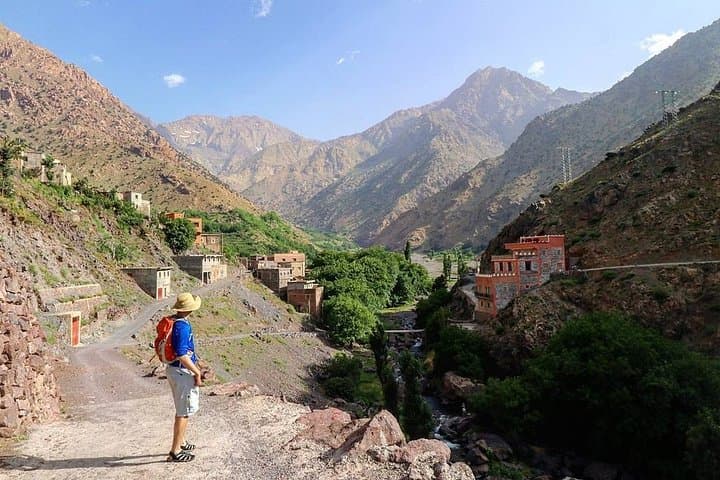
You leave Marrakech before dawn and the city’s heat slinks away behind you as the road scrapes into cedar dark and stone terraces. By the time you reach Imlil, mule bells and the low talk of Berber farmers set the rhythm; the trail climbs steadily above the village, folding through gullies and past spring-fed streams that seem to dare you to keep pace.
Verified experiences and guided adventures in the surrounding area.
Operated by Things To Do From Marrakech · Imlil, Marrakech-Safi
You leave Marrakech before dawn and the city’s heat slinks away behind you as the road scrapes into cedar dark and stone terraces. By the time you reach Imlil, mule bells and the low talk of Berber farmers set the rhythm; the trail climbs steadily above the village, folding through gullies and past spring-fed streams that seem to dare you to keep pace.
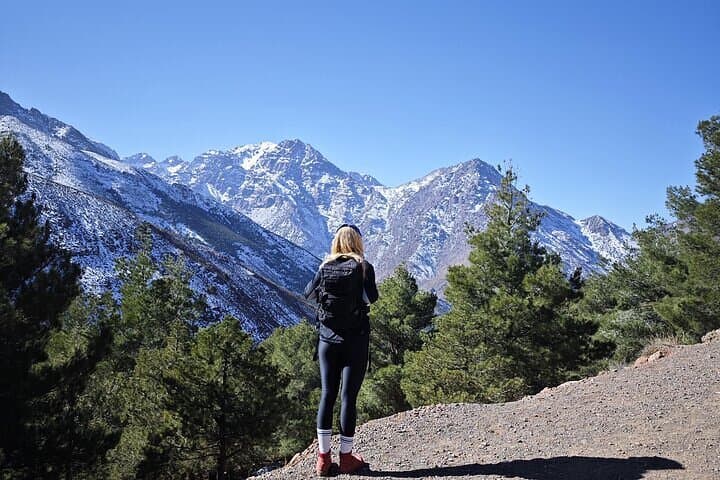
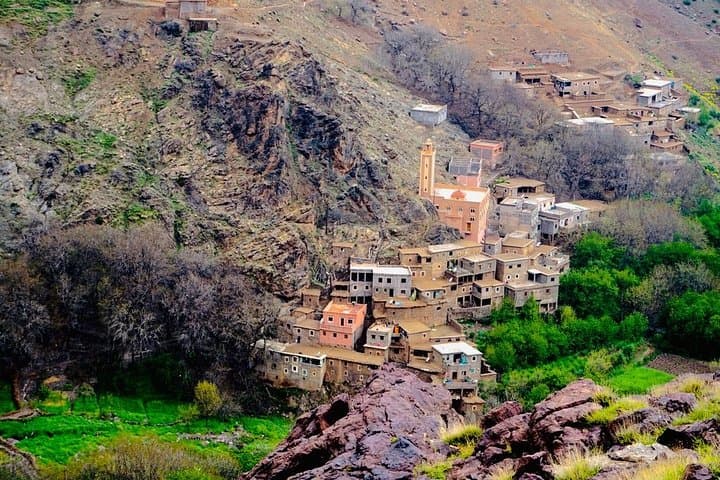
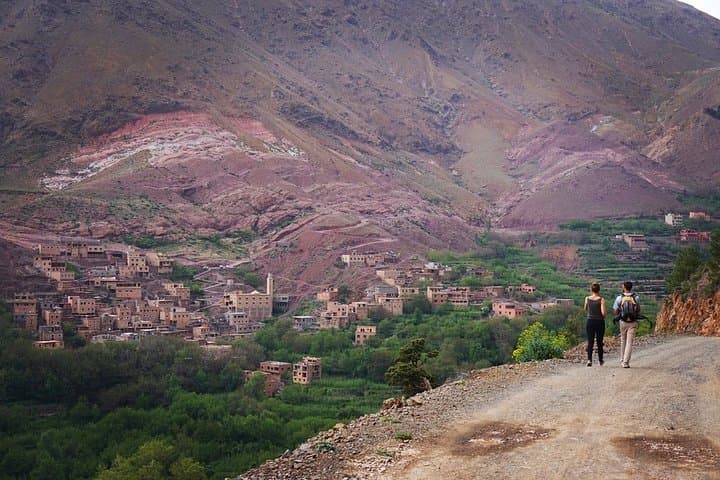
The High Atlas is young, tectonically uplifted terrain—hard metamorphic rock scored by winter snowmelt—where villages cling to contour lines and centuries-old irrigation channels still divert water. The hike up to Talamrout (≈2,700 m) passes through small Amazigh (Berber) settlements; local guides share stories about seasonal grazing, and a cook accompanying the group prepares a simple lunch around 2,500 m with wide views of the Toubkal massif.
Expect roughly 900–1,000 m of elevation gain depending on the start point in Imlil, mixed terrain of packed dirt, rocky steps, and occasional scree, and a full day on your feet—about 6–8 hours round trip including breaks. The route rewards persistent walkers with sweeping ridgeline panoramas, mule trains negotiating narrow ramps, and the wind testing your layers on exposed sections.
Practical: wear sturdy hiking boots, carry layered insulation and sun protection, and bring at least 2–3 liters of water (bottled water is provided). Hotel pickup in Marrakech and an English-speaking guide streamline logistics; pace yourself for altitude and respect livestock and local customs. The hike is accessible to fit day-hikers and is an efficient, immersive way to trade city bustle for high-country clarity.
moderate.
6–8 hours.
Moderate fitness—comfortable with sustained uphill and descents, able to handle near 1,000 m of elevation gain.
The drive takes roughly 60–90 minutes depending on traffic and your hotel location in Marrakech.
Yes—it's run as a guided day hike for mixed abilities, but you should be comfortable walking uphill for several hours and carrying a daypack.
Yes—lunch is prepared on the mountain by a cook and bottled water is provided; you should still bring extra water and snacks if you prefer.
Tipping is customary in Morocco; a small tip for the guide and mule handlers at the end of the day is appreciated and typically shared among the team.
The High Atlas has long been inhabited by Amazigh (Berber) communities who developed terrace farming and irrigation to work the steep slopes; the Toubkal massif has been a local landmark and pilgrimage site for centuries.
Stick to established trails, carry out all litter, and avoid feeding livestock; water is scarce—use provided bottled water sparingly and pack out waste where possible.
Things To Do From Marrakech operates guided outdoor trips and adventures with an emphasis on safety, stewardship, and memorable experiences.
You leave Marrakech before dawn and the city’s heat slinks away behind you as the road scrapes into cedar dark and stone terraces. By the time you reach Imlil, mule bells and the low talk of Berber farmers set the rhythm; the trail climbs steadily above the village, folding through gullies and past spring-fed streams that seem to dare you to keep pace.
You leave Marrakech before dawn and the city’s heat slinks away behind you as the road scrapes into cedar dark and stone terraces. By the time you reach Imlil, mule bells and the low talk of Berber farmers set the rhythm; the trail climbs steadily above the village, folding through gullies and past spring-fed streams that seem to dare you to keep pace.
The High Atlas is young, tectonically uplifted terrain—hard metamorphic rock scored by winter snowmelt—where villages cling to contour lines and centuries-old irrigation channels still divert water. The hike up to Talamrout (≈2,700 m) passes through small Amazigh (Berber) settlements; local guides share stories about seasonal grazing, and a cook accompanying the group prepares a simple lunch around 2,500 m with wide views of the Toubkal massif.
Expect roughly 900–1,000 m of elevation gain depending on the start point in Imlil, mixed terrain of packed dirt, rocky steps, and occasional scree, and a full day on your feet—about 6–8 hours round trip including breaks. The route rewards persistent walkers with sweeping ridgeline panoramas, mule trains negotiating narrow ramps, and the wind testing your layers on exposed sections.
Practical: wear sturdy hiking boots, carry layered insulation and sun protection, and bring at least 2–3 liters of water (bottled water is provided). Hotel pickup in Marrakech and an English-speaking guide streamline logistics; pace yourself for altitude and respect livestock and local customs. The hike is accessible to fit day-hikers and is an efficient, immersive way to trade city bustle for high-country clarity.