THE ADVENTURE COLLECTIVE® · Independent discovery and booking for outdoor travel

Leave Marrakech for a day in the High Atlas: a short valley hike from Imlil to a waterfall, a rooftop Berber lunch and visits to argan cooperatives and seasonal markets. Expect village tracks, river-side views and cultural encounters on a moderate, well-supported outing.
Leave Marrakech for a day in the High Atlas: a short valley hike from Imlil to a waterfall, a rooftop Berber lunch and visits to argan cooperatives and seasonal markets. Expect village tracks, river-side views and cultural encounters on a moderate, well-supported outing.
A drive away from the medina’s ochre walls, the road climbs out of Marrakech and the air sharpens into the clear, dry scent of the High Atlas.
Verified experiences and guided adventures in the surrounding area.
Operated by Marrakech Dream Tours · Marrakech, Marrakesh-Safi
A drive away from the medina’s ochre walls, the road climbs out of Marrakech and the air sharpens into the clear, dry scent of the High Atlas.
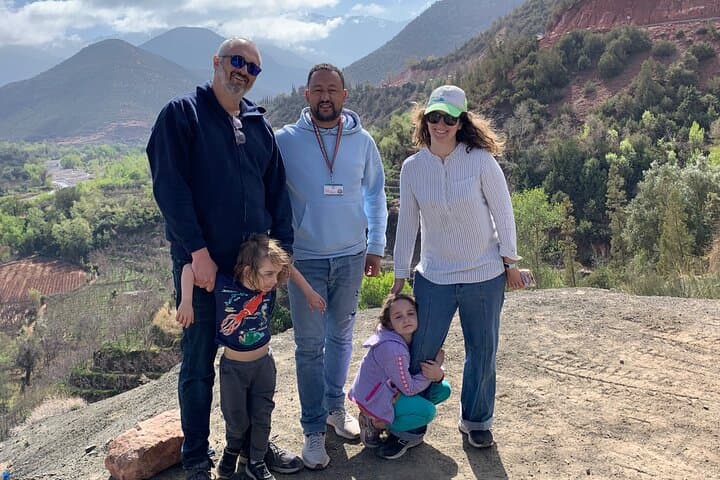
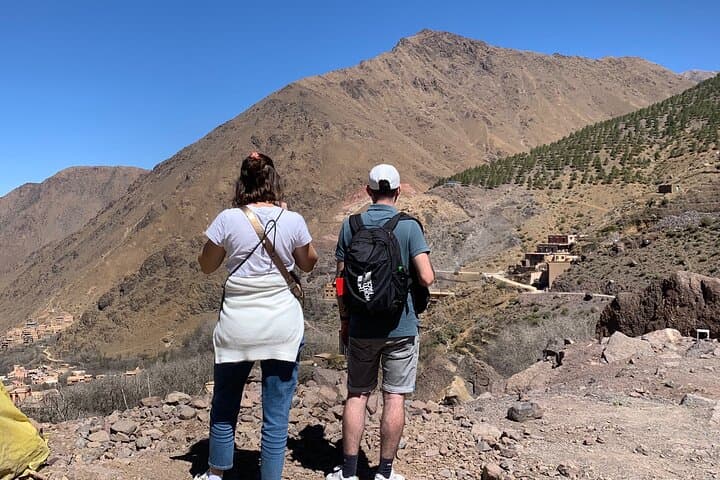
Arriving in Imlil, hikers step onto a patchwork of terraced fields and stone mule tracks. The day’s 1–2 hour walk follows a well-worn valley trail: dirt paths, short stone staircases, occasional river crossings and open viewpoints that frame Toubkal’s high ridgeline. The route gains roughly 100–300 m depending on your exact turnoffs and ranges from 3–6 km round trip to the lunch spot and waterfall.
This landscape carries layers of history. The High Atlas formed as Africa met Eurasia; granite and uplifted sediments create craggy ridges and fast-flowing streams. The valley is Amazigh (Berber) country — small villages of flat-roofed houses, communal terraces, and family-run kasbahs that have long balanced subsistence farming with trade routes to Marrakech.
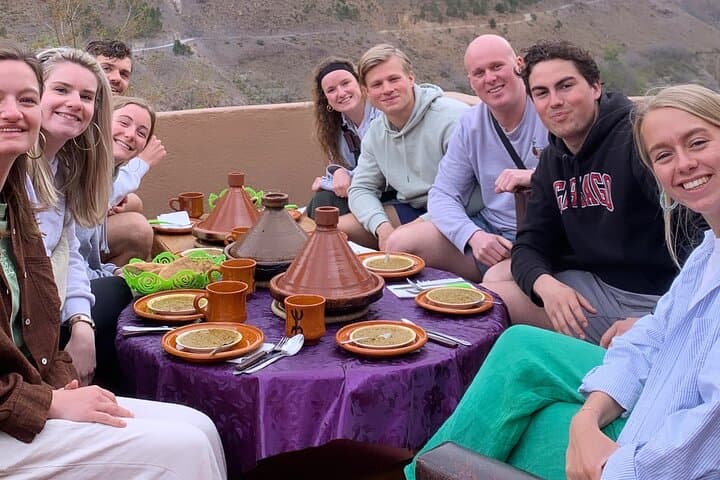
Practical guidance matters: the pace is gentle but the altitude and sun can surprise you. Expect a locally cooked Berber lunch on a rooftop terrace, tea with a guide, and a return to Marrakech in the early evening. Bring cash for cooperatives and market stalls; the women’s argan tastings and village markets reward both your wallet and local craftspeople.
Footwear with grip, layered clothing, sun protection and a small daypack will keep the day comfortable. The trail is accessible to most walkers but can be slippery after rain or under early winter snow; guided groups offer transport options for those preferring a shorter walk.
moderate.
8–9 hours (door-to-door).
Suitable for people in regular walking shape; expect short uphill sections and uneven terrain at ~1,700–1,800 m elevation.
No—this is a short, well-marked valley walk aimed at general fitness levels; guides provide alternatives or vehicle transfers for less-mobile travelers.
Yes—pick-up and drop-off in Marrakech are typically included; confirm your riad or hotel meeting point when you book.
Basic toilets exist in Imlil and at some lunch spots; lunch is a home-cooked Berber meal and tea, with vegetarian options usually available if requested in advance.
Weekly souks in nearby villages run on specific days (often Saturday or Tuesday); some departures include the market when it aligns with the itinerary.
The High Atlas is traditional Amazigh (Berber) territory; villages preserve terraced agriculture and communal living shaped by centuries of mountain trade and pastoralism.
Water is scarce in summer and erosion can be rapid; stick to trails, avoid single-use plastics and support local cooperatives to keep tourism benefits local.
Marrakech Dream Tours operates guided outdoor trips and adventures with an emphasis on safety, stewardship, and memorable experiences.

A drive away from the medina’s ochre walls, the road climbs out of Marrakech and the air sharpens into the clear, dry scent of the High Atlas.
A drive away from the medina’s ochre walls, the road climbs out of Marrakech and the air sharpens into the clear, dry scent of the High Atlas.
Arriving in Imlil, hikers step onto a patchwork of terraced fields and stone mule tracks. The day’s 1–2 hour walk follows a well-worn valley trail: dirt paths, short stone staircases, occasional river crossings and open viewpoints that frame Toubkal’s high ridgeline. The route gains roughly 100–300 m depending on your exact turnoffs and ranges from 3–6 km round trip to the lunch spot and waterfall.
This landscape carries layers of history. The High Atlas formed as Africa met Eurasia; granite and uplifted sediments create craggy ridges and fast-flowing streams. The valley is Amazigh (Berber) country — small villages of flat-roofed houses, communal terraces, and family-run kasbahs that have long balanced subsistence farming with trade routes to Marrakech.
Practical guidance matters: the pace is gentle but the altitude and sun can surprise you. Expect a locally cooked Berber lunch on a rooftop terrace, tea with a guide, and a return to Marrakech in the early evening. Bring cash for cooperatives and market stalls; the women’s argan tastings and village markets reward both your wallet and local craftspeople.
Footwear with grip, layered clothing, sun protection and a small daypack will keep the day comfortable. The trail is accessible to most walkers but can be slippery after rain or under early winter snow; guided groups offer transport options for those preferring a shorter walk.