THE ADVENTURE COLLECTIVE® · Independent discovery and booking for outdoor travel

A full‑day private tour from Marrakech that pairs a lakeside stop at Lalla Takerkoust with a riverside lunch and a hike to the Ourika Valley waterfalls. Expect rural villages, terraced farms, and a moderate uphill walk to scenic cascades.
A full‑day private tour from Marrakech that pairs a lakeside stop at Lalla Takerkoust with a riverside lunch and a hike to the Ourika Valley waterfalls. Expect rural villages, terraced farms, and a moderate uphill walk to scenic cascades.
You leave Marrakech before the heat builds, the road stretching south toward a low, semi‑arid plain where Lalla Takerkoust dam shimmers like a coin dropped into the landscape.
Verified experiences and guided adventures in the surrounding area.
Operated by Marrakesh-trip · Marrakech, Marrakesh‑Safi
You leave Marrakech before the heat builds, the road stretching south toward a low, semi‑arid plain where Lalla Takerkoust dam shimmers like a coin dropped into the landscape.
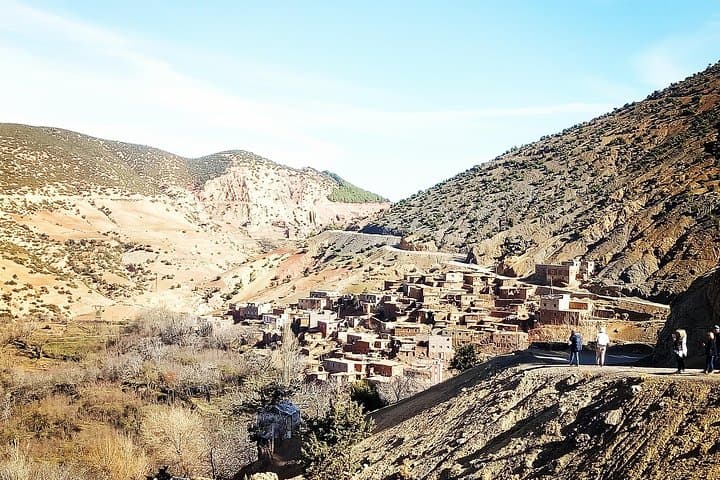
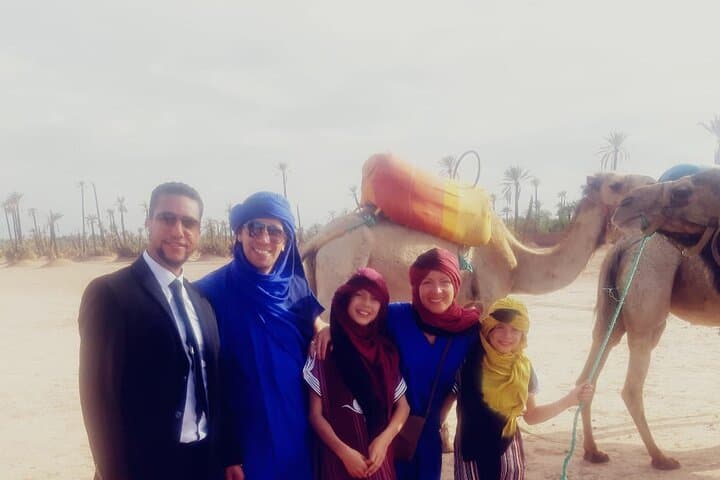
The minivan hums past olive groves and patches of scrub, then climbs into the lower Atlas foothills. Trees tighten along the road and villages of sunbaked mud and stone appear, their terraces and narrow tracks clinging to the slopes. At Lalla Takerkoust a camel handler offers an optional short ride, the animals plodding like patient bridges between two cultures.
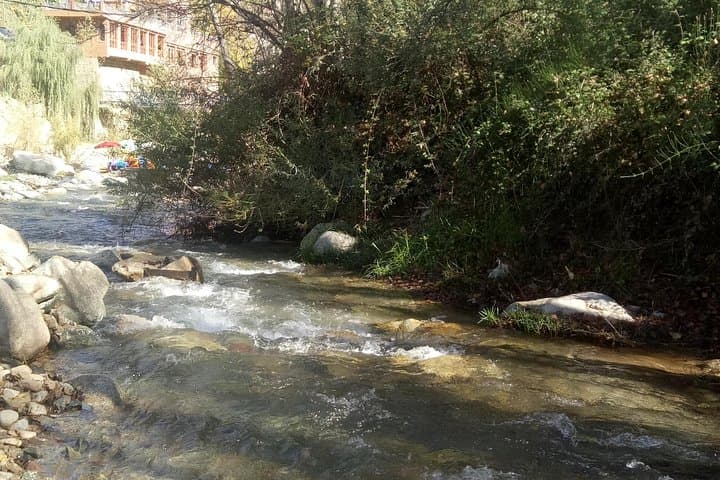
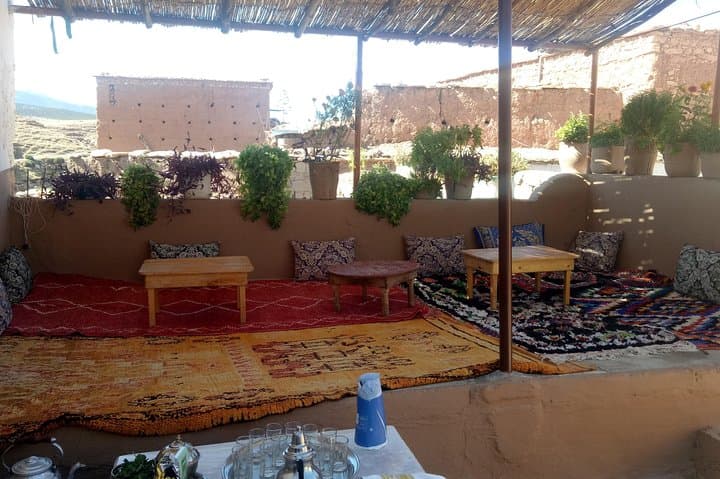
The route continues to Ourika Valley, a green seam cut by the Ourika River. Geologically this is folded sandstone and shale, sculpted into stepped gullies and small benches where springs feed cascades. Local Berber families have farmed here for centuries; a short visit to a home gives context to terraced fields, pottery techniques and mint tea hospitality.
The highlight is the waterfalls above Setti Fatma: a walk of roughly 3–4 km roundtrip on uneven stone and dirt steps with about 200–300 m of cumulative ascent depending how high you go. The river dares you toward pools and viewpoints; the falls push air and sound down the valley.
Practical notes: allow 6–8 hours total including hotel pick‑up, carry water and sturdy shoes, and plan for sun and sudden shade in the afternoon. Lunch riverside is included; bring a light daypack, camera, and modest clothing for village visits. Timing your return before dusk keeps the driving relaxed.
moderate.
6–8 hours.
Light to moderate fitness; able to walk on uneven paths and climb stone steps for up to an hour at a time.
Yes—pickup and drop‑off to Marrakech accommodations are included; confirm your pickup point when booking.
The hike to primary viewpoints is typically 1.5–2 km one way on uneven terrain with roughly 200–300 m of elevation gain if you climb multiple tiers.
No—the camel ride at Lalla Takerkoust is optional and usually a short paid activity offered on site.
The transfer is accessible and suitable for families, but the waterfall trail includes steps and uneven ground that limit wheelchair access beyond river level.
The Ourika Valley has long been a network of Berber communities using terraced agriculture fed by mountain springs; farms and village life here preserve traditional construction and land use.
Water resources are precious—avoid single‑use plastics, stick to marked paths to reduce erosion, and support local guides to encourage responsible tourism.
Marrakesh-trip operates guided outdoor trips and adventures with an emphasis on safety, stewardship, and memorable experiences.
You leave Marrakech before the heat builds, the road stretching south toward a low, semi‑arid plain where Lalla Takerkoust dam shimmers like a coin dropped into the landscape.
You leave Marrakech before the heat builds, the road stretching south toward a low, semi‑arid plain where Lalla Takerkoust dam shimmers like a coin dropped into the landscape.
The minivan hums past olive groves and patches of scrub, then climbs into the lower Atlas foothills. Trees tighten along the road and villages of sunbaked mud and stone appear, their terraces and narrow tracks clinging to the slopes. At Lalla Takerkoust a camel handler offers an optional short ride, the animals plodding like patient bridges between two cultures.
The route continues to Ourika Valley, a green seam cut by the Ourika River. Geologically this is folded sandstone and shale, sculpted into stepped gullies and small benches where springs feed cascades. Local Berber families have farmed here for centuries; a short visit to a home gives context to terraced fields, pottery techniques and mint tea hospitality.
The highlight is the waterfalls above Setti Fatma: a walk of roughly 3–4 km roundtrip on uneven stone and dirt steps with about 200–300 m of cumulative ascent depending how high you go. The river dares you toward pools and viewpoints; the falls push air and sound down the valley.
Practical notes: allow 6–8 hours total including hotel pick‑up, carry water and sturdy shoes, and plan for sun and sudden shade in the afternoon. Lunch riverside is included; bring a light daypack, camera, and modest clothing for village visits. Timing your return before dusk keeps the driving relaxed.