THE ADVENTURE COLLECTIVE® · Independent discovery and booking for outdoor travel

Spend a day in the High Atlas learning to make tagine and bread with a Berber family. This hands-on cooking class pairs a scenic mountain drive and short village walks with authentic local hospitality.
Spend a day in the High Atlas learning to make tagine and bread with a Berber family. This hands-on cooking class pairs a scenic mountain drive and short village walks with authentic local hospitality.
You step off the minibus into a courtyard of sun-baked stone where the scent of wood smoke and cumin rises like a welcome. A Berber family greets you with mint tea; terraces and terracotta roofs slope away toward jagged peaks that push clouds aside.
Verified experiences and guided adventures in the surrounding area.
Operated by View of Marrakech · Imlil, Marrakech-Safi
You step off the minibus into a courtyard of sun-baked stone where the scent of wood smoke and cumin rises like a welcome. A Berber family greets you with mint tea; terraces and terracotta roofs slope away toward jagged peaks that push clouds aside.
The drive from Marrakech threads olive groves and river valleys before depositing you in either the Ourika Valley or the small mountain village of Imlil. The region’s geology is young-folded atlas ranges—hard schists and volcanic intrusions—cut by rivers that have carved tight valleys and stepped terraces where villagers farm. Culturally, the High Atlas has long been shaped by Amazigh (Berber) agricultural rhythms, communal bread ovens, and spice blends passed down through households.
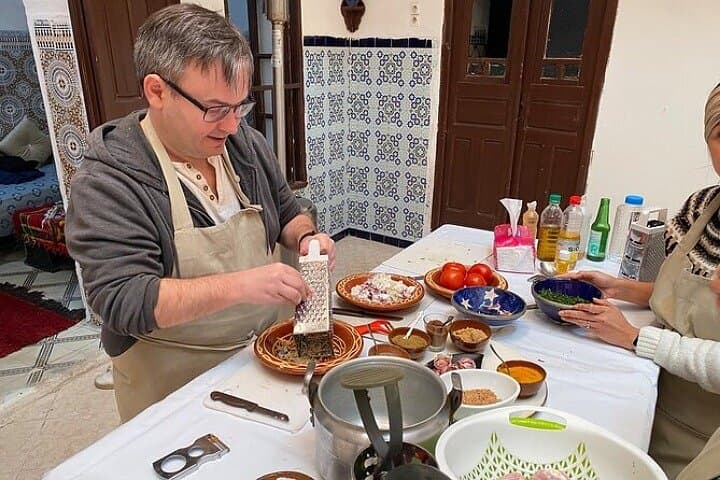
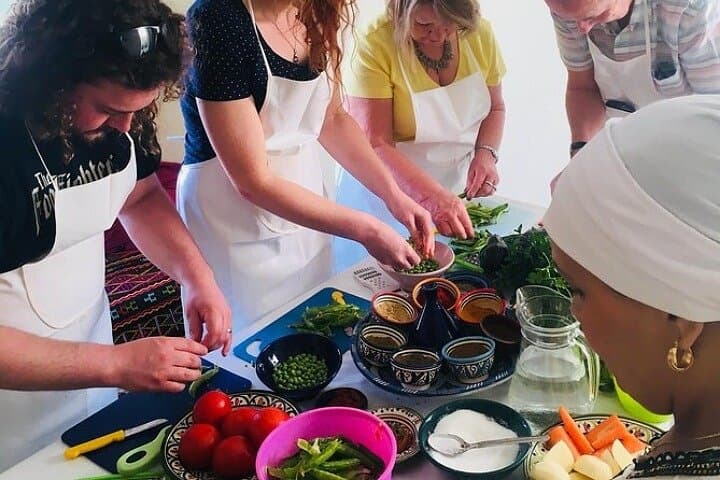
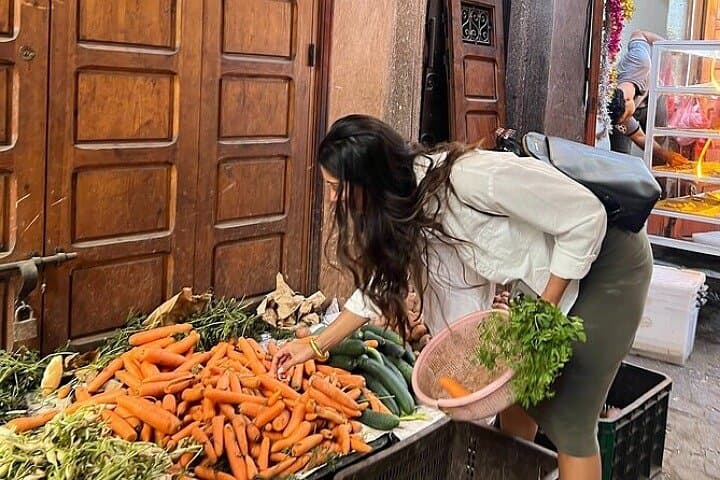
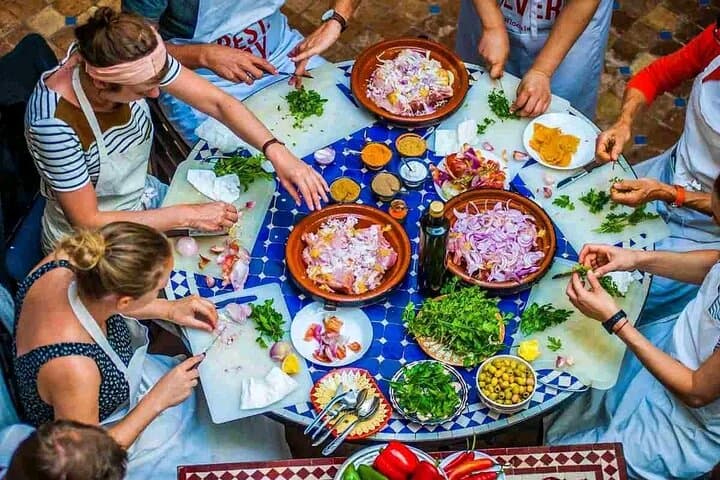
Your morning includes a guided walk to nearby waterfalls or a riverside stroll, time in a family home for a hands-on cooking lesson—preparing tagine, fresh bread and salads—and a shared meal. The cooking itself is straightforward: mortar and pestle for spice mixes, slow heat for the tagine, and patience while flavors marry. Hosts explain harvests, seasonal vegetables, and the social role of food in Berber life.
Practical notes: allow 6–8 hours for the full round-trip, bring sturdy shoes for uneven village paths, and pack sun protection; mornings are cool, afternoons warm. Photography is welcome but ask before photographing people. The experience is accessible to most travelers, offering an outdoor-adjacent cultural day that balances light walking with immersive culinary learning.
easy.
6–8 hours.
Suitable for most fitness levels; requires short walks on uneven village paths and stairways.
Expect about 1–1.5 hours each way depending on traffic and your exact pickup point; the full experience lasts roughly 6–8 hours.
Yes—guests participate in preparing tagine, bread and salads under guidance from local hosts; tasks are adjusted to comfort and ability.
Hosts can usually accommodate common dietary preferences with advance notice—indicate restrictions when booking so ingredients can be prepared accordingly.
Yes—there are short, easy walks in village lanes and often a guided walk to nearby waterfalls; wear comfortable shoes for uneven terrain.
The High Atlas is home to Amazigh (Berber) communities whose mountain agriculture and communal cooking traditions date back centuries; many villages retain ancestral techniques for bread and spice blends.
Tourism supports local economies but stick to marked paths, avoid single-use plastics, and ask before foraging or touching archaeological features to minimize impact.
View of Marrakech operates guided outdoor trips and adventures with an emphasis on safety, stewardship, and memorable experiences.
You step off the minibus into a courtyard of sun-baked stone where the scent of wood smoke and cumin rises like a welcome. A Berber family greets you with mint tea; terraces and terracotta roofs slope away toward jagged peaks that push clouds aside.
You step off the minibus into a courtyard of sun-baked stone where the scent of wood smoke and cumin rises like a welcome. A Berber family greets you with mint tea; terraces and terracotta roofs slope away toward jagged peaks that push clouds aside.
The drive from Marrakech threads olive groves and river valleys before depositing you in either the Ourika Valley or the small mountain village of Imlil. The region’s geology is young-folded atlas ranges—hard schists and volcanic intrusions—cut by rivers that have carved tight valleys and stepped terraces where villagers farm. Culturally, the High Atlas has long been shaped by Amazigh (Berber) agricultural rhythms, communal bread ovens, and spice blends passed down through households.
Your morning includes a guided walk to nearby waterfalls or a riverside stroll, time in a family home for a hands-on cooking lesson—preparing tagine, fresh bread and salads—and a shared meal. The cooking itself is straightforward: mortar and pestle for spice mixes, slow heat for the tagine, and patience while flavors marry. Hosts explain harvests, seasonal vegetables, and the social role of food in Berber life.
Practical notes: allow 6–8 hours for the full round-trip, bring sturdy shoes for uneven village paths, and pack sun protection; mornings are cool, afternoons warm. Photography is welcome but ask before photographing people. The experience is accessible to most travelers, offering an outdoor-adjacent cultural day that balances light walking with immersive culinary learning.