THE ADVENTURE COLLECTIVE® · Independent discovery and booking for outdoor travel

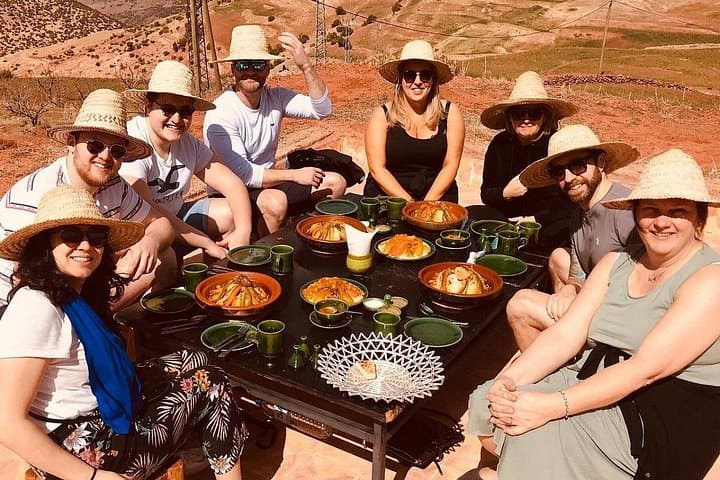
Spend a day off Marrakech’s square and into the High Atlas: camel ride in the Agafay, a guided walk in Imlil Valley, lunch with a Berber family, and a waterfall visit. This full-day trip blends easy mountain walking, local culture, and landscape views.
Spend a day off Marrakech’s square and into the High Atlas: camel ride in the Agafay, a guided walk in Imlil Valley, lunch with a Berber family, and a waterfall visit. This full-day trip blends easy mountain walking, local culture, and landscape views.
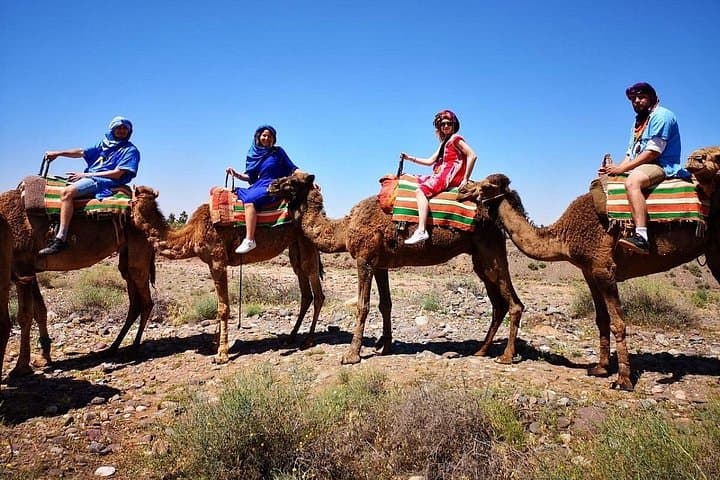
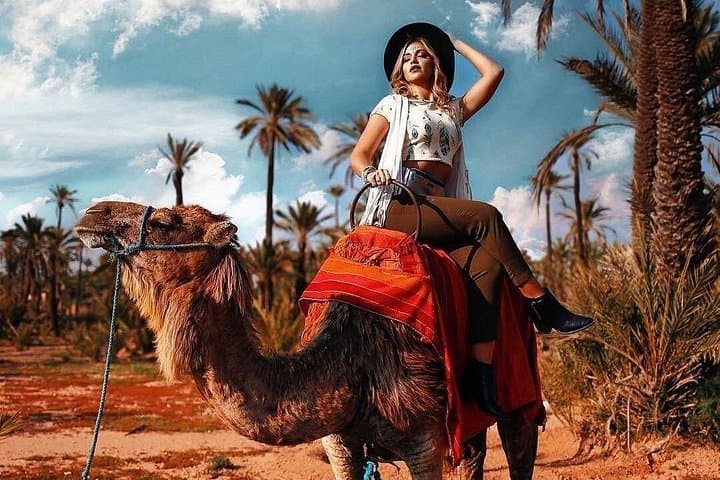
By midmorning the road out of Marrakech gives way to ochre plains and then climbs into the High Atlas; wind pushes across the pines and argan trees as the van drops you at a small sand plain for a brief camel ride where the desert remembers its dunes.
Verified experiences and guided adventures in the surrounding area.
Operated by Marrakech Outdoor Trips · Marrakech, Marrakech-Safi
By midmorning the road out of Marrakech gives way to ochre plains and then climbs into the High Atlas; wind pushes across the pines and argan trees as the van drops you at a small sand plain for a brief camel ride where the desert remembers its dunes.
The route continues toward Imlil Valley (1,740 m), a pocket of walnut trees and fast water that slices the mountain slopes. Trails here are old mule tracks and stepped terraces built by Berber families; the waterfalls further up demand attention, drawing you closer with a steady roar. You’ll move through nine villages during the day — simple stone homes, rooftop terraces, and open kitchens where tea is an invitation.
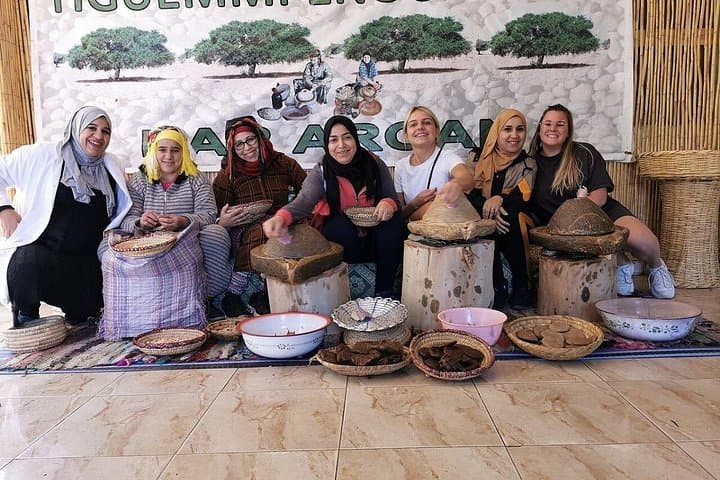
Geology is obvious: rounded volcanic and metamorphic ridges give way to scree below the higher summits, the High Atlas formed by the African and Eurasian plates colliding. Culturally, the valley remains a living place — Berber farmers, argan cooperatives run by women, and weekly souks on Saturdays and Tuesdays that still trade livestock and goods.
Practical side: this is a full 8–9 hour day with several easy-to-moderate walks on uneven ground; expect short uphill sections but nothing technical. Bring layered clothing for temperature swings, sturdy shoes, sun protection, and small cash for local purchases. The day is structured — pickup from Marrakech, guided walks, lunch in a local home, waterfall visit, and return by late afternoon — giving a compact yet measured window into Atlas life and landscape.
moderate.
8–9 hours.
Suitable for people in reasonable shape who can handle multiple short walks, some uphill sections, and uneven terrain.
Pickup typically begins around 8:30 AM from central Marrakech (Jamaa el Fna area) or your riad/hotel; confirm your exact pickup point when booking.
The camel ride occurs on a flat, rocky plain (Agafay-style area) outside Marrakech rather than in the high mountain trails.
Walks are generally short and suitable for most people, but surfaces are uneven and there are some uphill stretches; choose comfortable footwear.
Yes — Saturday and Tuesday departures include time at a local Berber market where you can observe traditional trade.
The High Atlas uplifted as the African and Eurasian plates collided; Berber communities have farmed these valleys for centuries and maintain distinct languages and customs.
Respect local water use and carry out waste; many cooperatives are women-led, promoting sustainable argan harvesting and community income.
Marrakech Outdoor Trips operates guided outdoor trips and adventures with an emphasis on safety, stewardship, and memorable experiences.
By midmorning the road out of Marrakech gives way to ochre plains and then climbs into the High Atlas; wind pushes across the pines and argan trees as the van drops you at a small sand plain for a brief camel ride where the desert remembers its dunes.
By midmorning the road out of Marrakech gives way to ochre plains and then climbs into the High Atlas; wind pushes across the pines and argan trees as the van drops you at a small sand plain for a brief camel ride where the desert remembers its dunes.
The route continues toward Imlil Valley (1,740 m), a pocket of walnut trees and fast water that slices the mountain slopes. Trails here are old mule tracks and stepped terraces built by Berber families; the waterfalls further up demand attention, drawing you closer with a steady roar. You’ll move through nine villages during the day — simple stone homes, rooftop terraces, and open kitchens where tea is an invitation.
Geology is obvious: rounded volcanic and metamorphic ridges give way to scree below the higher summits, the High Atlas formed by the African and Eurasian plates colliding. Culturally, the valley remains a living place — Berber farmers, argan cooperatives run by women, and weekly souks on Saturdays and Tuesdays that still trade livestock and goods.
Practical side: this is a full 8–9 hour day with several easy-to-moderate walks on uneven ground; expect short uphill sections but nothing technical. Bring layered clothing for temperature swings, sturdy shoes, sun protection, and small cash for local purchases. The day is structured — pickup from Marrakech, guided walks, lunch in a local home, waterfall visit, and return by late afternoon — giving a compact yet measured window into Atlas life and landscape.