THE ADVENTURE COLLECTIVE® · Independent discovery and booking for outdoor travel

Swap Marrakech’s alleys for the high plateaus of the Atlas on a full-day trip that combines short hikes, a camel ride and visits to Berber villages and waterfalls. Practical for one-day travelers, it’s a compact introduction to mountain life and landscapes.
Swap Marrakech’s alleys for the high plateaus of the Atlas on a full-day trip that combines short hikes, a camel ride and visits to Berber villages and waterfalls. Practical for one-day travelers, it’s a compact introduction to mountain life and landscapes.
Morning light breaks over Marrakech as the van peels away from the medina and the High Atlas rises into view—first low ridges, then serrated peaks. By midmorning you’re trading city heat for cracked-earth plateaus and mud-brick Berber villages; camels wait at a shaded pen, patient as history.
Verified experiences and guided adventures in the surrounding area.
Operated by Fun Day trips from Marrakech. · Marrakech, Marrakech-Safi
Morning light breaks over Marrakech as the van peels away from the medina and the High Atlas rises into view—first low ridges, then serrated peaks. By midmorning you’re trading city heat for cracked-earth plateaus and mud-brick Berber villages; camels wait at a shaded pen, patient as history.
Geology here is blunt and readable: folded volcanic and sedimentary layers pushed up by the African and Eurasian plates, cut by seasonal streams that gouge the valleys. The people you meet carry that landscape in their architecture and rhythms—stone terraces, flat-roofed houses, and a culture shaped by shepherding and small-scale agriculture. Expect stops in Imlil, Asni and the Amizmiz corridor, with a visit to a Berber house over mint tea and a market (souk) if it aligns with the weekly day.
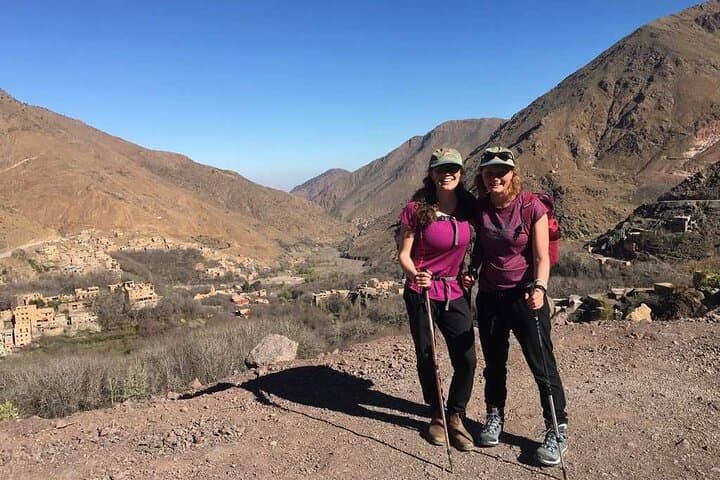
The trip mixes easy walking—short hikes to waterfalls in Imlil—with a short camel ride across a plateau; the terrain alternates between stony mule tracks and dirt roads. Local guides translate history and practicalities: seasonal water, irrigation terraces, and the role of argan cooperatives.
Practical notes: start early, bring layered clothing (temperatures swing), sun protection, and at least one liter of water for active periods. Footwear should be sturdy; camel saddles are stable but not technical. Plan for an 8-hour day with door-to-door transport from Marrakech, a local lunch (tajine or couscous), and opportunities to buy handcrafted argan products. The route is accessible to most travelers in reasonable health, and it’s an efficient way to see mountain life, short hikes, and traditional hospitality in a single day.
easy.
8 hours.
Suitable for travelers in average physical condition—short walks and low-grade trails with occasional steps; not recommended for those with serious back or heart conditions.
Camel rides are short—typically 20–40 minutes—designed for photos and the plateau experience, not long treks.
Yes; the tour is family-friendly but children should be able to sit securely on camels and handle short walks over uneven ground.
A cooked local lunch (tajine or couscous, salad, bread, fruit) and drinks such as mint tea, orange juice and bottled water are included.
Yes—there are stops at basic facilities in towns and at viewpoints; expect rustic conditions in villages and natural breaks on trail sections.
The High Atlas has long been home to Amazigh (Berber) communities who adapted terrace agriculture and shepherding to steep slopes; many villages retain traditional building techniques.
Stick to established paths, avoid feeding wildlife, and support local cooperatives that reinvest tourism income—these practices help reduce erosion and sustain livelihoods.
Fun Day trips from Marrakech. operates guided outdoor trips and adventures with an emphasis on safety, stewardship, and memorable experiences.
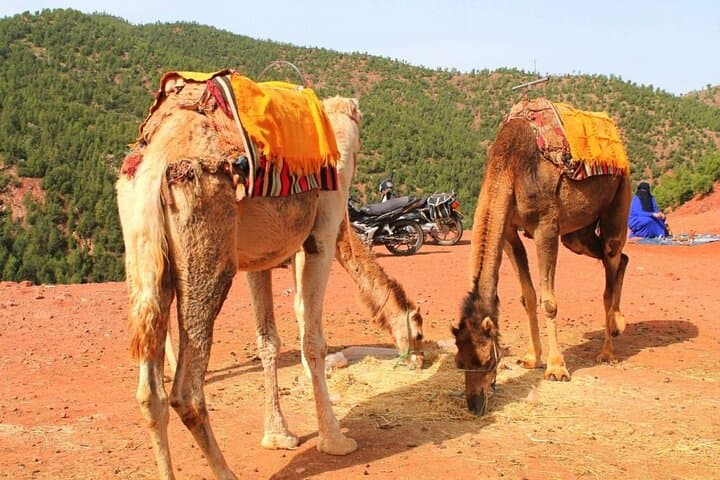


Morning light breaks over Marrakech as the van peels away from the medina and the High Atlas rises into view—first low ridges, then serrated peaks. By midmorning you’re trading city heat for cracked-earth plateaus and mud-brick Berber villages; camels wait at a shaded pen, patient as history.
Morning light breaks over Marrakech as the van peels away from the medina and the High Atlas rises into view—first low ridges, then serrated peaks. By midmorning you’re trading city heat for cracked-earth plateaus and mud-brick Berber villages; camels wait at a shaded pen, patient as history.
Geology here is blunt and readable: folded volcanic and sedimentary layers pushed up by the African and Eurasian plates, cut by seasonal streams that gouge the valleys. The people you meet carry that landscape in their architecture and rhythms—stone terraces, flat-roofed houses, and a culture shaped by shepherding and small-scale agriculture. Expect stops in Imlil, Asni and the Amizmiz corridor, with a visit to a Berber house over mint tea and a market (souk) if it aligns with the weekly day.
The trip mixes easy walking—short hikes to waterfalls in Imlil—with a short camel ride across a plateau; the terrain alternates between stony mule tracks and dirt roads. Local guides translate history and practicalities: seasonal water, irrigation terraces, and the role of argan cooperatives.
Practical notes: start early, bring layered clothing (temperatures swing), sun protection, and at least one liter of water for active periods. Footwear should be sturdy; camel saddles are stable but not technical. Plan for an 8-hour day with door-to-door transport from Marrakech, a local lunch (tajine or couscous), and opportunities to buy handcrafted argan products. The route is accessible to most travelers in reasonable health, and it’s an efficient way to see mountain life, short hikes, and traditional hospitality in a single day.